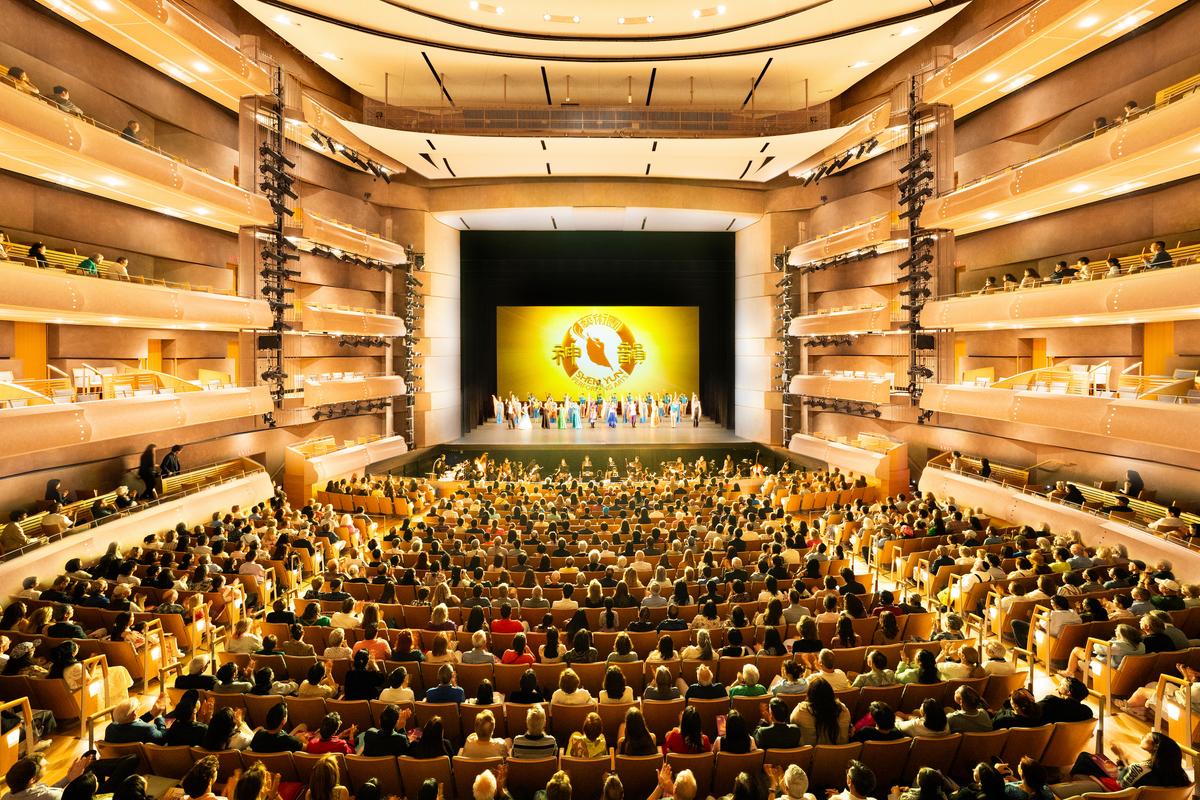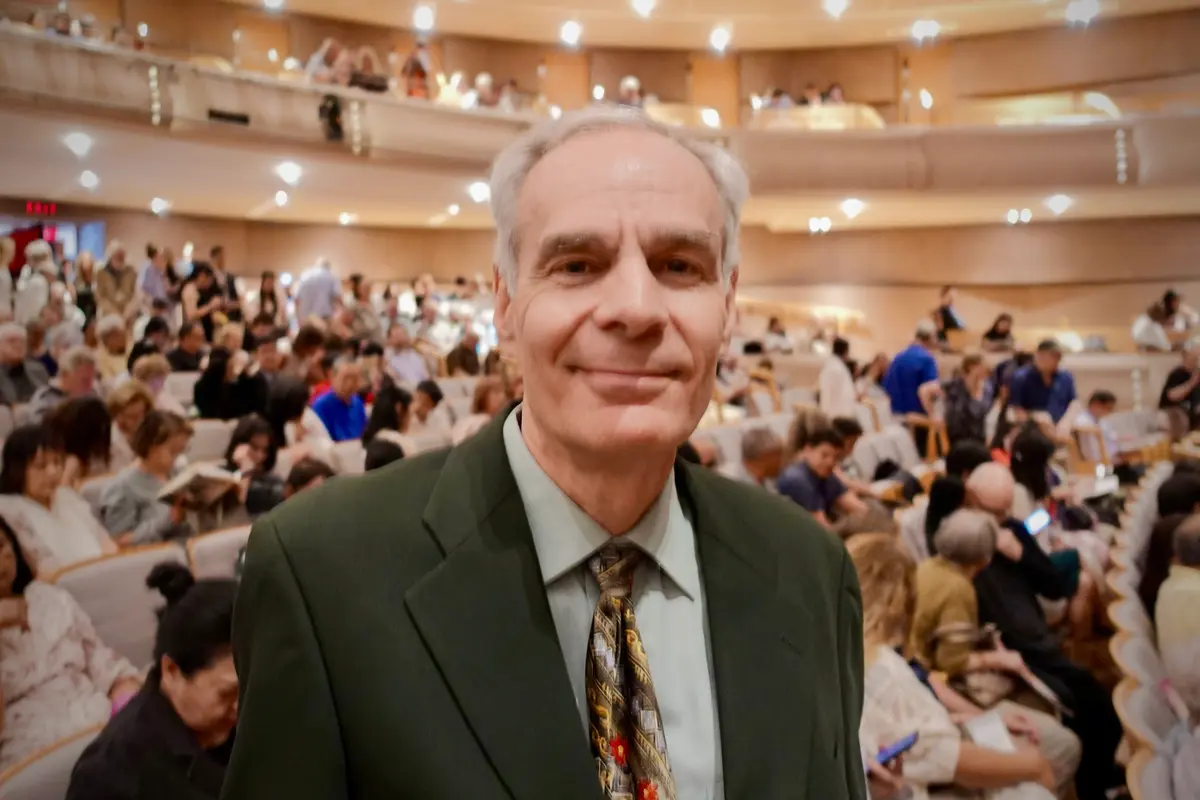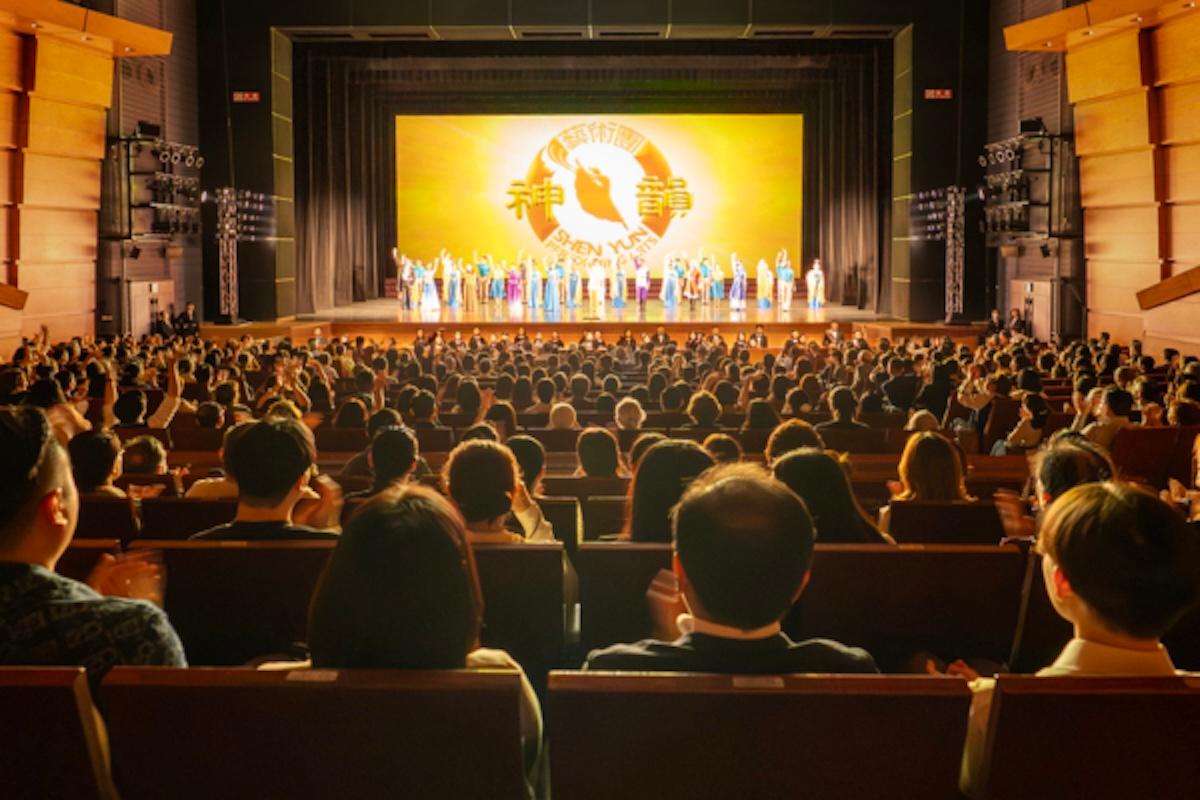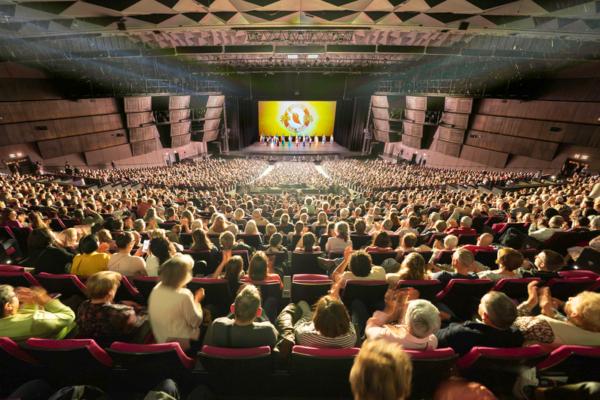

TOKYO, Japan—On the afternoon of April 4, Shen Yun New Era Company presented its fourth performance in Tokyo at the Shinjuku Bunka Center. The performance drew a full house, with all seats occupied.
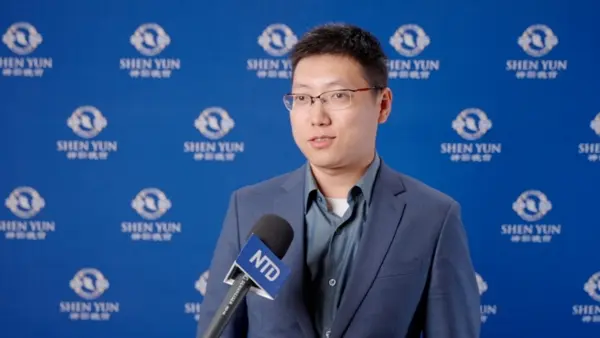
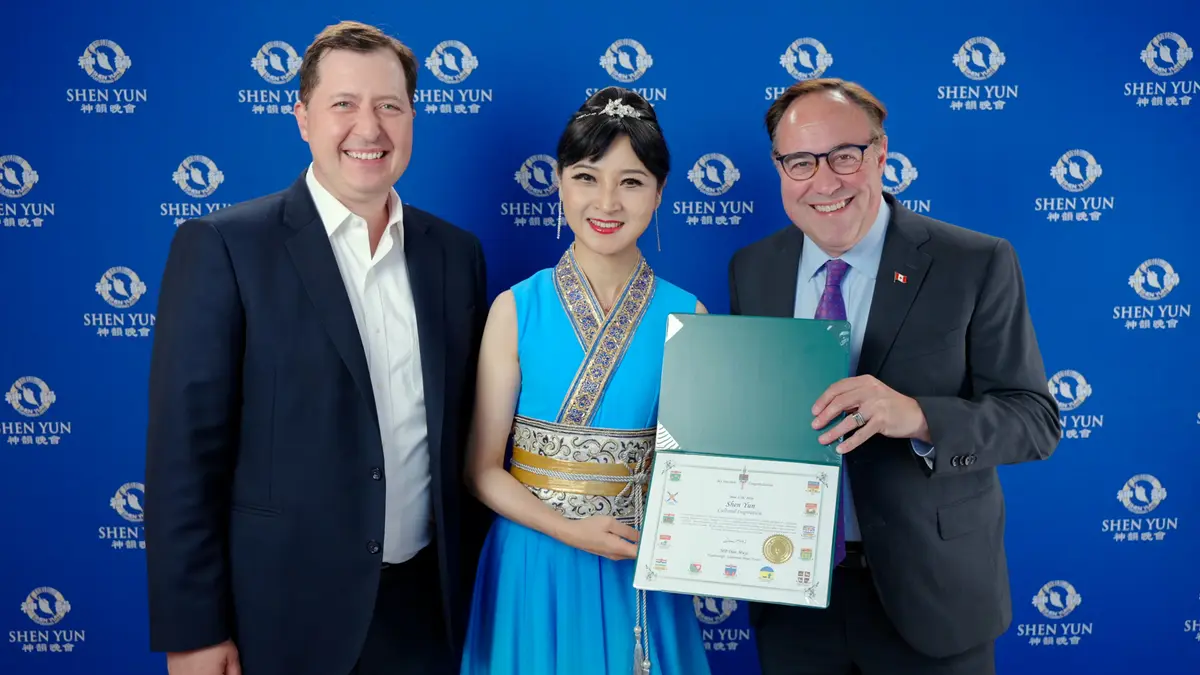
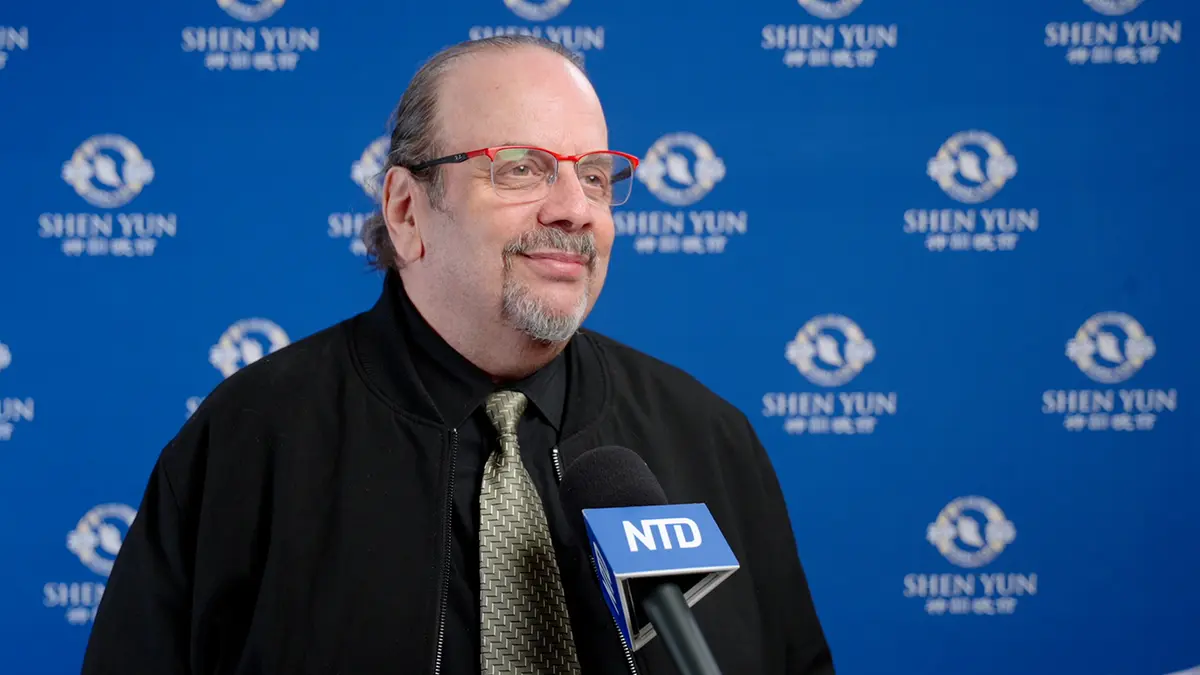
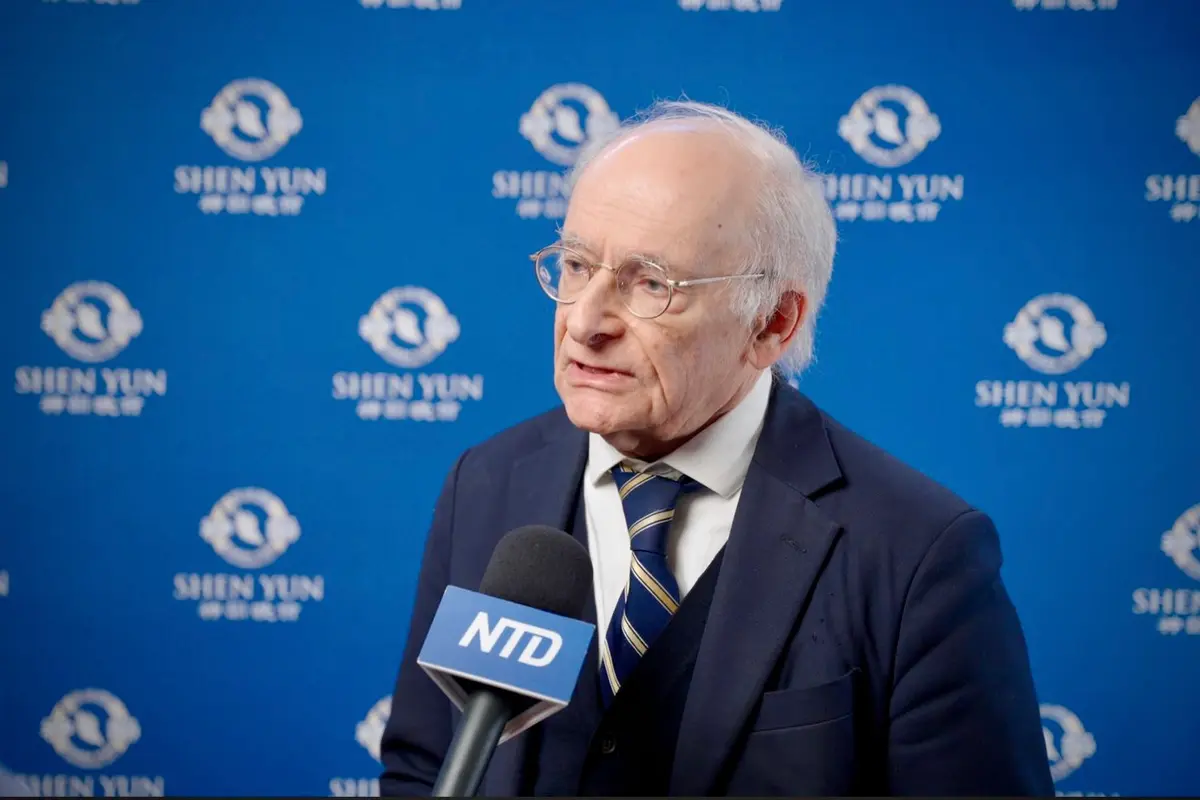
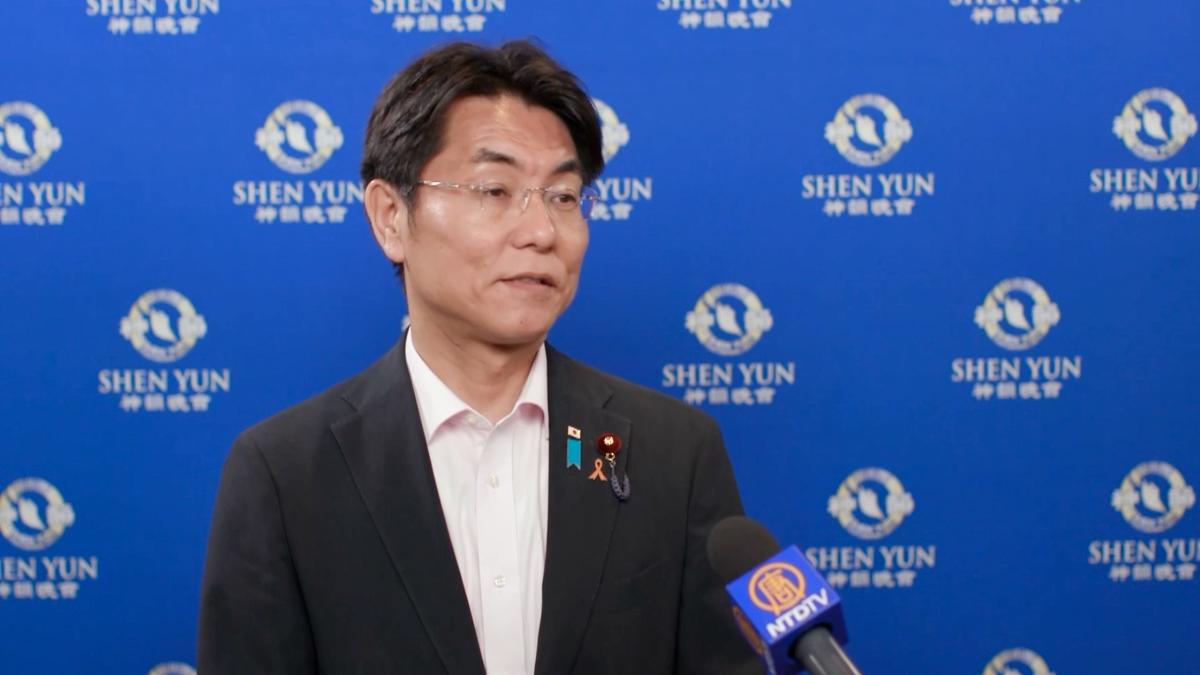
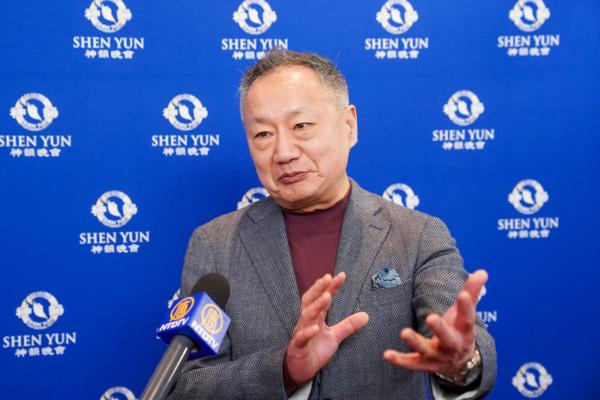
After attending Shen Yun for the first time, Hiroshi Yamada, a member of Japan’s House of Councilors, or Upper House, spoke in high praise of the company’s artistry and evocative portrayal of China’s long and storied history.
“The performance was very beautiful and well-organized, and the music conveyed a sense of long history,” he said. “It was very impressive.”
Mr. Yamada further observed that the program’s diverse array of dance styles conveyed a vivid sense of historical depth. “For example, the dances from the Qing dynasty, as well as the civil and martial styles, all conveyed a sense of history. I found them very interesting,” he said.
“That was also very well done. It was my first time seeing a moving background like that integrated with the stage, and I thought it was excellent,” he said.
Mr. Yamada emphasized the importance of traditional culture and lamented the loss of tradition in modern-day China. “Japan has a long history, and many of its traditions are still preserved today. China also has a long and continuous culture, but much of it has been lost under the current Chinese Communist Party (CCP). It’s very regrettable,” he said.
He added that communist movements, which reject the past, are not beneficial to history or humanity, and expressed hope that China’s long-standing culture can be revived.
The performance also aims to raise awareness of the Chinese communist regime’s ongoing persecution of Falun Gong, a spiritual discipline whose followers strive to live by the principles of truthfulness, compassion, and forbearance.
However, in China, Falun Gong’s teachings are banned, and its practitioners suffer persecution by the regime. Mr. Yamada said of one piece depicting the stealing of a Falun Gong practitioner’s corneas by communist officials, “There were scenes [in the performance] showing acts against humanity, and such issues should be addressed and stopped as soon as possible.” He also noted that, as a lawmaker, he has raised related human rights concerns in Japan’s Parliament.
Mr. Yamaha believes this intimidation campaign stems from Shen Yun’s mission to revive China’s traditional culture. “The current system does not stem from historical continuity, and in fact does not value—or even denies—the past. If people come to recognize this, its legitimacy may be questioned. For this reason, it is natural that the authorities would take a negative stance toward such efforts.”
He concluded by emphasizing that art conveys deeper meaning beyond beauty. “It is not only about beauty—it also raises questions about important values that human beings should rediscover, and presents these questions to people around the world,” he said.