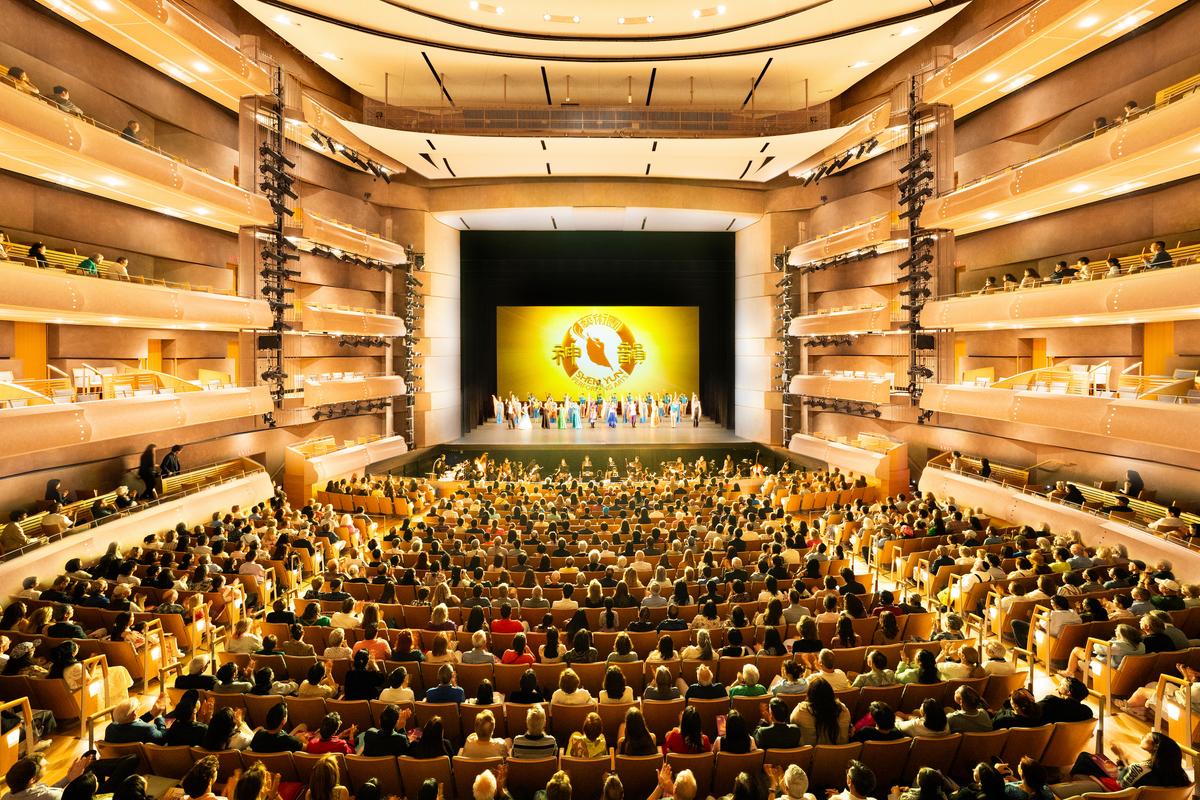
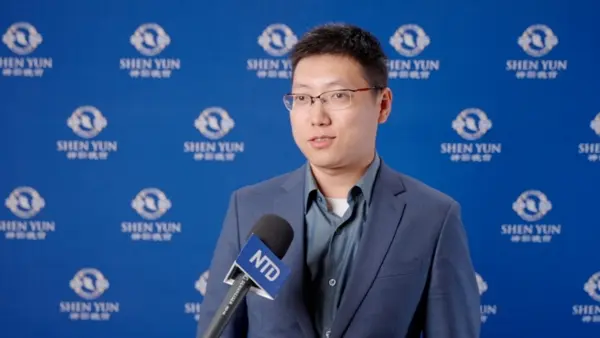
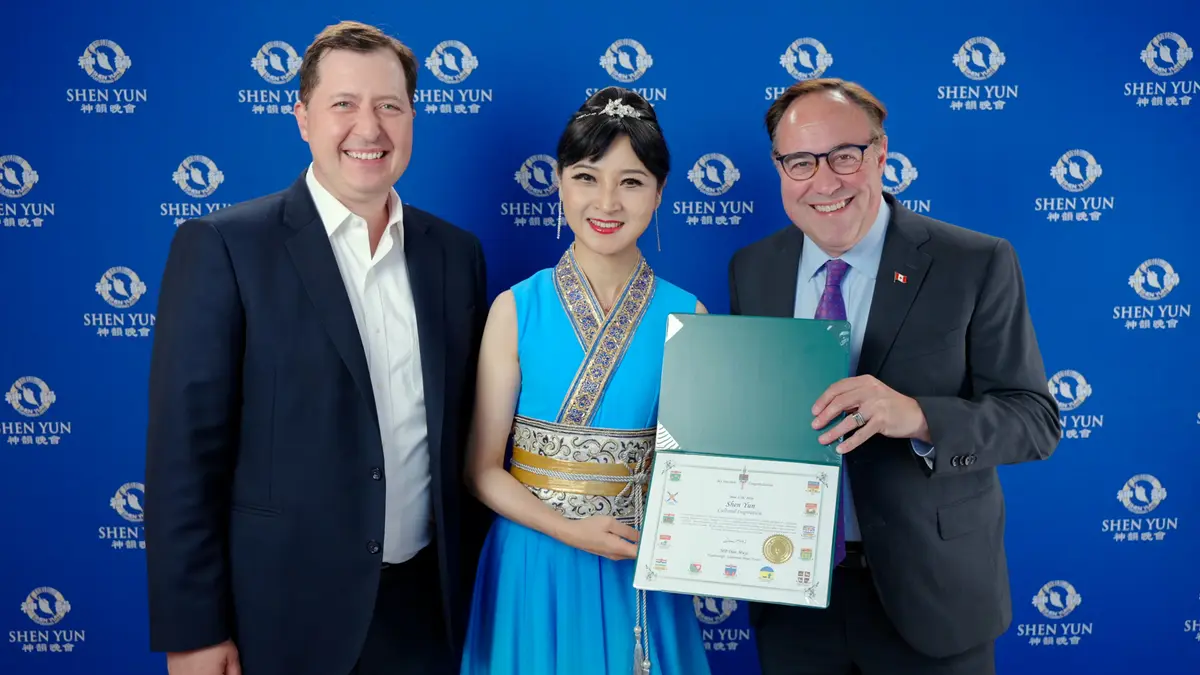
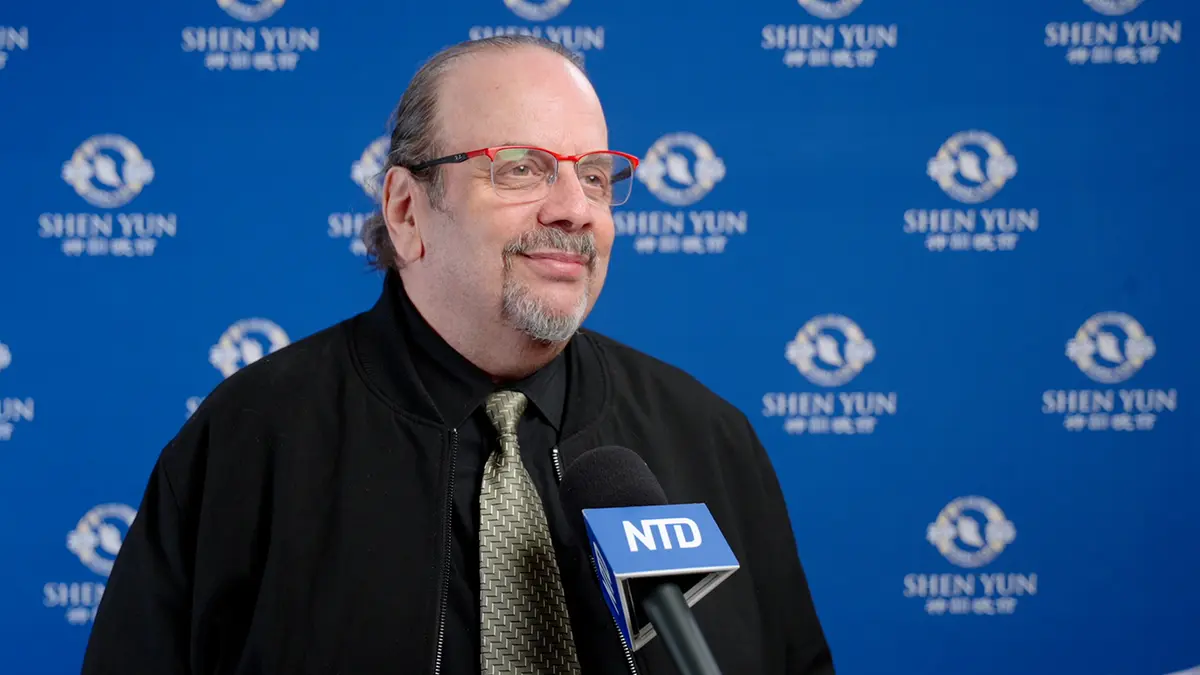
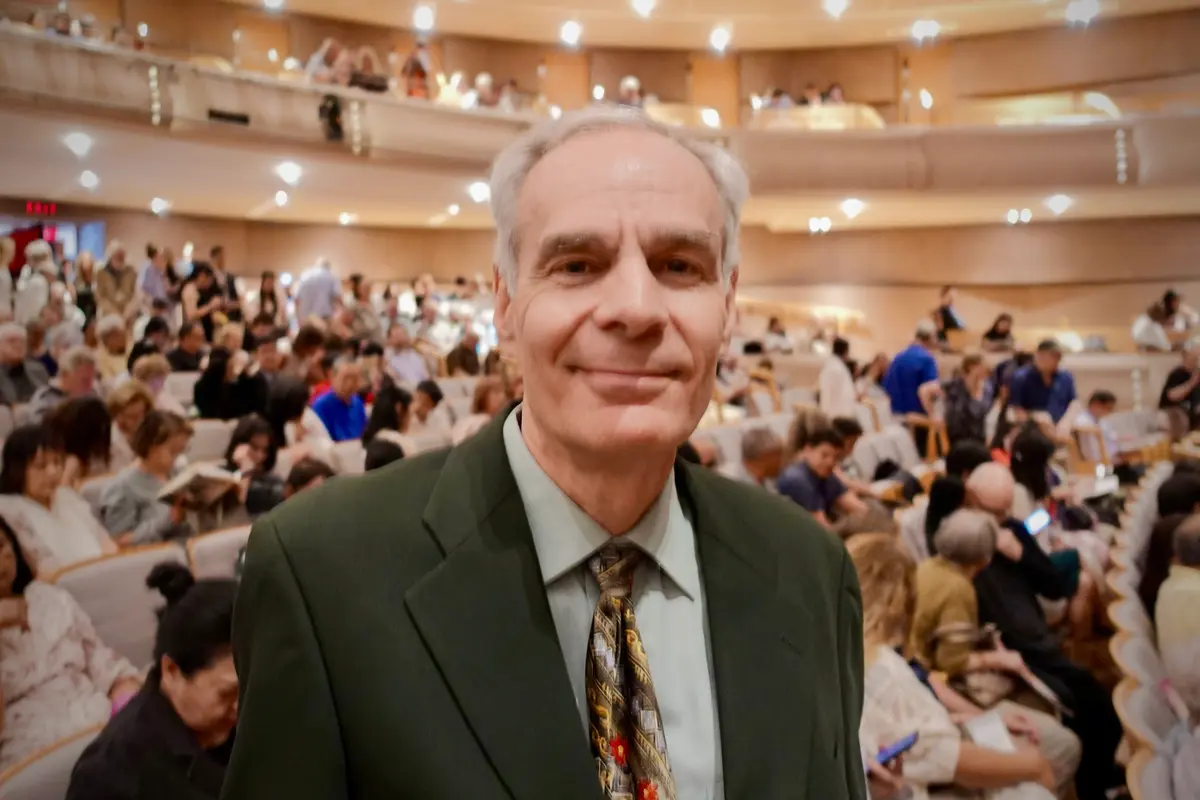
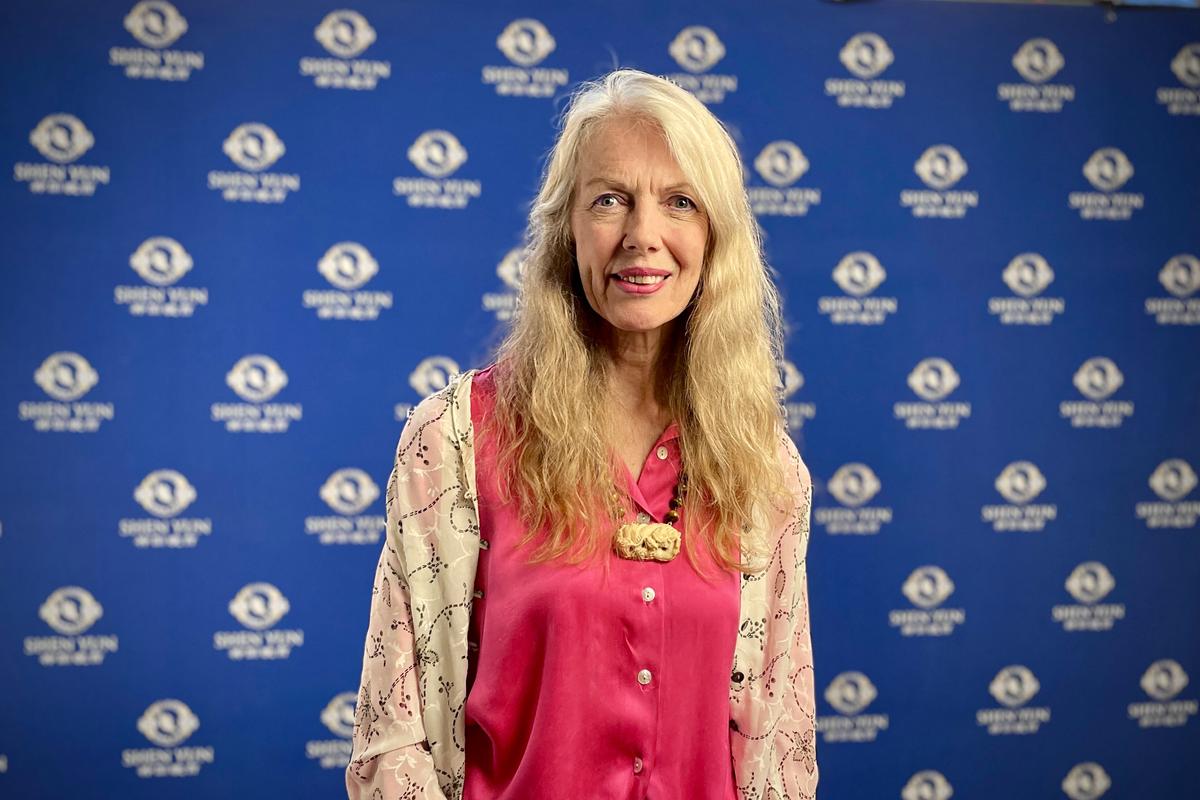
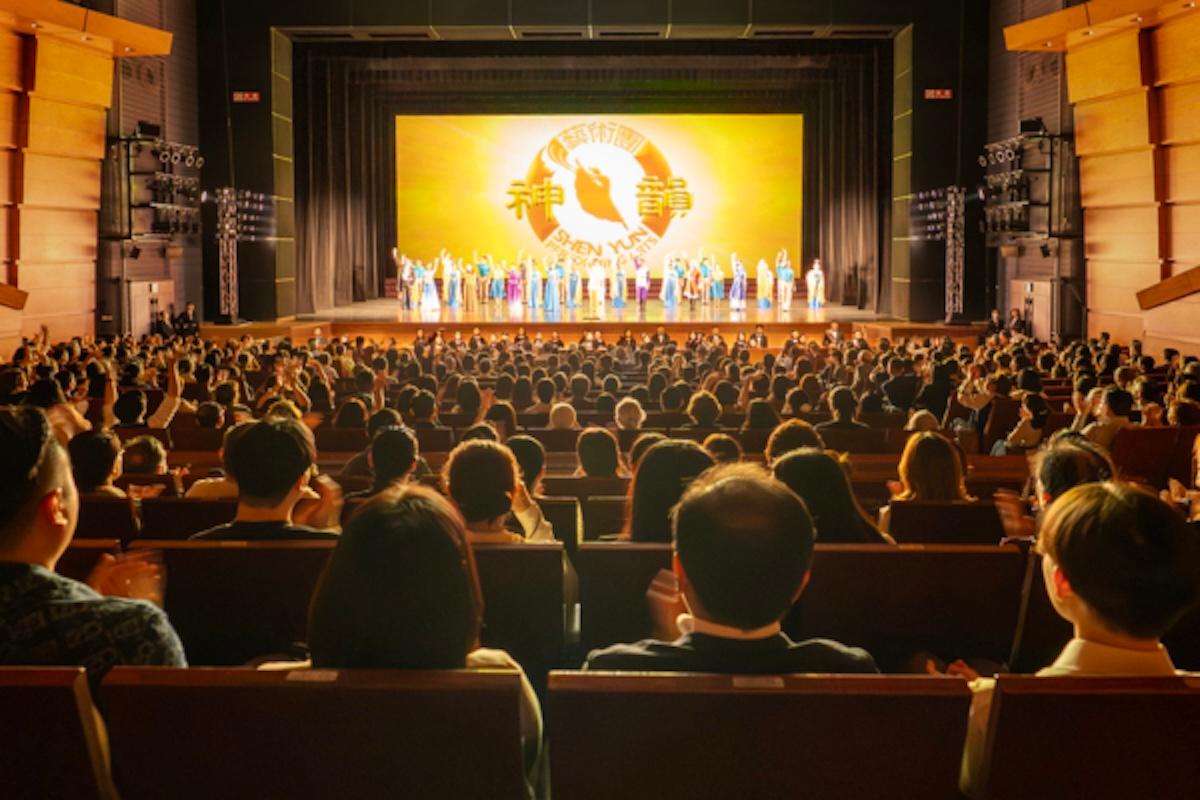
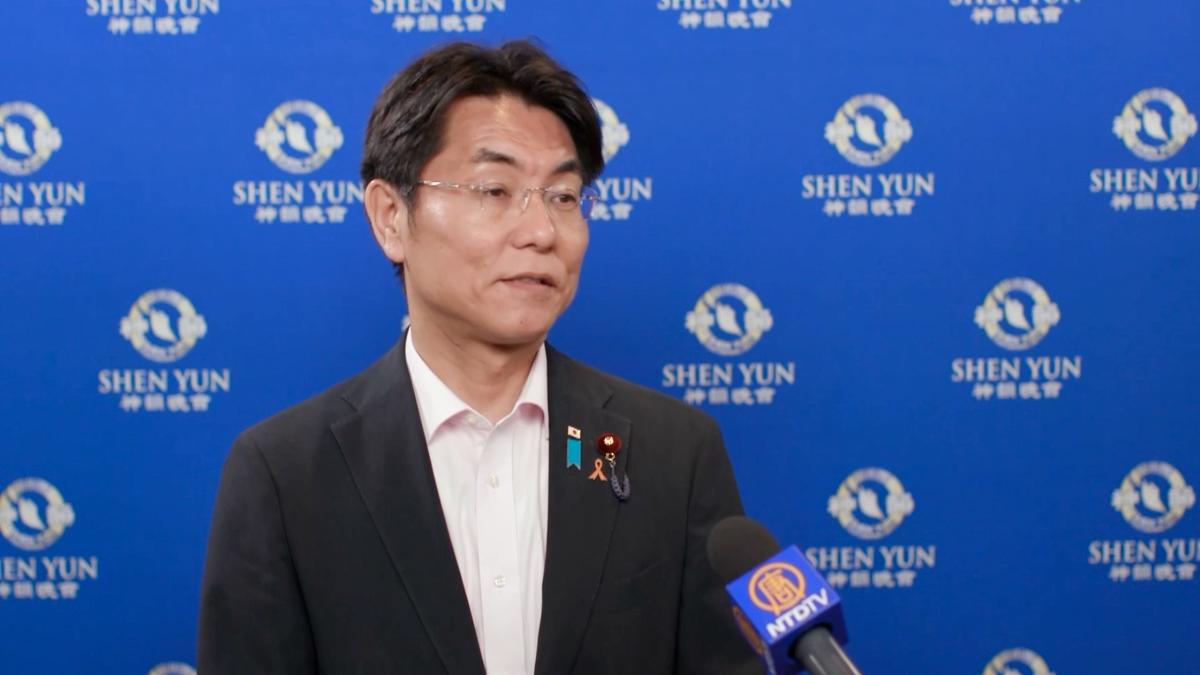
CHICAGO—Scott Daughdrill and Joe Kozma enjoyed Shen Yun Performing Arts at the Civic Opera House on May 2.
Traditional Chinese culture is deeply embedded in spirituality and inspired by the heavens. Mr. Kozma resonated with that message. “I do,” he said. “It’s a little bit different; it’s very different from Christianity, but it all goes back to a divine creator and nature, and that’s interesting.
“I think it ties us all together that way. I did appreciate the fact that they talked about how atheism and evolution were from the devil because I think we were losing that in our overall culture today. So it was kind of nice to see that embedded,” Mr. Kozma said.
Many audience members have said that Shen Yun is awakening people by understanding history. Mr. Kozma agreed. “Definitely. As they say, without knowing your history, you can’t find your path ahead, because history does repeat itself. You can gain so much knowledge and foundation from history and build upon that,” he said.
The opening scene shows the Creator coming to earth, followed by heavenly beings to save mankind. Mr. Kozma said it “was just very inspiring.”
A dance piece set in modern times, “The Steadfast Heart,” tells the story of a mother and son who practice Falun Dafa (or Falun Gong) and are persecuted by the communist regime. According to the Shen Yun program, “Falun Dafa practitioners could once be found in parks across China. But in 1999, the communist regime, fearing the practice’s popularity, launched a brutal campaign to wipe it out.”
Mr. Kozma said it was truthful. “I think it’s reality, and it’s what we face. We need to understand how we got here and what happened, so I’m fine with it because it’s a truth.”
He spoke of his travels to China and how the Chinese people still retain some of their culture despite the suppression by the communist regime.
“I’ve traveled to China before, and you still see little remnants of that, even with communism, especially with the older people—the way they interact and the customs and all that. It might be whitewashed a little with communism, but you know deeper that there was a culture and maybe when they’re at home, they still have that culture behind the closed doors [as they live with] the fear of being persecuted,” he said.
Mr. Daughdrill said, “Keep traveling the world.”