MEXICO CITY, Mexico—In many parts of the world, people are taught to look at China through rose-colored glasses, even though the communist nation fails to deliver basic human rights—such as freedom of belief and expression—to its people.
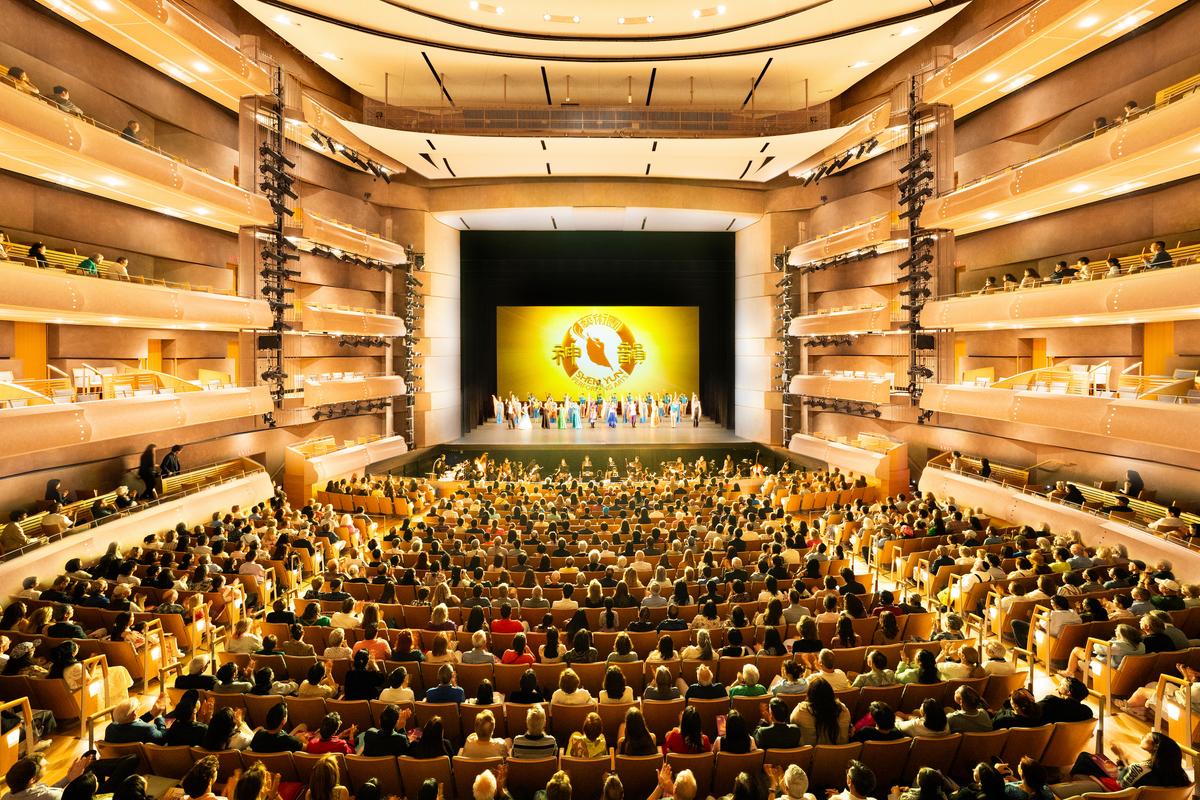
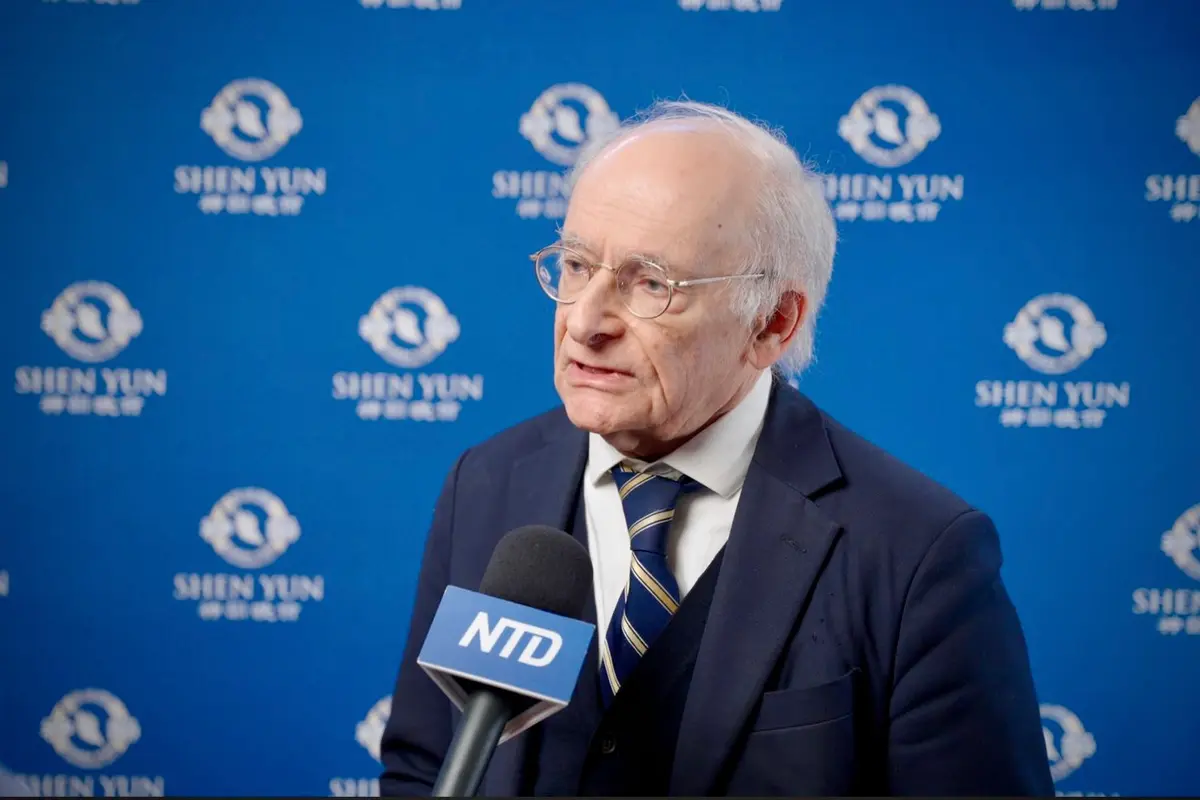
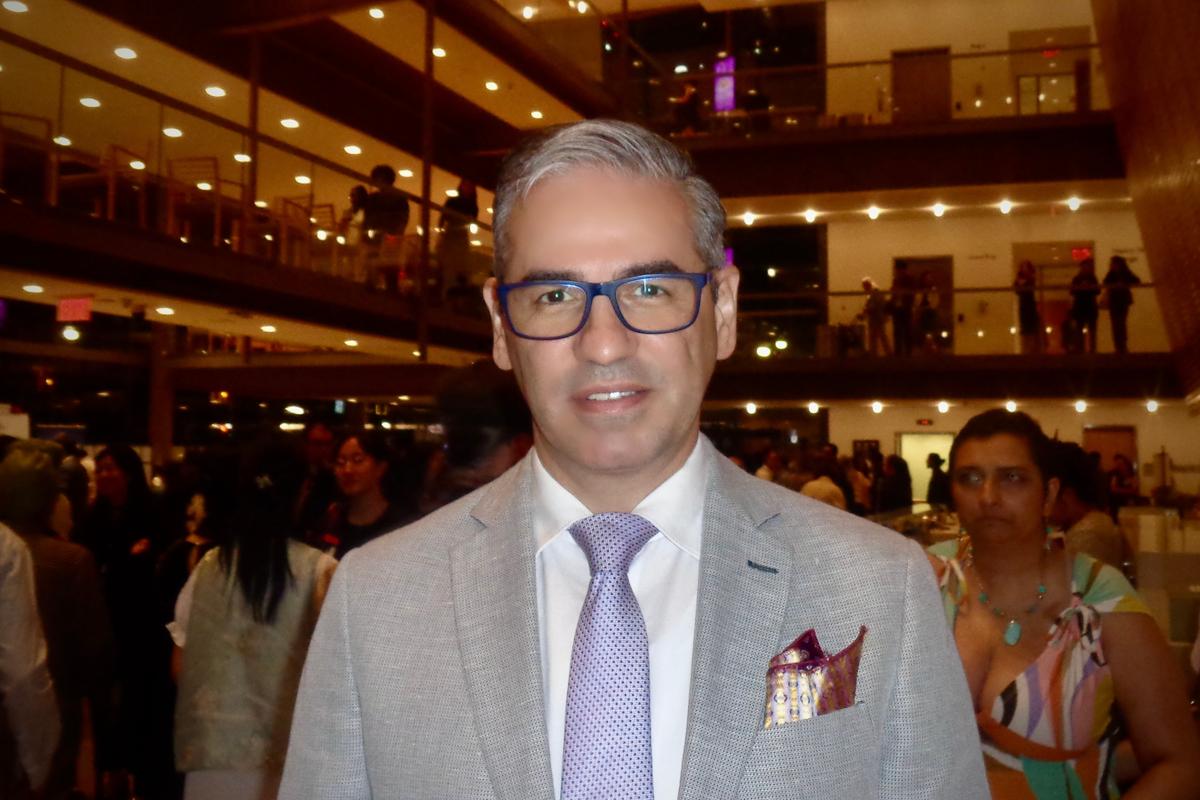
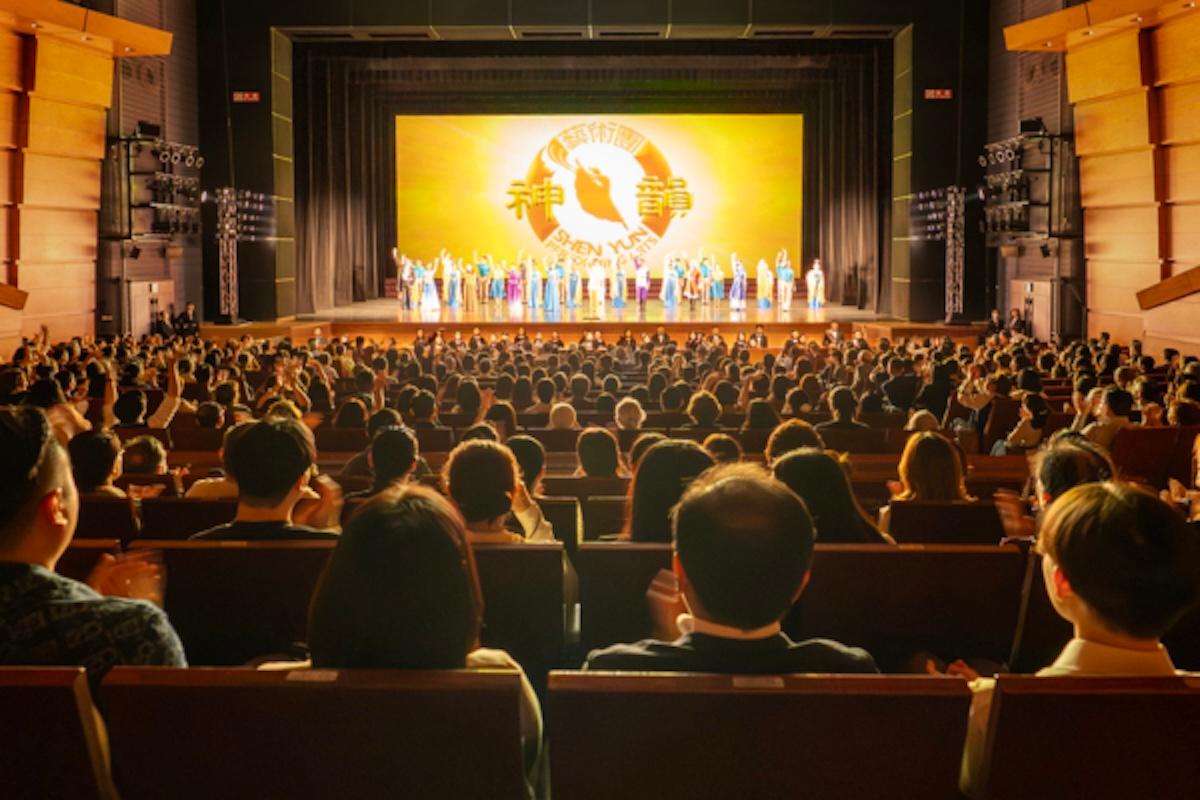
That changed for Eric Adrián Tejada Malpica, a professor at Universidad Nacional Autónoma de México in Mexico City, on May 3 when he watched a performance by the New York-based dance company Shen Yun Performing Arts. For over two hours, dozens of dancers wearing ancient costumes wove together a program billed as “China before communism.”
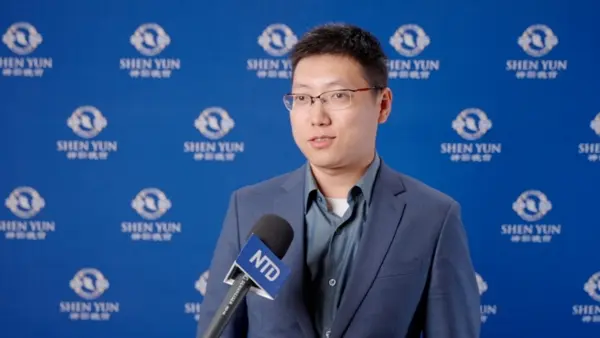
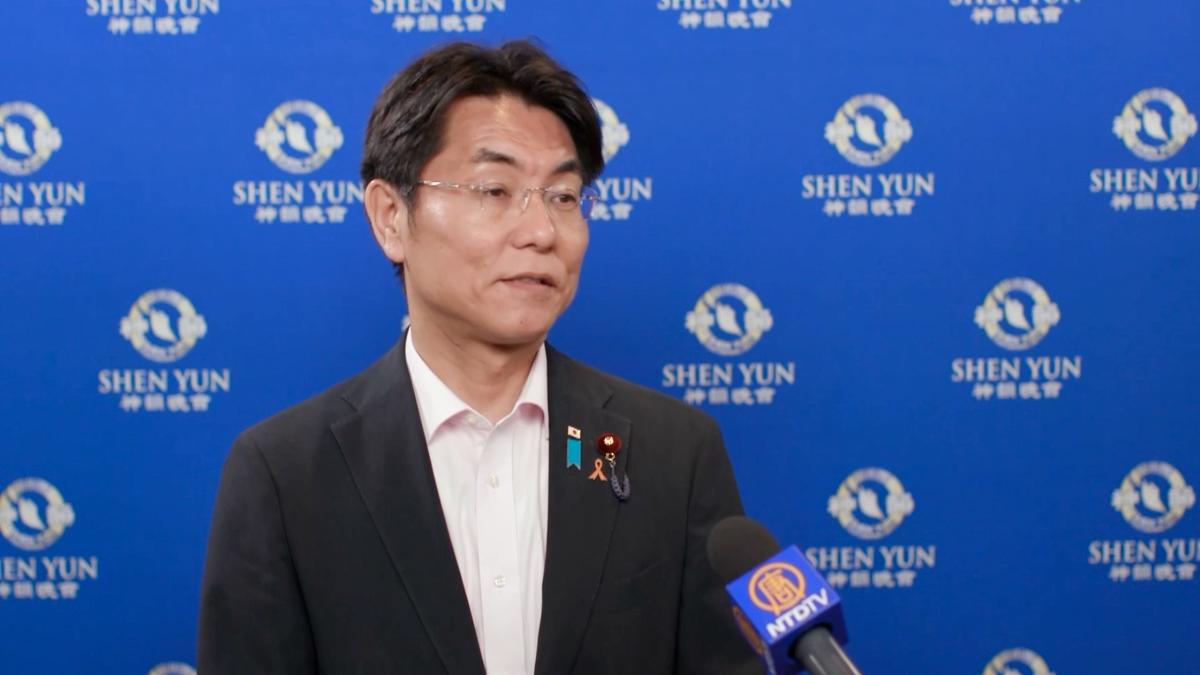
“There is repression in China—even though you don’t notice it here in Mexico,“ Tejada told The Epoch Times after a performance at the Auditorio Nacional. ”It may seem like a nice society, but as [Shen Yun’s dancers] express it, maybe changes are necessary.”
Celebrating its 20th anniversary this year, Shen Yun was established in upstate New York after numerous Chinese expats fled religious persecution in their homeland and found freedom in America. Once abroad, their aim shifted to the arts to tell the world the truth about communism and revive a culture that was “almost lost” during the repressive Cultural Revolution.
China’s three major religions—Buddhism, Taoism, and Confucianism—were denounced under the rule of the Chinese Communist Party (CCP) while old values that had sustained the culture for millennia were labeled “superstition.”
Shen Yun breathes new life into spirituality and tradition by bringing them to modern audiences, who still find the stories relevant today.
The tale of creation carries the audience into the heavens using an animated backdrop projected on a screen. Vibrant costumes seem to light up the theater as dancers perform the ancient art of classical Chinese dance. All the characters demonstrate values—such as kindness and people helping each other—and a connection to the divine.
“I’ve always seen China as having that mystical, or let’s say religious, aspect. I really enjoyed seeing it,” Tejada said. “I saw it as a beautiful form of expression.”
He also learned that the CCP’s repression against spirituality is still going on today. Two dance segments are set in modern China and depict the government’s crackdown against the spiritual practice known as Falun Gong, a system of Buddhist qigong that was practiced by several million Chinese before 1999, when the government saw them as a threat to its power and began targeting Falun Gong believers. Many of Shen Yun’s artists themselves follow Falun Gong.
“The part where they somehow express opposition to [persecution] really caught my attention,” Tejada said. “Well, I definitely liked that.”