The main cause of varicose veins is prolonged standing and sitting. Dysfunction of the vein valves leads to poor blood return, causing blood to accumulate in the veins and increase venous pressure, causing the veins to dilate and deform.
3 Degrees of Varicose Veins
Varicose veins are generally categorized into three degrees:1. Mild—Slightly visible veins on the calves, accompanied by mild swelling. This condition can be improved through lifestyle adjustments and increased physical activity.

2. Moderate—Swollen calves, soreness, tightness, numbness, and pain, along with worm-like bulging of the veins and skin discoloration. The skin may itch after a hot shower, and cramps may occur during sleep. At this stage, seeing a doctor is recommended.
Prevention and Treatment
Regardless of the degree of varicose veins, improving blood circulation and reducing vein pressure are key factors in prevention and treatment. In addressing varicose veins, TCM typically employs the following methods:1. Tiptoeing
Exercise, overall, is a good way to improve varicose veins. In addition, the specific practice of tiptoeing or calf raises can strengthen the contraction and elasticity of the calf muscles, speed up blood circulation in the veins, and help to resist the gravitational pull of the blood.2. Acupressure Treatment
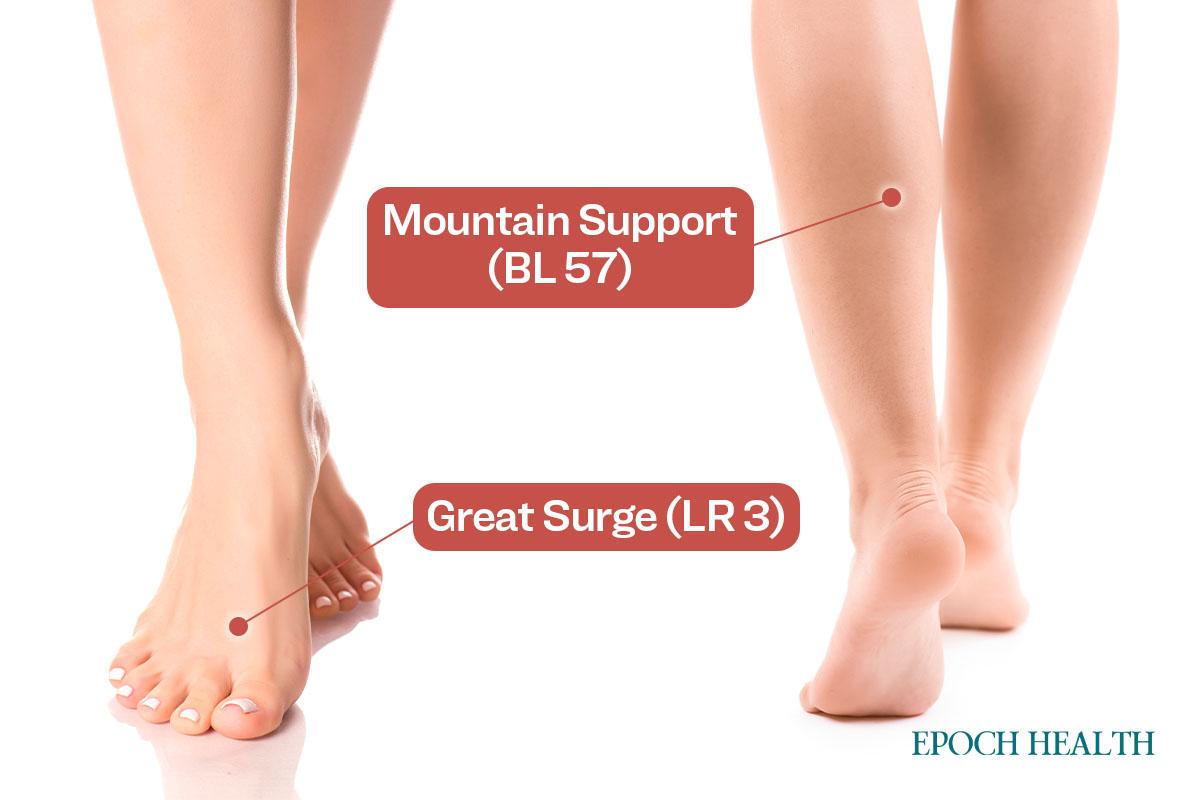
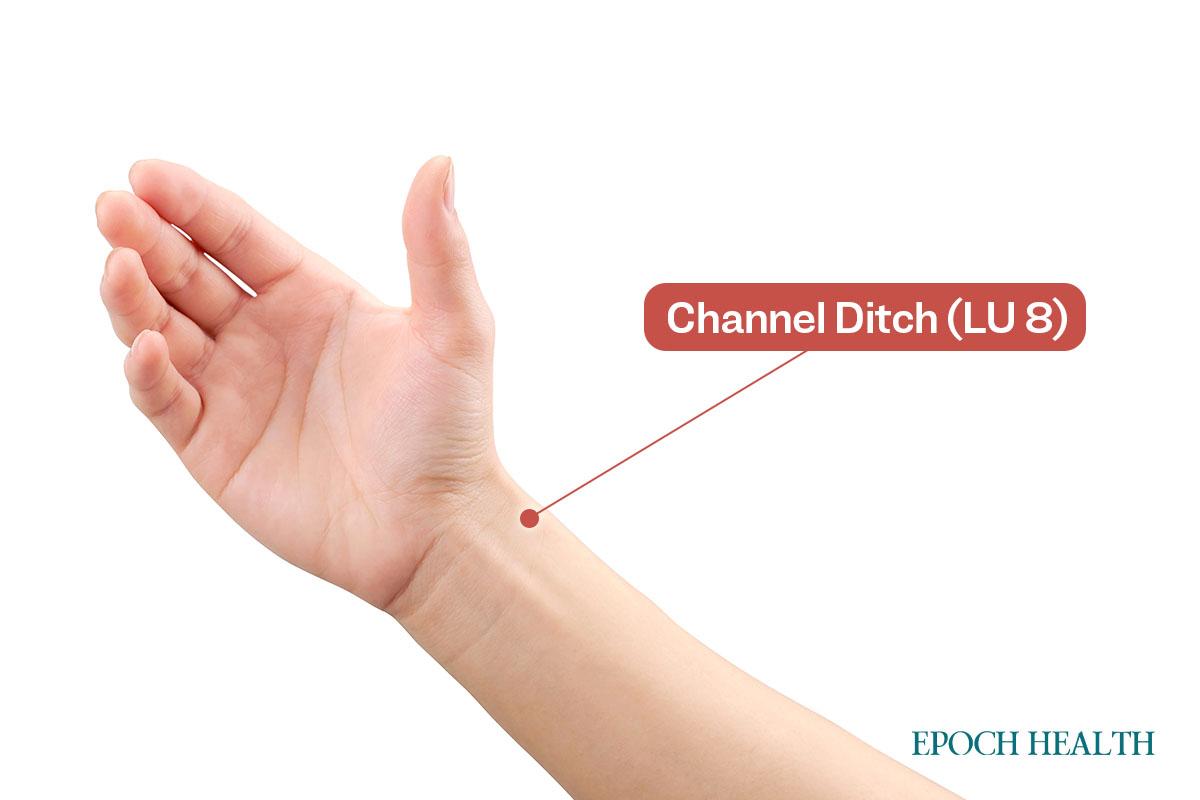
Acupressure is a unique concept in TCM, involving specific locations where nerves and blood vessels are abundant. TCM observes that acupressure points are distributed along channels on the body’s surface. These points are where energy and blood gather, circulate, and exit, acting as energy-gathering points in the body. Acupressure can treat various ailments by stimulating specific channel points through massage, tapping, or acupuncture.TCM uses eight acupressure points to improve and treat varicose veins: Great Surge (LR 3), Mountain Support (BL 57), Moving Between (LR 2), Great Metropolis (SP 2), Channel Ditch (LU 8), Recover Flow (KI 7), Shang Hill (SP 5), and Supreme White (SP 3).
Different points have different functions and should be selected based on individual circumstances and TCM diagnosis. Care should also be taken regarding the pressure and duration of acupressure, ensuring it is not excessive or prolonged.
For instance, massaging the Great Surge point can improve lower limb blood circulation and benefit gynecological conditions such as dysmenorrhea. Pressing the Mountain Support point can improve lower limb blood circulation and relieve cramps, constipation, and hemorrhoids. Simultaneously massaging both the Great Surge point and Mountain Support points can enhance the treatment of varicose veins.
In addition, acupressure on the Moving Between (LR 2), Great Metropolis (SP 2), and Channel Ditch (LU 8) have proven beneficial. Moving Between (LR 2) and Great Metropolis (SP 2) are located on the Spleen Meridian and Channel Ditch (LU 8) is on the lung meridian. Stimulating acupressure points on the liver, spleen, and lung meridians can all relieve varicose veins.
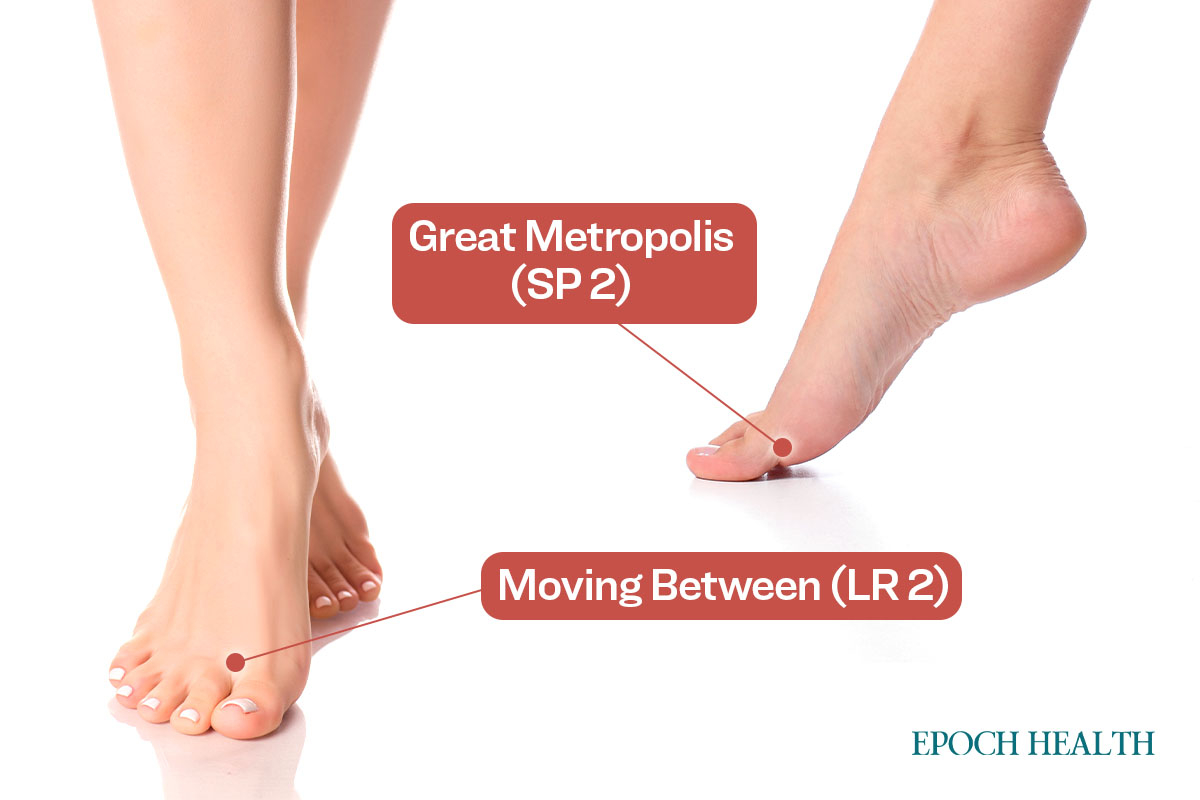
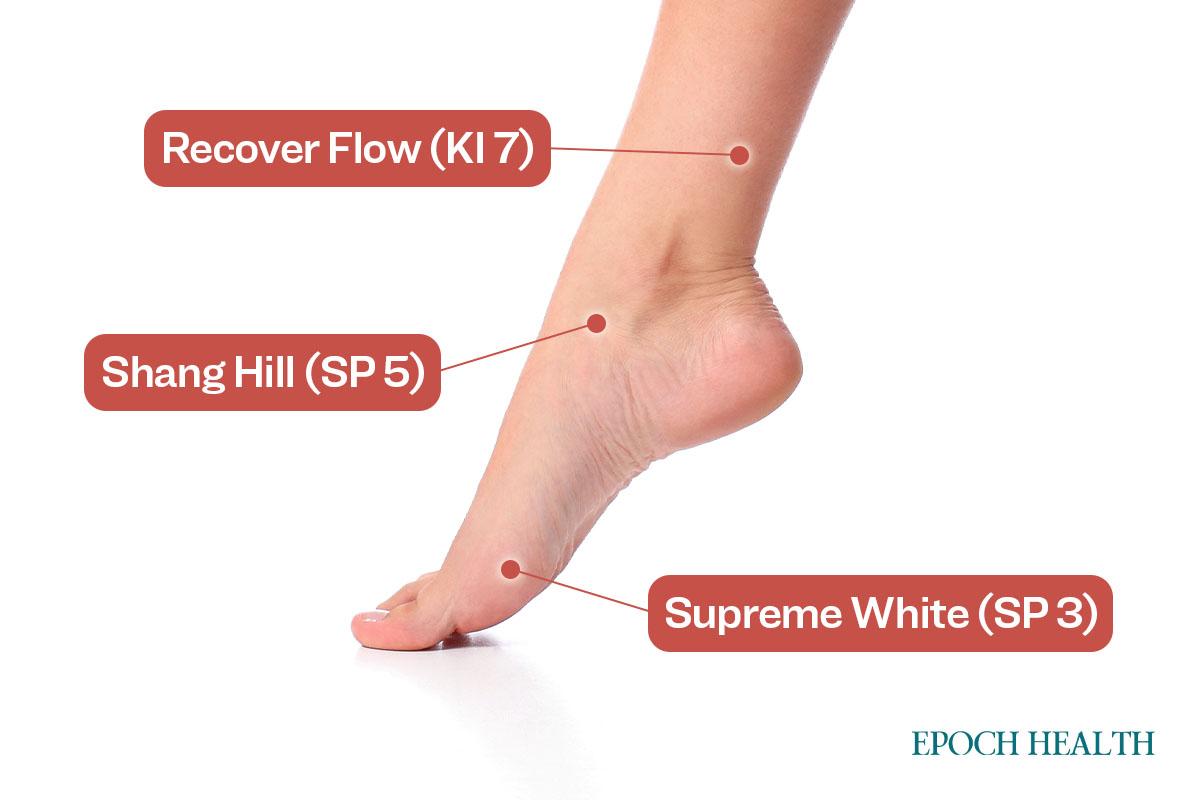
There is also a deeper type of varicose vein that can cause shiny swelling in the calves. TCM considers this a problem of kidney deficiency and spleen weakness. In such cases, acupressure on the Recover Flow (KI 7), Shang Hill (SP 5), and Supreme White (SP 3), which correspond to the kidney and spleen meridians, can be highly effective.
3. Blood-Letting Therapy
Another unique method is blood-letting therapy, which involves puncturing the skin to allow stagnant blood in the veins to flow out, restoring blood circulation.Blood-letting treatment for varicose veins is often applied to small blood vessels located near varicose veins. Careful sterilization and hemostasis are essential to prevent infection and excessive bleeding. A professional TCM practitioner should perform this procedure.
4. Herbal Medicine
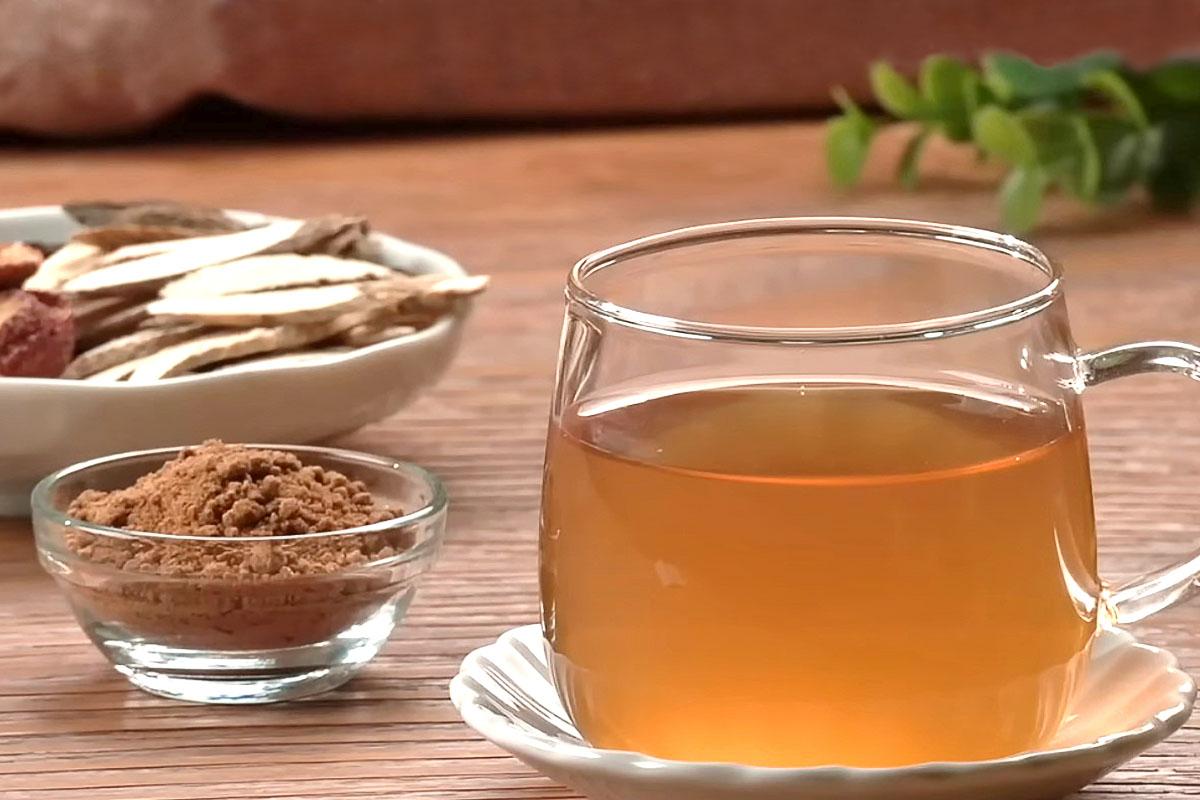
TCM offers both oral and topical herbal remedies for treating varicose veins. In this article, we introduce a commonly used oral formula for treatment called salvia root and red sugar tea with astragalus root and hawthorn.