Heartburn often comes on suddenly and can be very uncomfortable.
In such cases, simple self-care measures, including slowly sipping warm water and applying acupressure, may provide relief. For many people, these methods can ease discomfort within a few minutes.
Natural Ways to Relieve Acid Reflux
Long-term reliance on antacid medications may weaken gastrointestinal motility, potentially increasing gastric pressure and contributing to acid reflux. The following are ways to help alleviate acid-reflux without the use of antacid medications.
1. Sip Warm Water
Gradually sipping warm water can help dilute stomach acid, thereby reducing irritation to the esophageal lining and alleviating symptoms such as a burning sensation in the chest and throat discomfort.
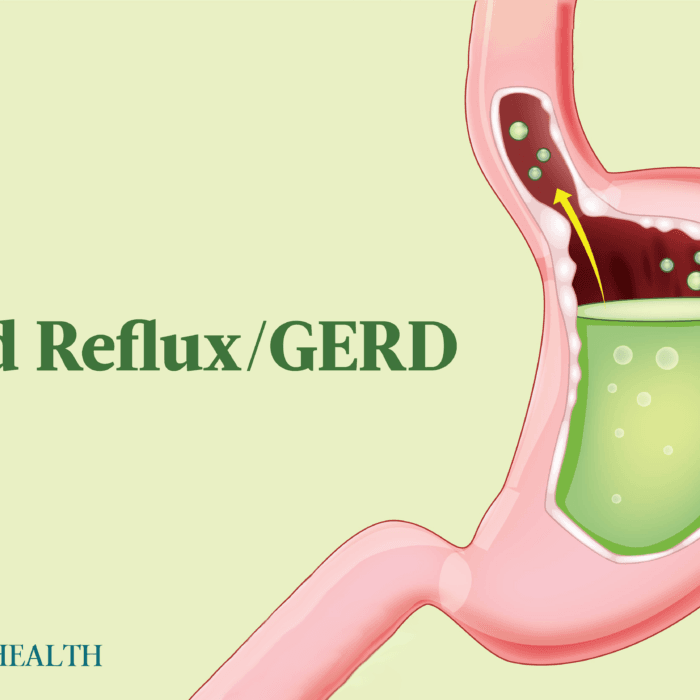

It is advisable to drink slowly rather than drink a full glass at once.
2. Acupressure
Under normal conditions, stomach qi moves downward to support digestion. However, factors such as eating too quickly, overeating, late-night meals, or emotional stress may cause this energy to move upward instead.
Regulating stomach qi through methods such as acupressure can help alleviate acid reflux symptoms.
Inner Gate (Nei Guan, PC6)
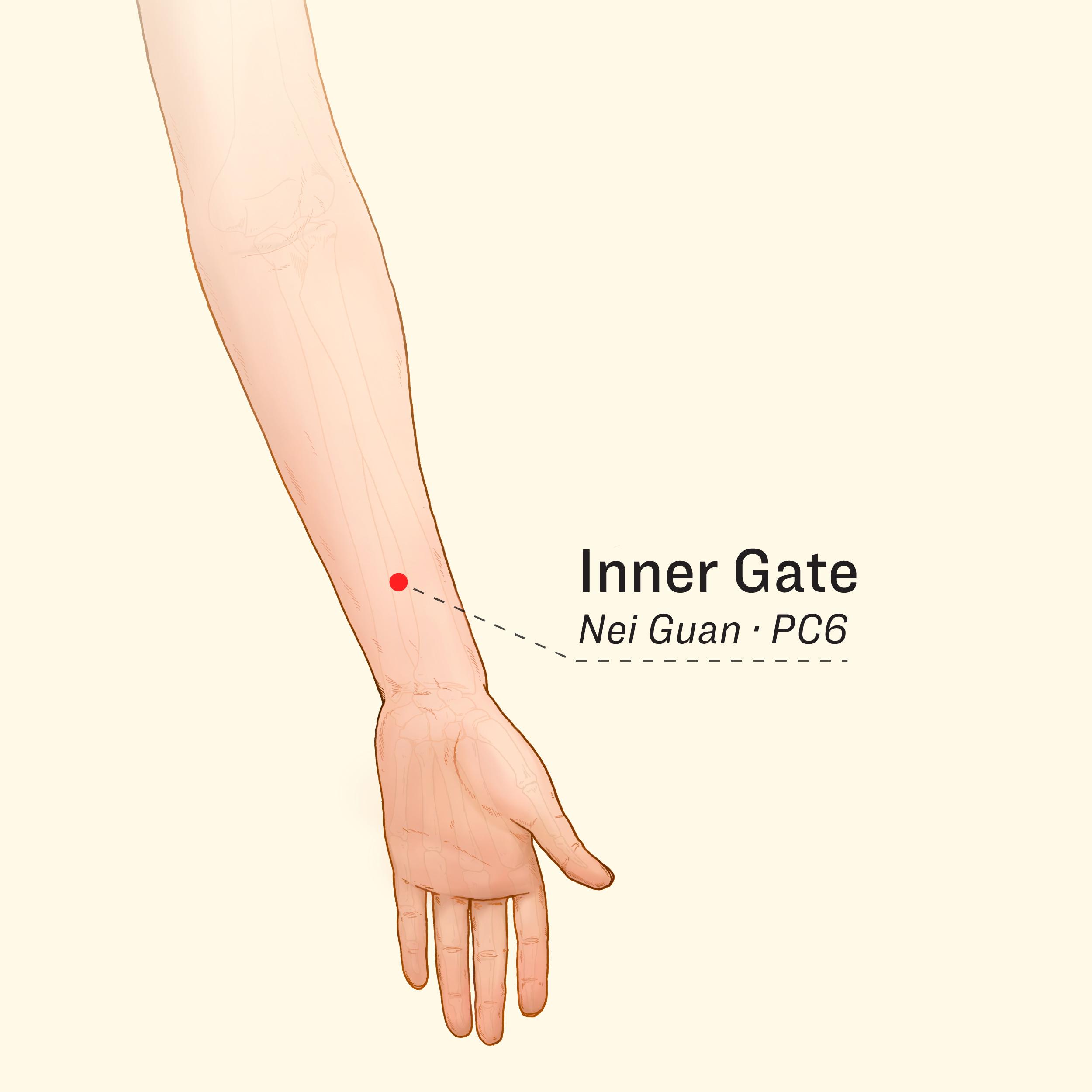
The Inner Gate acupoint is located approximately three finger-widths above the wrist crease, between the two tendons on the inner forearm.
Applying gentle pressure to this acupoint for several minutes may help relieve heartburn and chest discomfort.
Leg Three Miles (Zu San Li, ST36)
The Leg Three Miles acupoint is located about four finger-widths below the lower border of the kneecap, one finger-width lateral to the shinbone.
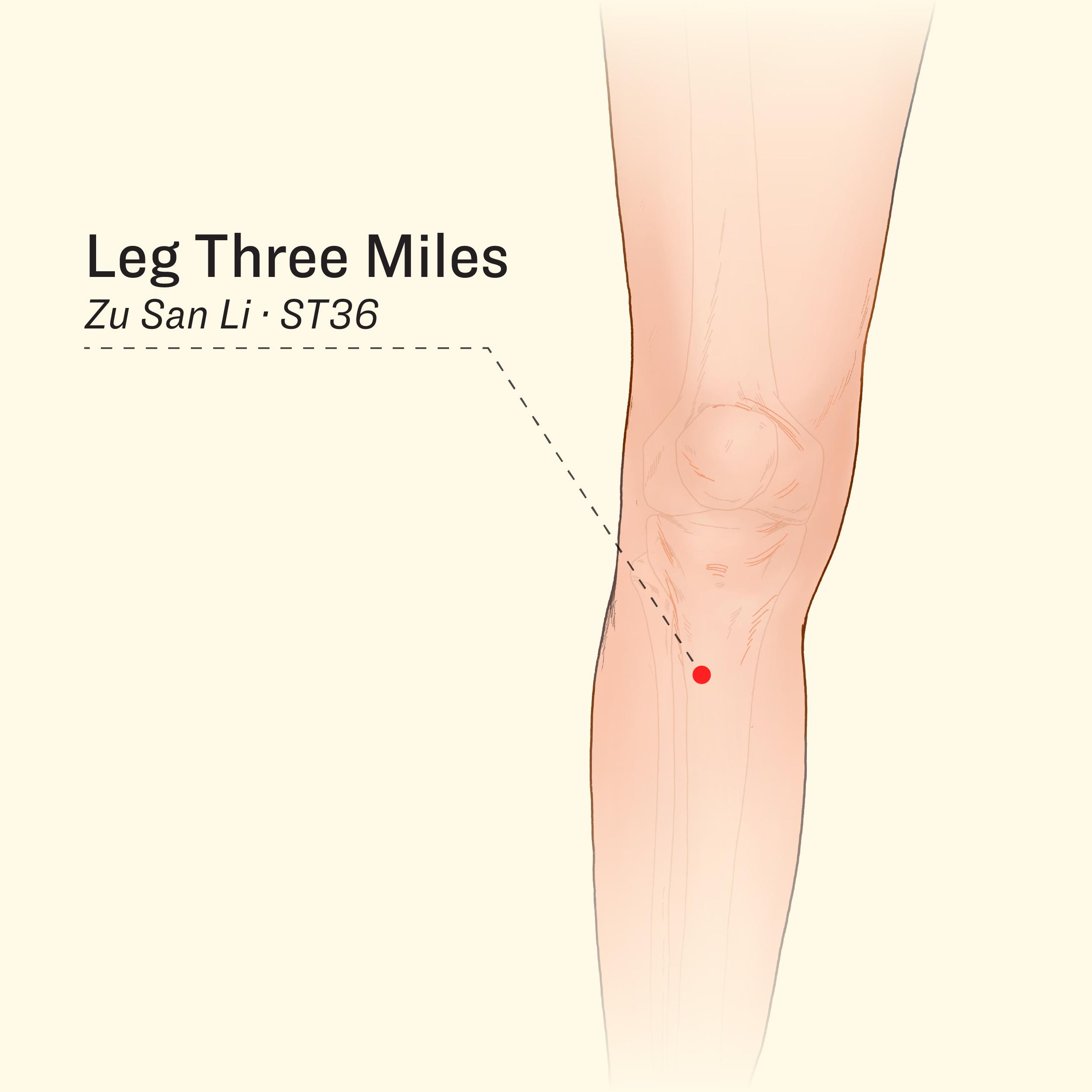
Regular stimulation of this acupoint may benefit people prone to bloating or constipation associated with heartburn.
Preventing Nighttime Acid Reflux
Effective management of gastroesophageal reflux involves promoting the smooth flow of stomach qi to ensure proper digestion.
In addition to drinking water and applying acupressure during reflux episodes, it is important to adjust daily routines and dietary habits to address the root cause.
Habits to Avoid
Eating Within 2 Hours of Bedtime: If you go to bed at midnight, avoid eating after 10 p.m. Ideally, dinner should be finished even earlier, for example, before 7 p.m. to allow sufficient time for digestion before going to bed around 9 p.m. or 10 p.m. Stomach acid production peaks about 30 minutes to two hours after eating, when digestion is most active. Lying down during this time increases the likelihood of reflux. If hunger strikes at night, two to three plain soda crackers (not overly sweet) or a small portion of oatmeal may be tolerated. However, wait at least 30 minutes after eating before going to bed.
Lying Down Immediately After Eating: Many people lie down right after a meal, which can trigger acid reflux. A better approach is to remain upright and engage in light activity after eating.
Eating Heavily Seasoned Dinners: It is advisable to keep dinner light and avoid foods that are excessively sweet, sour, spicy, or greasy, and limit fluid intake during the meal. These adjustments can help reduce acid reflux.
Foods That Help Protect the Stomach Lining
Foods that support stomach health include:
Cabbage and Sweet Potato Leaves: Cabbage contains vitamin U, a compound that may help reduce gastric acid secretion and support the healing of ulcers. Sweet potato leaves are rich in dietary fiber, which promotes gastrointestinal motility and may help reduce bloating.
Gel-Like Foods: Foods with a naturally gel-like texture—such as white fungus, seaweed, and Chinese yams—may help form a protective layer along the stomach lining, thereby reducing irritation from gastric acid.
Papaya and Bananas: A 2022 study found that enzymes in papaya can help break down proteins, thereby reducing the digestive burden on the stomach. A 2023 review found that bananas may help neutralize stomach acid.
How Emotions Affect the Stomach
Acid reflux is also associated with emotional factors.
In TCM, there is a concept known as “the seven emotions causing internal harm,” referring to joy, anger, anxiety, overthinking, grief, fear, and fright. When experienced in excess, these emotions may disrupt digestive function and contribute to acid reflux.
Constant multitasking—even during meals—combined with ongoing stress may disrupt the body’s internal balance and increase the likelihood of acid reflux.
To help restore balance, consider the following strategies: