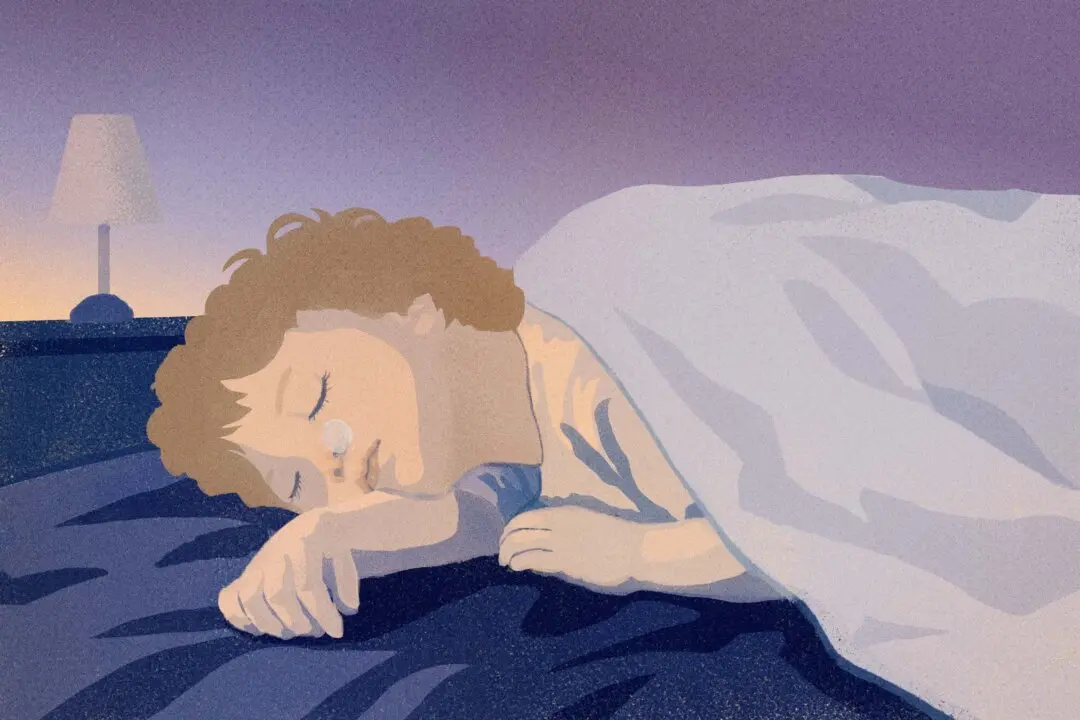
Joanna Bidwell likes to get some work done after midnight, then unwind by watching shows or scrolling on her phone. She sleeps well but struggles to get up early for work, often feeling like the first part of her morning is a foggy blur.
“It’s fine, I’ve learned to live with it and make up for lost time in the evenings,” she told The Epoch Times.
However, she recently started to wonder whether her sleep schedule might be doing more than just making mornings tough. “Could it be connected to my elevated blood pressure?” she asked.
Going to Bed and Waking Up Early
Chronotypes represent our natural preferences for when we sleep and when we feel most alert. Most people fall into one of two main types: morning types—or larks—and evening types—or night owls. Morning types wake up easily, feel most focused in the first half of the day, and get tired earlier in the evening. Evening types prefer to stay up late, often struggle with early mornings, and tend to be more productive later in the day.In contrast, evening types who adopted earlier sleep habits, essentially going to bed and waking earlier than their natural inclination, had a lower risk of diabetes, hypertension, obesity, metabolic disorders, digestive issues, and even cancer.

Can You Shift Your Internal Clock?
If going to bed earlier is more beneficial, why is it difficult for some people? Are we hardwired to be larks or night owls, or can our internal clock be trained to run on a different schedule?“For people who are on the ends of the chronotype spectrum, definite larks and definite owls, there is a strong genetic component,” Jamie Zeitzer, circadian physiologist, professor of sleep medicine at Stanford University, and co-author of the study, told The Epoch Times.
Chronotype also shifts with age. People tend to prefer later sleep times during adolescence, then gradually shift earlier as they get older. While many would like to become more of a morning type—especially night owls with early work or family commitments—shifting your natural preference isn’t easy, Zeitzer said.
Possible Mechanisms
What exactly makes late nights more harmful to the body, even if you’re getting enough sleep?Late sleep timing’s link to adverse health outcomes is likely due to its impact on metabolism, hormone regulation, and lifestyle habits. Being awake during the biological night, when the body expects rest, may lead to increased calorie intake, cravings for sugary or high-carb foods, and disrupted glucose and insulin regulation, all of which can raise the risk for chronic conditions such as heart disease and diabetes.
Practical Advice for Evening Types
Change is possible. Light exposure, daily routines, and social demands can influence your sleep schedule over time, Renske Lok, a postdoctoral fellow in psychiatry and behavioral sciences at Stanford, told The Epoch Times.“Light is the most powerful external cue for shifting circadian timing,” Lok said. For night owls who want to shift earlier, strict consistency in sleep and wake times, along with well-timed light exposure, can help, she added.
Aim to get natural sunlight within 30 to 60 minutes of waking to help anchor your circadian rhythm. In the evening, begin winding down one to two hours before bed by dimming lights, limiting screen time, and reducing stimulation to signal to your body that it’s time to rest, she said.
Diet and lifestyle also play a role.
“As a registered dietitian, and someone who has to work to get to bed early enough, I have a few go-to strategies,” Debbie Petitpain, registered dietitian and spokesperson for the Academy of Nutrition and Dietetics, told The Epoch Times.
- Cut caffeine after lunch. Caffeine from coffee, tea, soda, and energy drinks can linger in your system for hours, making it harder to fall asleep. Switch to water or herbal tea in the afternoon and evening.
- Eat light at night. Heavy, rich meals too close to bedtime can keep you up. Try to eat dinner at least two to three hours before bed. If you need a snack later, choose something small and light, like a banana or a few whole-grain crackers.
- Choose foods that support sleep. Some foods naturally help your body get ready for sleep. For example, foods rich in magnesium, like almonds, spinach, and pumpkin seeds, and foods with tryptophan, such as turkey, eggs, and dairy, can support relaxation and better sleep quality. Including these foods at dinner can gently encourage sleepiness without making you feel too full.