High levels of niacin, also known as vitamin B3, have been shown to contribute to cardiovascular disease in a recent study.
Niacin used to be a first choice for lowering LDL, or “bad,” cholesterol. However, as observed by the Cleveland Clinic team, too much niacin creates a byproduct known as 4PY. This product circulates within the bloodstream and is associated with a higher risk of heart attack, stroke, and other cardiac events. Additionally, 4PY was shown in preclinical studies to trigger vascular inflammation, damaging blood vessels and eventually leading to atherosclerosis.
The researchers discovered this by examining data from 1,162 patients who had experienced major cardiovascular events. Just under half of the patients (442) were female. Initially, the team sought common markers that could lead to cardiovascular events. The most common factor within the pool of patients was excess levels of niacin.
The findings led to additional studies to validate the initial research. Both cohort studies, conducted in the United States and Europe, confirmed that niacin breakdown predicted an individual’s future risk of heart attack, stroke, and death from cardiovascular disease.
What Is Niacin?
For years, niacin was a go-to supplement for preventing cardiovascular disease due to its ability to lower cholesterol. The body uses it to turn food into energy and maintain the health of the nervous and digestive systems and the skin. Most people get enough niacin through diet, especially if they follow a well-balanced one. Foods high in niacin include yeast, milk, meat, oats, and flour.
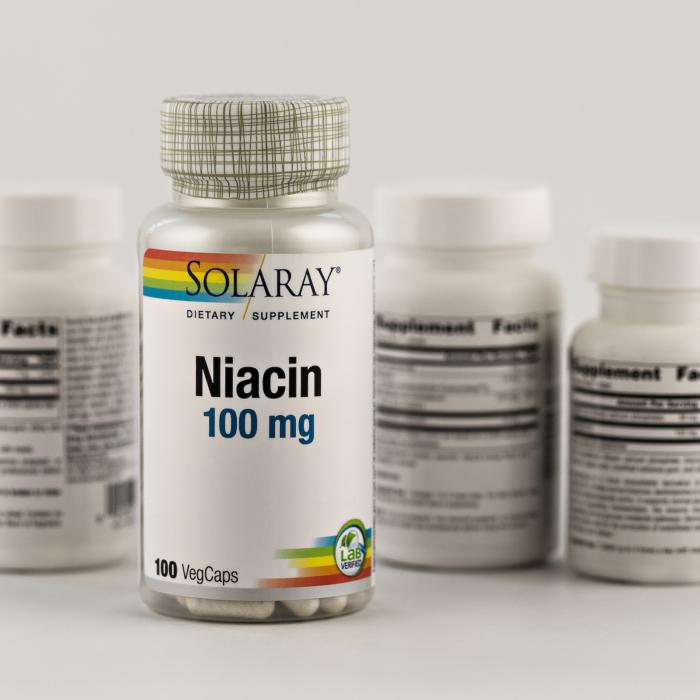
The recommended amount of niacin includes 16 milligrams a day for adult males and 14 milligrams a day for adult women who aren’t pregnant.
Prescription niacin, such as Niacor and Niaspan, has been used to regulate cholesterol. It works by increasing good cholesterol while flushing bad cholesterol from the bloodstream. However, research has since shown that niacin is less effective than other cholesterol treatments and is actually associated with adverse effects and higher death rates.
“Niacin’s effects have always been somewhat of a paradox,” Dr. Hazen said. “Despite niacin lowering of cholesterol, the clinical benefits have always been less than anticipated based on the degree of LDL reduction. This led to the idea that excess niacin caused unclear adverse effects that partially counteracted the benefits of LDL lowering. We believe our findings help explain this paradox. This illustrates why investigating residual cardiovascular risk is so critical; we learn so much more than what we set out to find.”
Dr. Hazen and his team noted that additional research is needed to determine the long-term effect of chronic high levels of 4PY.
“The main takeaway is not that we should cut out our entire intake of niacin—that’s not a realistic approach,” he said in a Cleveland Clinic press release. “Given these findings, a discussion over whether a continued mandate of flour and cereal fortification with niacin in the U.S. could be warranted.”