At 37, Ned Dougherty seemed to have it all: a Mercedes-Benz, a private jet, and a well-known nightclub in the Hamptons. Then he met death, and nothing was ever the same.
On July 2, 1984, after a fight with a business associate, Dougherty collapsed on the sidewalk. He felt like he was falling into a dark, endless pit. Medical records show that he had respiratory and cardiac arrest and was clinically dead for an hour and six minutes.
“I was literally dead in every sense of the word at that point,” Dougherty told The Epoch Times.
“And my journey on the other side began.”
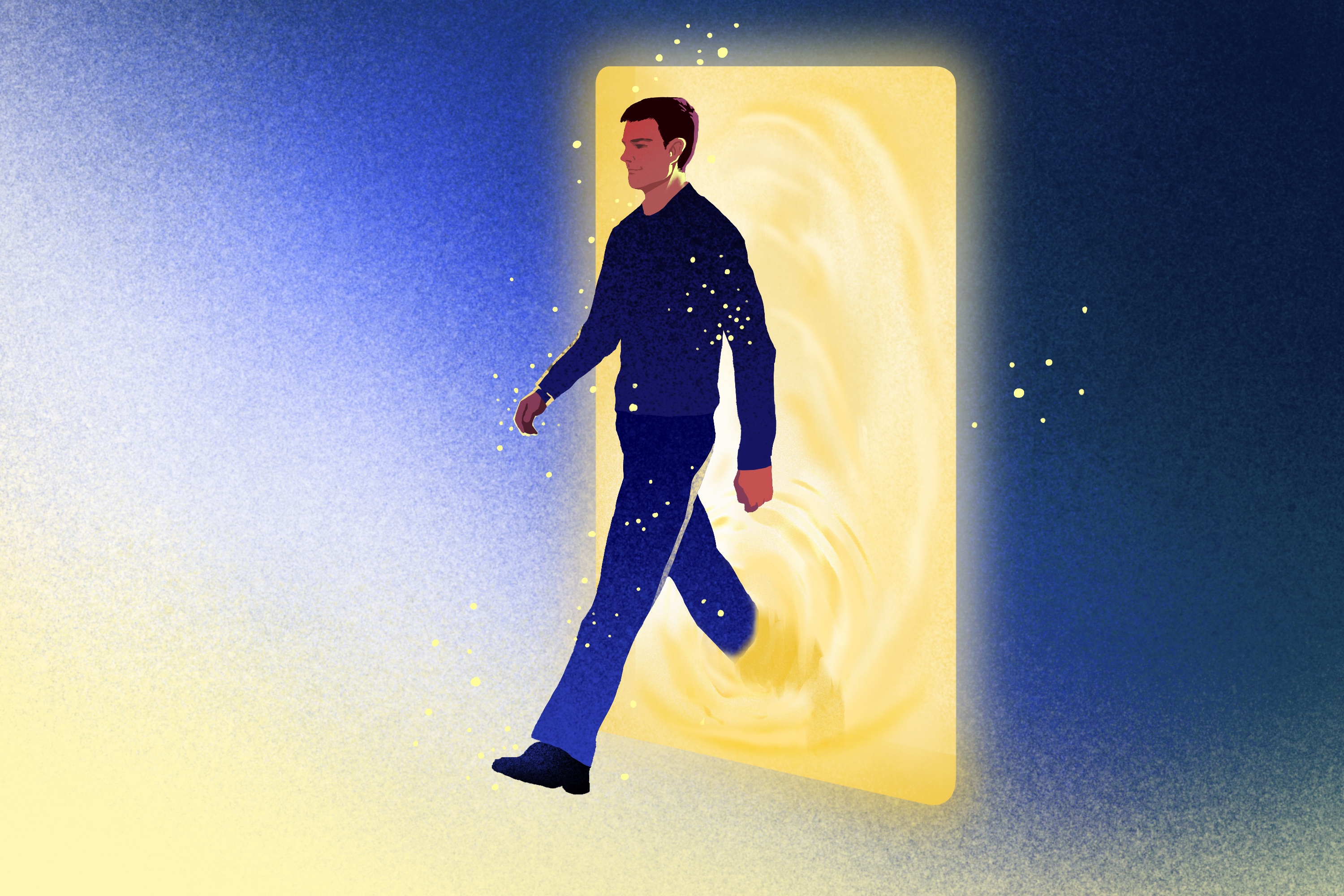
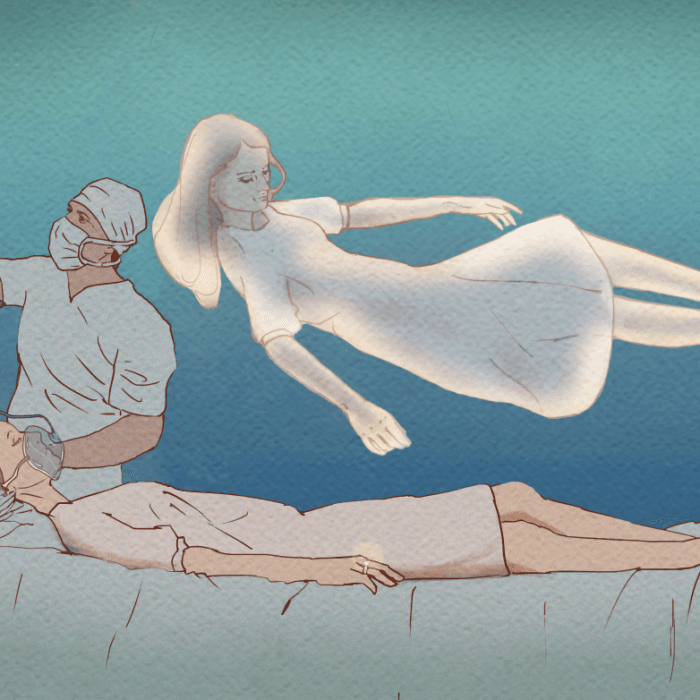
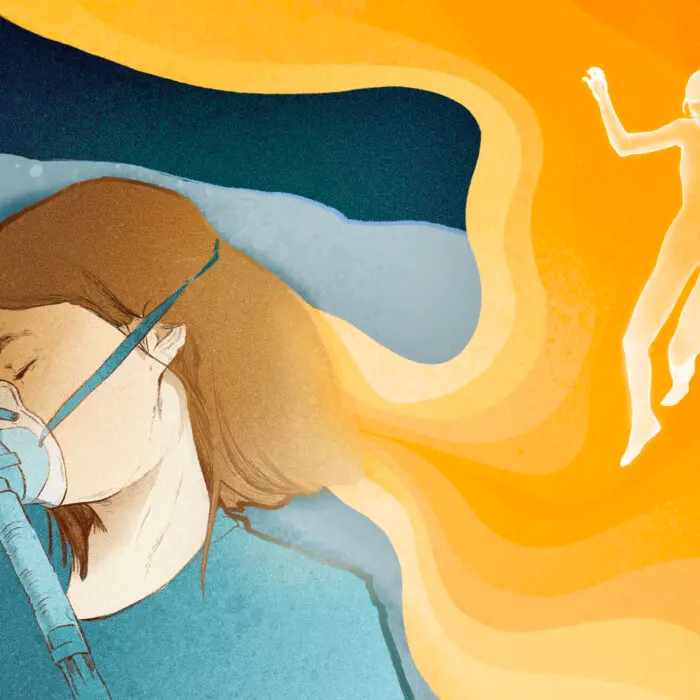
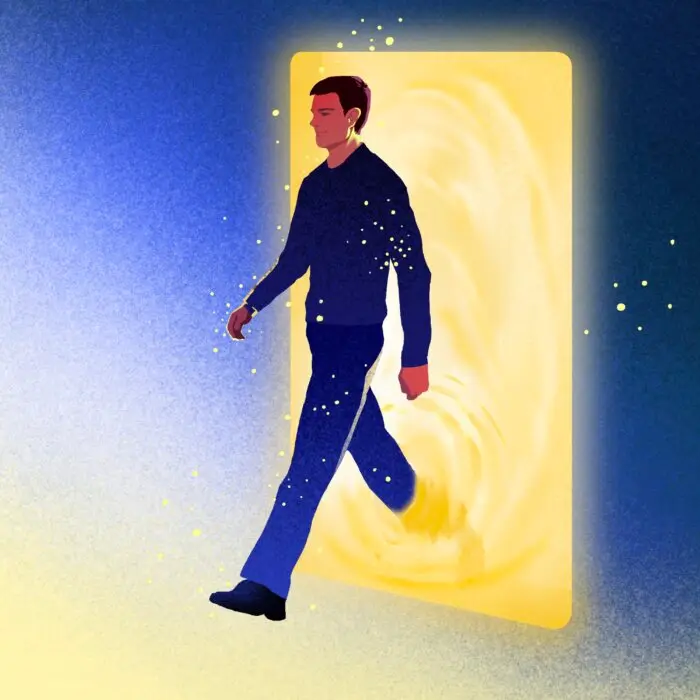
According to Dougherty, his consciousness left his body, traveled into another dimension, and was enveloped in a brilliant golden light more resplendent than the sun, yet causing no pain.
Dougherty was suddenly joined by his deceased best friend, Daniel McCampbell, who had passed away during the Vietnam War.
McCampbell communicated to Dougherty: “I’m here to show you the way. You have a mission ahead of you in your life.”
After Dougherty woke up, he became a different person. He sold his clubs, gave up drugs and alcohol, and started volunteering. He even did the jobs he once looked down on, such as taking out the trash, cleaning bathrooms, and directing traffic. For the past 40 years, he has spoken and written about his experience—not to prove anything, but because he believes that he returned with a purpose.
Dougherty’s transformation is not unusual.
Once Back, Never the Same
In a landmark study published in The Lancet, Dr. Pim van Lommel and his team conducted interviews with cardiac arrest survivors two and eight years after their NDEs. The researchers noticed a consistent change in them.Compared with people who did not have NDEs, those who did were much less afraid of death, were more likely to believe in an afterlife, were more interested in the meaning of life, and felt more love and compassion.
These positive effects persisted and even intensified in the eight-year follow-up assessment, suggesting a fundamental and permanent change in their consciousness rather than a temporary psychological reaction.
Greyson concluded that NDEs are “unusual in the long-term persistence of attitude changes.” Most peak experiences in life fade over time, but these changes seem to last.
Why? It comes down to three things that these people gained through the experience.
Three elements repeatedly appeared in his analysis and the experiencer’s write-ups as the engines of change. The first element is the one that most NDE analyses stop at. The other two are the ones that actually rebuild a life.

1. Consciousness After Death
The first thing nearly every experiencer reports is the discovery, in the moment, that the end of the body is not the end of awareness.Dougherty felt like he floated out of his body and watched paramedics working on his own “corpse” outside his nightclub. Others describe leaving their bodies in operating rooms, cars, or hospital beds, and seeing everything with incredible clarity. Many say it felt more real than reality.
2. Returning With a Purpose
The second element is what catalyzes the experience into a different kind of life.Dougherty left behind his old life to help others. He described that, during his NDE, a being of light told him to do charity and missionary work and to make prayer a regular part of his life. Afterward, he gave up drugs and alcohol and spent 30 years speaking and writing about his experience, hoping to inspire others.
He later wrote in his book, “Fast Lane to Heaven,” “My mission was not clearly defined for me at first, but I now find that each and every day it is being defined for me more clearly.”
Another well-known case is Dannion Brinkley, who was struck by lightning on Sept. 17, 1975, while talking on the phone in Aiken, South Carolina. He was clinically dead for 28 minutes. He remembers beings of light telling him to use what he learned to help people who are dying.
In 1997, he cofounded a nonprofit, The Twilight Brigade, dedicated to ensuring that no veteran dies alone. He has logged more than 34,000 hours of hospice volunteer service and has been at the bedside of more than 2,000 people during their final days.
The new mission of each person with an NDE was built from scratch, often at high personal cost (lost careers, abandoned businesses, decades of unpaid work). The pattern is consistent across enough cases that researchers such as Long have come to treat it as a defining feature of the phenomenon rather than an unexpected side effect.



3. Higher Guidance
Some people who have NDEs come back not just with a mission, but also with a higher standard for goodness and a clearer idea of how to live well.Sometimes the message is delivered by a deceased friend, as in Dougherty’s case. Sometimes it is delivered by what they call beings of light. The content of the guidance varies, but the structure is consistent: The experiencers are shown their life, often in a panoramic life review, from the perspective of the people they affected. They feel what they did to others and are measured against a universal moral standard, arriving at an intuitive understanding of right and wrong.
This life review is what makes the aftereffects so durable. The transformation is not built on belief in an afterlife—plenty of people believe in it and live unchanged. The transformation is built on the experience of having been seen, from the inside of every life one has touched, and measured against a standard of goodness one can’t attribute to one’s own invention.
The combination of the three elements, delivered in a single experience, is what changes a life.
The pattern shows up everywhere a researcher looks, regardless of the experiencer’s culture, age, or previous beliefs.
I have seen this pattern myself. For the past six months, I have been working on the documentary “Final Hours.” I met a former Harvard neurosurgeon who fell into a coma caused by meningitis, a college pitcher whose heart stopped during surgery, a young woman in a head-on car crash, and a cancer patient whose organs failed in the intensive care unit.
All of these subjects died, came back, and were forever changed.