Reaching 10,000 steps per day is no easy task.
Megan Visser, a 34-year-old marketing manager, used to aim for 10,000 steps per day.
“It actually added more stress to my day when I kept seeing that I wasn’t hitting my target, day after day,” she told The Epoch Times.
The Sweet Spot
Daily step counts have been linked to a lower risk of many health issues. A recent study published in The Lancet Public Health shows that the overall decline in disease risks is greatest between 5,000 and 7,000 steps daily and dropped off thereafter.
- 47 percent lower risk of all-cause mortality
- 47 percent lower risk of cardiovascular disease mortality
- 37 percent lower risk of cancer mortality
- 38 percent lower risk of dementia
- 22 percent lower risk of depressive symptoms
- 28 percent lower risk of falls
- 14 percent lower risk of Type 2 diabetes
“Any increase in daily steps, even modest ones like 4,000 steps, delivers health benefits compared to very low activity levels,” Melody Ding, lead author of the study and professor of public health at the University of Sydney, told The Epoch Times.

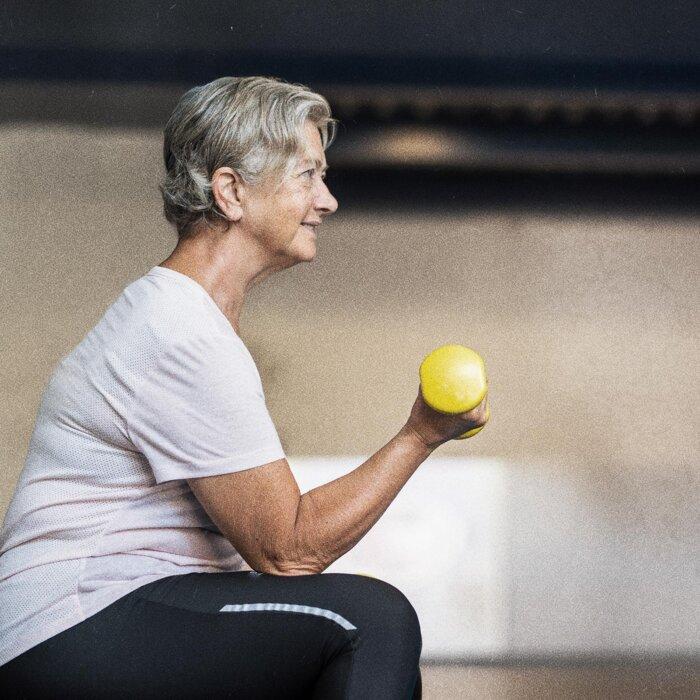
Ding also highlighted the brain benefits of the findings.
When you walk, your heart rate increases, which pumps more blood through your arteries and veins. Over time, this strengthens the heart muscle. The increased blood flow also helps your blood vessels remain flexible and healthy, improving overall circulation. This enhanced delivery of oxygen and nutrients to tissues supports better organ function. Your muscles also pull glucose from the bloodstream to use as energy while walking, which helps lower blood sugar.
Walking also benefits the brain and mood by increasing blood flow and supporting neuron growth and connectivity. It can further trigger the release of serotonin and dopamine, helping to reduce stress and boost mood.
Only Part of the Picture
While step counts can offer health benefits, they don’t tell the whole story.“We don’t actively use step tracking as part of our approach,” Annerien Groenewald, a biokineticist (movement specialist) with Labarre Jansen van Vuuren Biokineticist, told The Epoch Times.
While step counters and smartwatches can be useful tools for some by providing benchmark measures and motivating neophytes, not everyone owns or consistently wears these devices and there can be inconsistencies in how accurately steps are recorded, Groenewald said.
Step counts also do not capture other physical activities such as cycling or rowing and can be less useful for people with mobility limitations.
Each patient’s health goals are specific to his or her condition or injury. As such, monitoring methods will be specific to each patient, Groenewald said.
It’s important to recognize that walking, and therefore step-based exercise, is a weight-bearing activity that may not be suitable for everyone, especially for people recovering from surgery, dealing with injuries, or managing chronic pain.
Finding Alternatives
If walking is safe for you, remember that it doesn’t have to be done all at once or feel like formal exercise. Everyday activities count, such as getting off the bus a stop early or taking the stairs instead of the elevator. These small, incidental bouts throughout the day add up and contribute to health.“Embrace opportunities to move more in practical, enjoyable ways,” Ding said.
Biokineticist Rochelle Duarte encourages her patients to avoid sitting for long stretches and to move and walk as much as possible.
If injury or any other reason prevents someone from walking, Duarte first takes patients through an individualized exercise program to address the aches, pain, and mobility issues, and then gets them walking.
“I encourage starting with just five to 10 minutes of walking and gradually increasing the time,“ Duarte told The Epoch Times. ”Where possible, I recommend flat, even surfaces at first.”
For those who find walking difficult or painful, Duarte suggested alternatives such as stationary biking or water aerobics, if they’re comfortable with the pool. For stronger clients, using an elliptical machine is also a good option.
A recumbent stationary bike, on which you lean back and pedal with your legs out front, is gentler on the joints. You can start with 10 minutes of easy cycling and gradually build up to 30 minutes.
With water aerobics, Duarte recommended walking in the pool or doing high knees, leg swings, or gentle jogging for 20 to 40 minutes.