A woman’s first menstrual period marks the beginning of her journey into adulthood. Decades later, when a daughter begins the same cycle, the mother may be approaching the final stages of her own cycle.
Such is the cycle of a woman’s reproductive life.
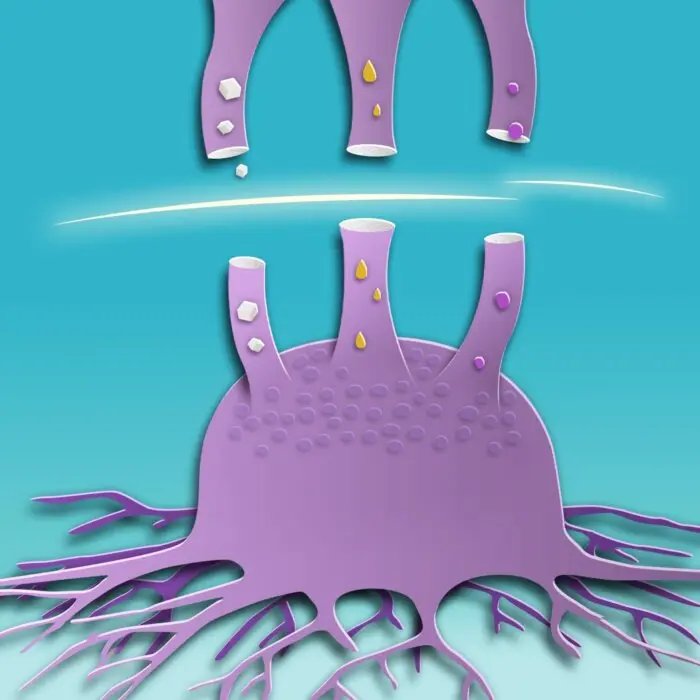
Across these stages, insulin—an often-overlooked hormone—works quietly behind the scenes to support our changing needs. Insulin resistance can be a natural gift, giving you energy to grow, but it can also act like a tempest, disturbing your fat storage and blood sugar, causing diabetes and even heart disease.
“ There’s kind of a time lapse of three phases where women can get insulin resistance—from puberty to pregnancy to perimenopause,” Dr. Roshani Sanghani, a board-certified endocrinologist and metabolic health specialist, told The Epoch Times.
Puberty and a Surprising Rise in Insulin Resistance
“Metabolic health is becoming relevant even to young girls,” Sanghani said.Many people know the effects of sex hormones, but there is an overlooked hormone at play—insulin.


Fertility Years and the Rise of PCOS
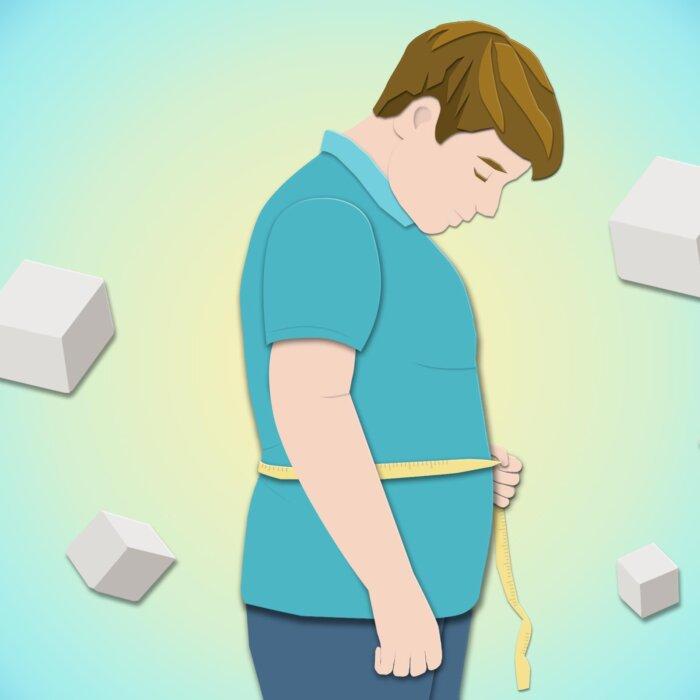
Although insulin resistance is a normal part of puberty, for some young women, it can intersect with polycystic ovarian syndrome (PCOS), a common hormonal disorder that affects women of reproductive age.Young women with PCOS commonly gain weight and have irregular menstrual periods.
“What ties PCOS and weight gain together is the insulin resistance as the driver of both. With weight gain, you can develop PCOS,” Sanghani said.
Hormonal treatments commonly used to manage PCOS, such as oral contraceptives, can sometimes worsen metabolic health.
Pregnancy, Another Insulin Surge for Baby
Pregnancy is a period of profound changes in insulin levels. To support fetal growth, the body naturally becomes more insulin resistant, and pancreatic cells expand to boost insulin production. For most women, this adaptation keeps blood sugar in a healthy range, but metabolic stress can overwhelm these mechanisms, leading to diabetes.Doctors check for gestational diabetes in the third trimester since it is a common time for the condition to develop.
“There’s a lot of growth happening for the baby. Progesterone levels rise quickly, and that can drive insulin resistance,” Sanghani said.
Perimenopause, Menopause, and Beyond
As many women approach and enter their 50s, insulin resistance may wreak havoc again—significantly affecting metabolic and heart health.“There is a risk for all of us as we get further into menopause for that insulin sensitivity, that metabolic issue, and that weight gain,” Muth said.
Even women with long-established healthy habits may notice changes.
“I’ve seen women who have the most pristine diet with no room for improvement, and yet they have this belly fat, fullness, and bloating,” she said.
Reduced estrogen can impair glucose metabolism and fat storage, while shifts in growth hormone and cortisol regulation alter fat distribution.
Without estrogen’s protective effects, maintaining abdominal weight becomes more challenging with age, Antoine said.
Many women turn to hormone replacement therapy (HRT) during this time. Sanghani noted that women should consider starting HRT in perimenopause or early menopause, once they’ve confirmed with their doctor that they’re an appropriate candidate.
Protect Your Metabolism Throughout Life
Adopting strategies across lifestyle, nutrition, and stress management can protect your insulin sensitivity at every stage of life.Diet
Hormones are built from cholesterol, which is essential for producing key steroid hormones such as DHEA and estrogen. DHEA is a precursor hormone that can be converted into androgens and estrogens, supporting the body’s production of testosterone and estrogen.“It’s important not to suppress cholesterol too much,” Muth said. She noted that statins are an example of medications that can inhibit cholesterol production.
She also emphasized the importance of diet composition and quality. “People who don’t eat meat at all will miss all of the good, healthy fats and the healthy proteins that we need. You typically see women having more issues if they’re vegan or even if they’re just doing a traditional American diet of junk and processed foods.”
Omega-3s are crucial, especially with age, Muth said. While 3 ounces of fatty fish daily could suffice, most people don’t eat fish that often. The goal should be two grams to three grams per day to protect heart health as metabolic resistance rises.
According to Sanghani, carbs matter, too: “Low-carb, for sure. That’s the mantra—the foundation of everything.”
Muth agreed, adding that the nutrient inositol can also help improve insulin sensitivity. Inositol is naturally found in foods such as oranges, cantaloupe, and beans.
“You could eat two cups of beans and get all the inositol you need for the day—plus 30 grams of protein,” she said.
Lifestyle
Muth’s top advice is to honor sleep, one of the most overlooked drivers of metabolism. Disrupted sleep—from adolescence through menopause—can elevate cortisol, which affects insulin and destabilizes blood sugar.Metabolic health is a whole-body process. Sanghani compares it to a four-wheel vehicle—nutrition, sleep, stress management, and exercise.
“Life will throw you challenges and setbacks, so it’s dynamic—working on these areas in all stages of life to optimize insulin resistance,” she said.
“Everything we talk about in metabolic health—the word insulin resistance will always show up.”