When cooking oil and ingredients hit high temperatures, the resulting kitchen fumes do more than fill your home with unpleasant odors. These invisible clouds may be silently damaging your health, increasing your risk of cardiovascular disease, Alzheimer’s disease, and various respiratory conditions, according to numerous studies.
How Cooking Fumes Harm Your Body
The composition of cooking fumes is highly complex. When cooking oil and food are exposed to high temperatures, thermal decomposition and degradation can produce a variety of harmful chemical compounds, Tzung-Hai Yen, a food safety and toxicology expert at the Chang Gung Memorial Hospital International Medical Center in Taiwan, told The Epoch Times.
Because we stand very close to the stove, these fumes enter the body easily and quickly, allowing harmful substances to travel deep into the lungs before we even notice.
Respiratory Diseases
“Prolonged exposure to cooking fumes can be as harmful as secondhand smoke,” Hao-Chun Hu, an attending physician at the affiliated hospital of Fu Jen Catholic University in Taiwan, told The Epoch Times.Bronchitis and Asthma
PM2.5 particles in cooking fumes can penetrate deep into the bronchi, potentially leading to chronic bronchitis.Persistent Throat Inflammation
Long-term inhalation of cooking fumes can irritate the mucous membranes of the upper respiratory tract, leading to persistent throat inflammation. It is common for homemakers, for instance, to experience symptoms such as a dry or itchy throat, chronic coughing, and hoarseness after cooking.

Decline in Lung Function
Toxic substances in cooking fumes can damage the alveoli, the balloon-shaped air sacs at the end of the bronchioles in the lungs, and bronchial walls, gradually impairing lung function. Prolonged exposure may lead to pulmonary fibrosis, accompanied by symptoms such as shortness of breath, chest tightness, and reduced exercise tolerance.Lung Cancer
High-heat cooking triggers multiple chemical reactions: fats produce polycyclic aromatic hydrocarbons (PAHs), proteins form heterocyclic amines, and starchy foods generate acrylamide, in addition to the PM2.5 produced by cooking. All of these compounds are known carcinogens.Exposure to cooking fumes can continuously irritate lung cells, leading to cell death and DNA damage, which increases the risk of developing lung cancer, Yen said.
Other Health Problems
The health consequences of cooking fume exposure extend far beyond the respiratory system, affecting multiple vital organs and increasing the risk of serious chronic diseases.Cardiovascular Diseases
PM2.5 emitted during cooking also harms your heart and lungs.Alzheimer’s Disease
Cooking fumes can harm the brain and nervous system.The study suggested that chronic exposure to high concentrations of cooking aerosols may, over time, contribute to the development of Alzheimer’s disease.
Understanding Smoke Points
To reduce the emission of particulate matter from cooking fumes, it is important to know the smoke points of different cooking oils.Practical Steps to Protect Yourself
Simple changes to your cooking habits and kitchen setup can reduce your exposure to harmful fumes.- Modern Kitchen Solutions: According to the American Lung Association, gas and other combustion stoves release significantly more harmful particulate matter than electric stoves. Switching to induction cooktops is therefore recommended. Turning on a high-efficiency range hood and keeping the kitchen well ventilated while cooking can greatly reduce exposure to cooking fumes, Yen said.
- Smart Oil Selection: “If possible, keep a few types of cooking oils on hand and choose the right one for different dishes,” he added. “For everyday stir-frying, olive oil is suitable, but when deep-frying meat or other foods, oils with a higher smoke point should be used to prevent oxidation.”
- Additional Protective Measures: Hu recommends wearing a mask while cooking and cleaning kitchen appliances regularly to protect the respiratory tract.
TCM Approaches to Lung Health
In TCM, the lungs are regarded as the organ most easily affected by external environmental factors. The lungs “prefer moisture and dislike dryness,” Chen Hsin-Hung, director of Hanyitang Chinese Medicine Clinics in Taiwan, told The Epoch Times. Certain herbal remedies can help nourish the lungs and moisten dryness.Lung-Nourishing Herbs
“In clinical practice, I often use herbs such as Polygonatum, lily bulb, apricot kernel, and licorice,” Chen said. “Depending on each patient’s constitution, I may also add cooling herbs such as fritillaria, ophiopogon root, or loquat leaf to help nourish yin and moisten dryness, thereby supporting respiratory health.”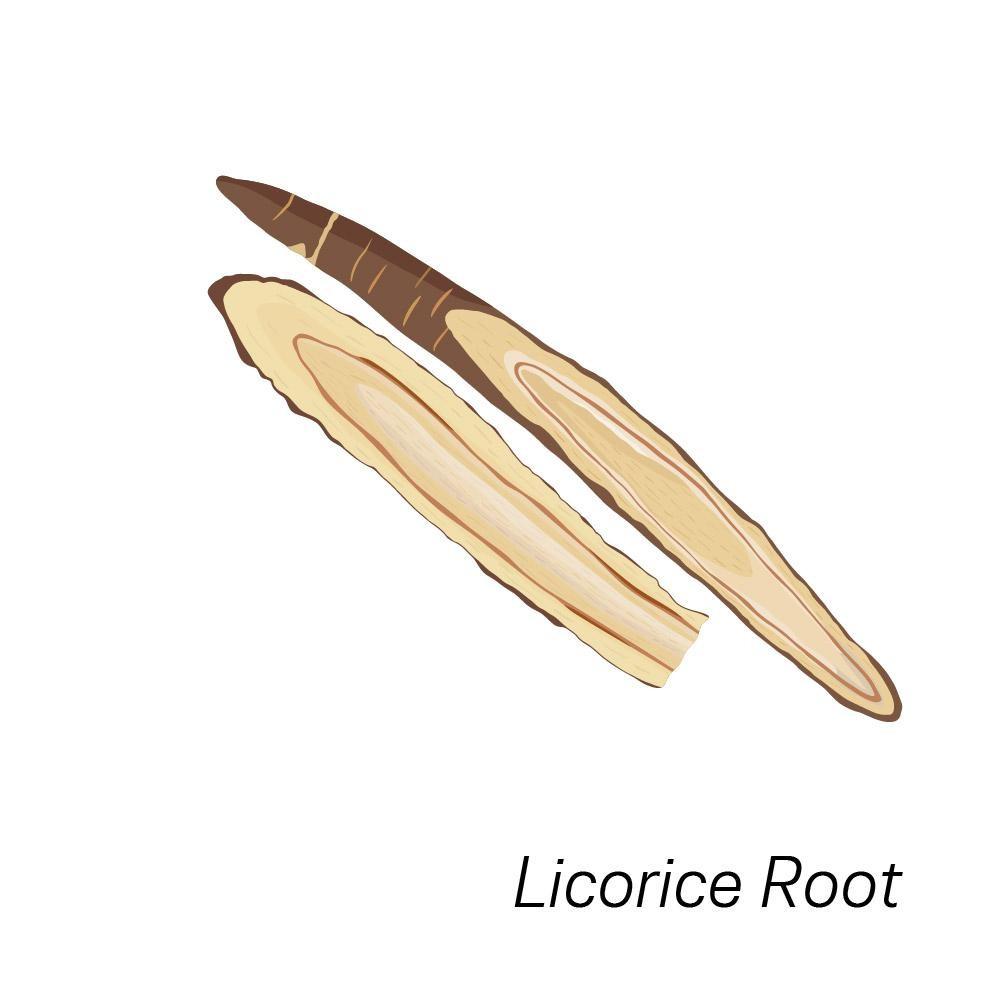
Recipe
Chen also recommends drinking a throat- and lung-moistening herbal tea regularly to help maintain healthy lung function.- Half a monk fruit (Luo Han Guo)
- 11 grams Sterculia seed (Pang Da Hai)
- 3.8 grams Fritillaria powder (Chuan Bei Fen)
- 3.8 grams apricot kernels (Xing Ren)
- Rock sugar, to taste
- Rinse Sterculia seed, monk fruit, and apricot kernels
- Place them in a pot and add the Fritillaria powder
- Pour in 1 liter of water
- Bring to a boil over high heat
- Reduce heat and simmer for 10 minutes
Anti-Inflammatory Ingredients
The TCM principle of “food and medicine sharing the same origin” aligns closely with modern nutrition science: Both emphasize natural compounds that reduce inflammation and oxidative stress—two major pathways through which cooking fumes can damage the lungs, cardiovascular system, and nervous system.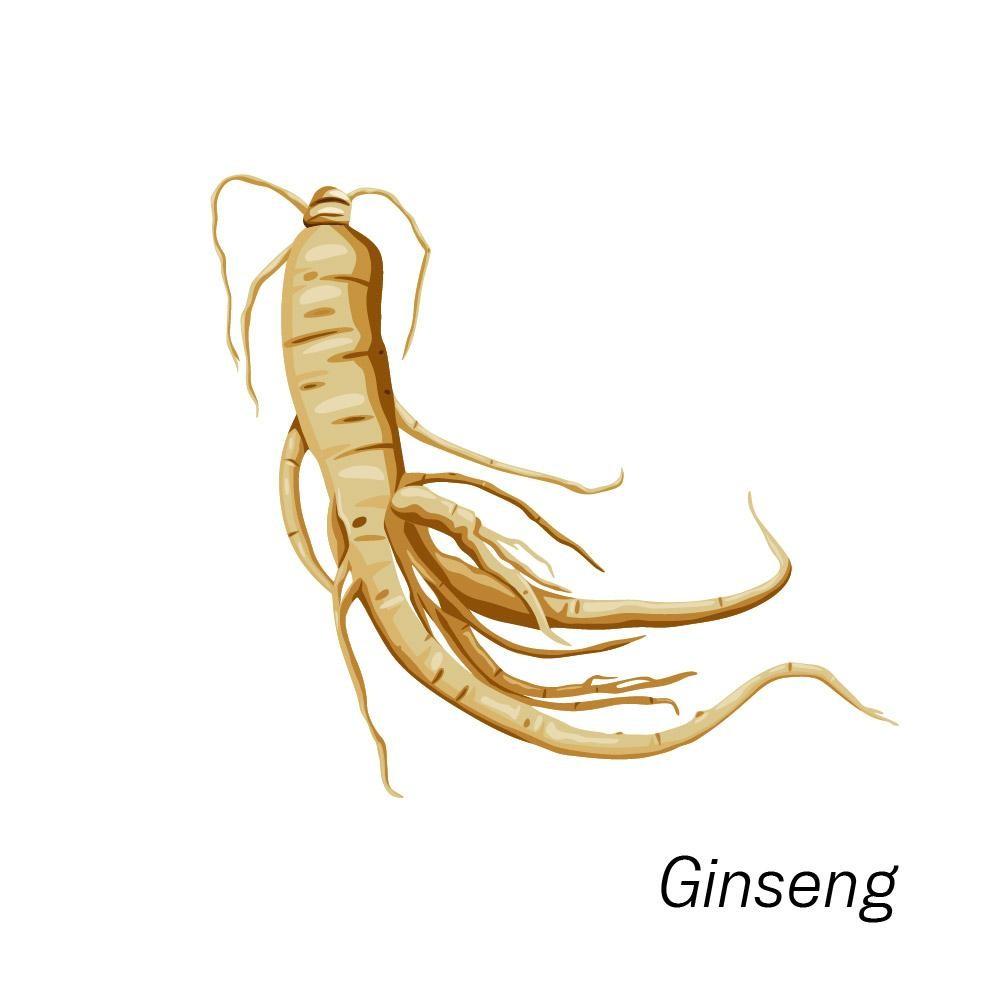
Herbs such as Scutellaria (Huang Qin), ginseng (Ren Shen), and Bupleurum (Chai Hu) are traditionally used to clear heat, reduce inflammation, and protect the body from environmental irritants.
- Reducing oxidative stress caused by inhaling particulate matter
- Lowering inflammation triggered by toxic aldehydes and PAHs
- Protecting the cardiovascular system, which is also harmed by PM2.5
- Supporting the nervous system, which may help buffer the neuroinflammatory effects linked to Alzheimer’s-like changes from cooking fumes
- Enhancing immune resilience, helping the lungs recover from chronic irritation
The Power of Lycopene
Cooking fumes—especially PM2.5, PAHs, and aldehydes—cause oxidative stress, inflammation, and DNA damage in lung tissue. Lycopene’s strong antioxidant capacity helps neutralize reactive oxygen species, reduce inflammation in the respiratory tract, and protect lung cells.Fruits and vegetables such as tomatoes, lettuce, mushrooms, apples, and oranges are rich in carotenoids. Among them, lycopene stands out for its potent anti-inflammatory and antioxidant properties.
Additionally, higher blood levels of lycopene are associated with a reduced risk of lung cancer. Lycopene not only inhibits tumor cell proliferation but also promotes apoptosis and helps prevent metastasis.
Together, these benefits make lycopene-rich foods valuable allies in supporting lung and heart health for anyone frequently exposed to cooking fumes.