A common belief is that eye bags are caused by staying up late, poor sleep, or skin aging. However, traditional Chinese medicine (TCM) practitioner Chen Chun-ju told The Epoch Times that according to TCM, eye bags are related to imbalances in the functions of the spleen, liver, and kidneys.
3 Types of Eye Bags
Various conditions cause different types of under-eye bags.
1. Spleen and Stomach Imbalance: Edema-Type Eye Bags

TCM treatment focuses on strengthening the spleen, promoting diuresis, and eliminating dampness. Clinically, the “Four Gentlemen Decoction” is often used in combination with other herbs such as Pilose asiabell root, coix seed, and Dioscorea opposita to help strengthen the spleen, eliminate dampness, and promote water metabolism, Chen said.
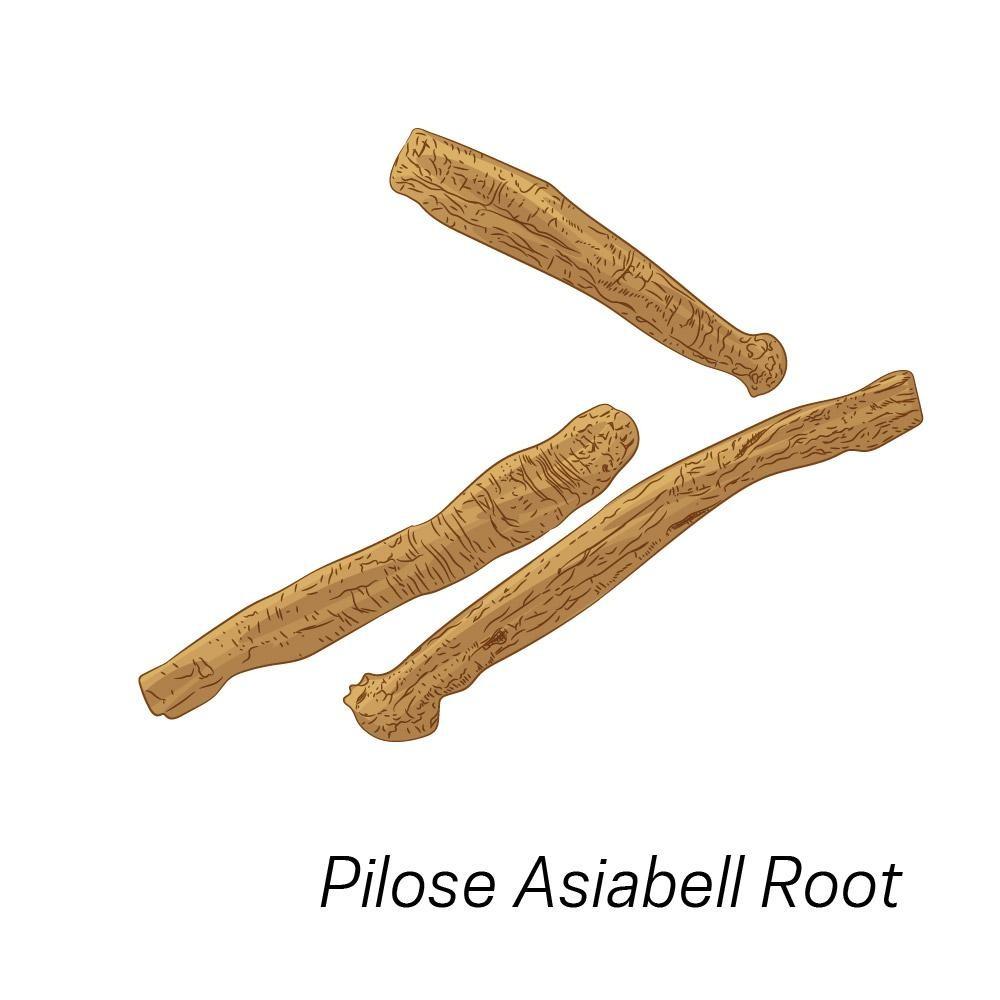

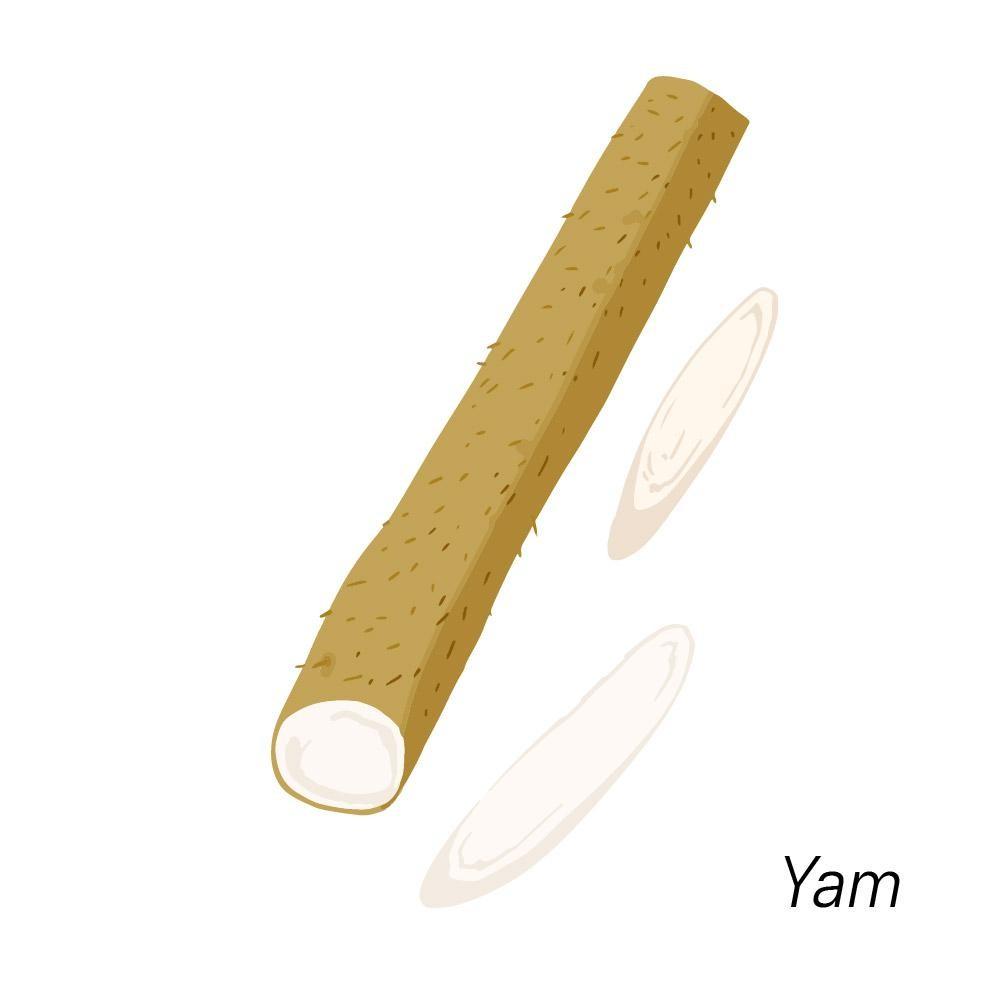
TCM holds that the spleen and stomach are responsible for the digestion, absorption, and transport of nutrients from food, Chen said. An imbalance of spleen and stomach functionality can lead to indigestion, fatigue, edema, and insufficient qi (energy) and blood.
2. Liver Meridian Imbalance: ‘Night Owl-Type’ Eye Bags
Staying up late or going to bed late disrupts the flow of qi and blood in the liver meridian (energy pathway), leading to poor circulation. A dull complexion, noticeable fatigue, and a poor mental state often accompany night owl-type eye bags. With age, sagging around the eyes becomes more pronounced.
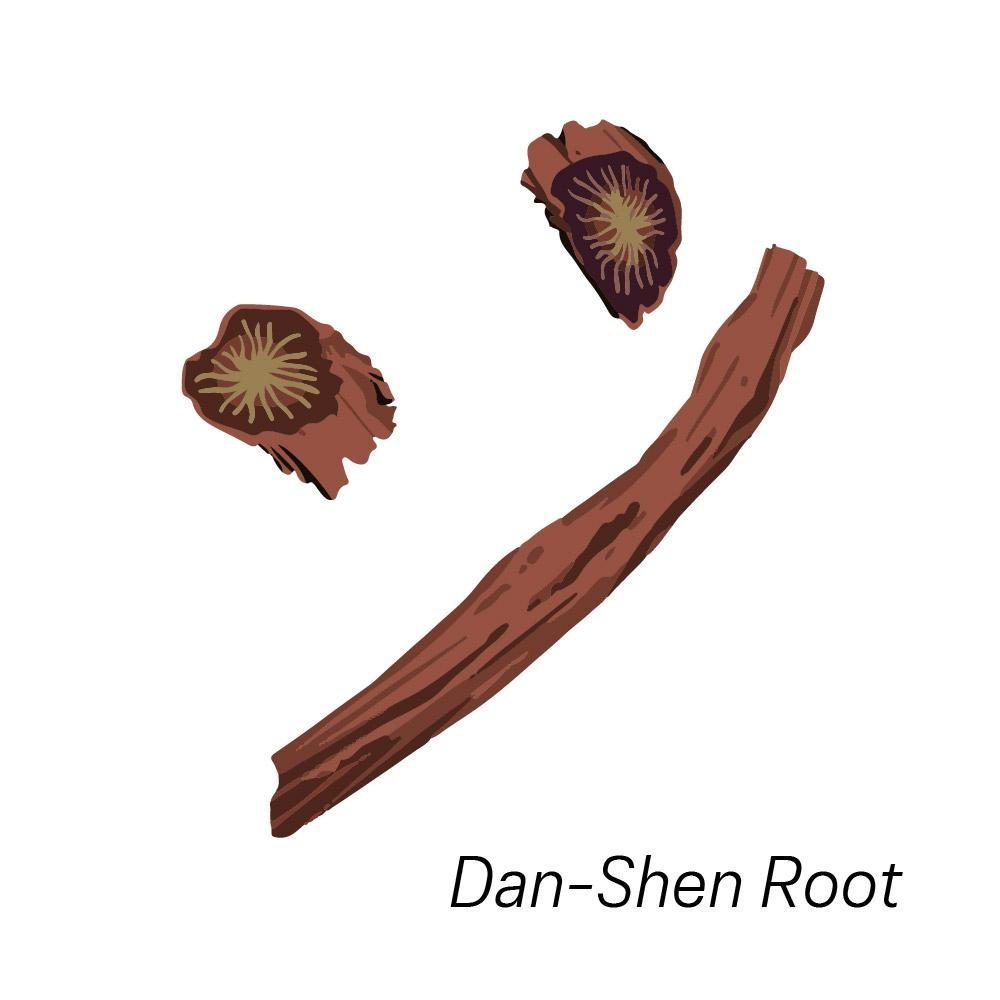
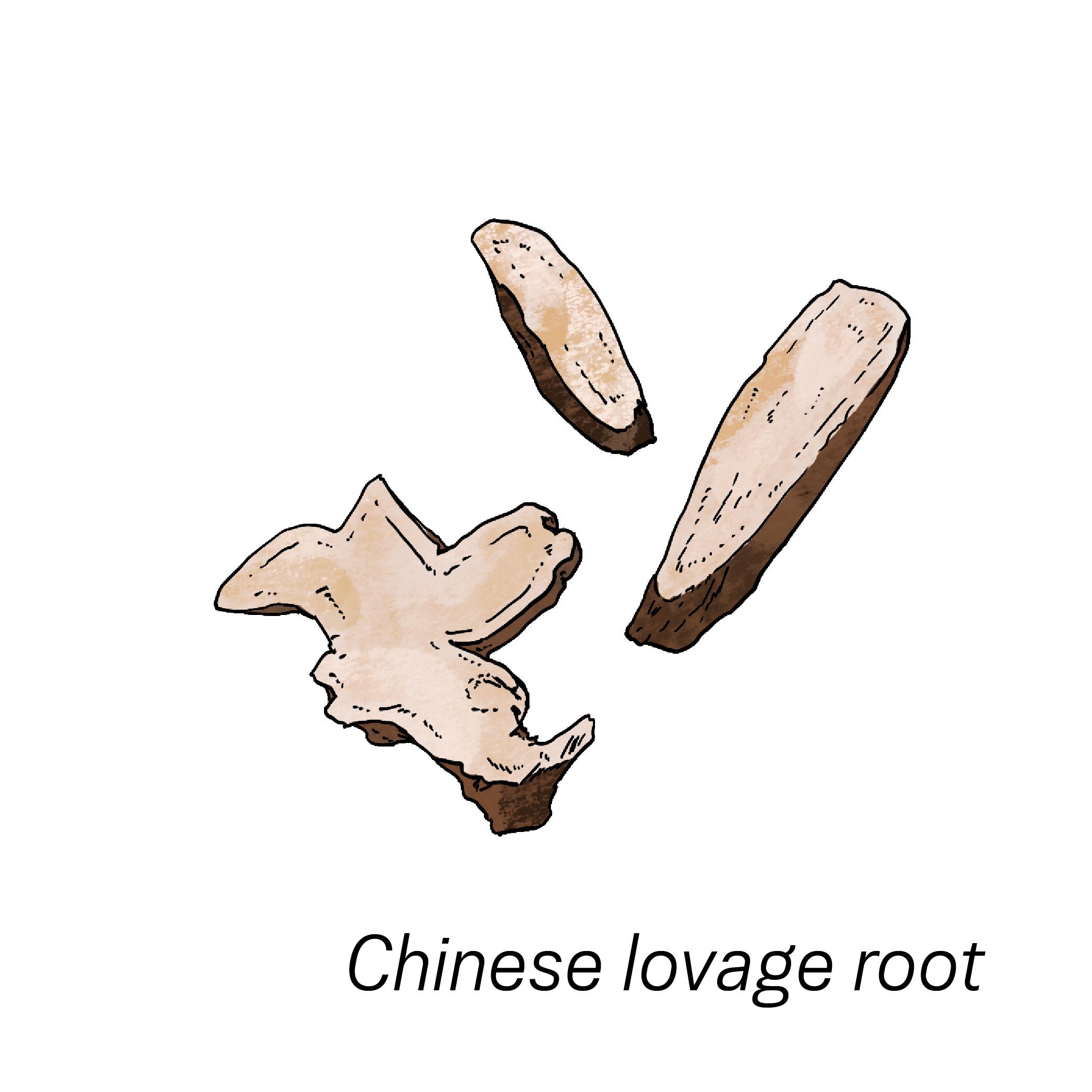
3. Kidney Qi Deficiency: Aging-Related Eye Bags
Decline in kidney qi is associated with aging and affects skin elasticity and tissue support. Coupled with the gradual weakening of orbital bone support, this easily leads to dark, drooping eye bags.
Treatment focuses on tonifying the kidneys and replenishing qi, with common formulas such as Bawei Dihuang Wan and Liuwei Dihuang Wan, Chen said.
TCM considers the “kidney” to be the foundation of innate essence, encompassing functions such as storing essence, regulating water metabolism, governing bone marrow production, and being closely related to reproduction, growth and development, and immunity. This concept is different from the anatomical kidney as a single organ in Western medicine.
External Application for Reducing Eye Bags and Fading Spots
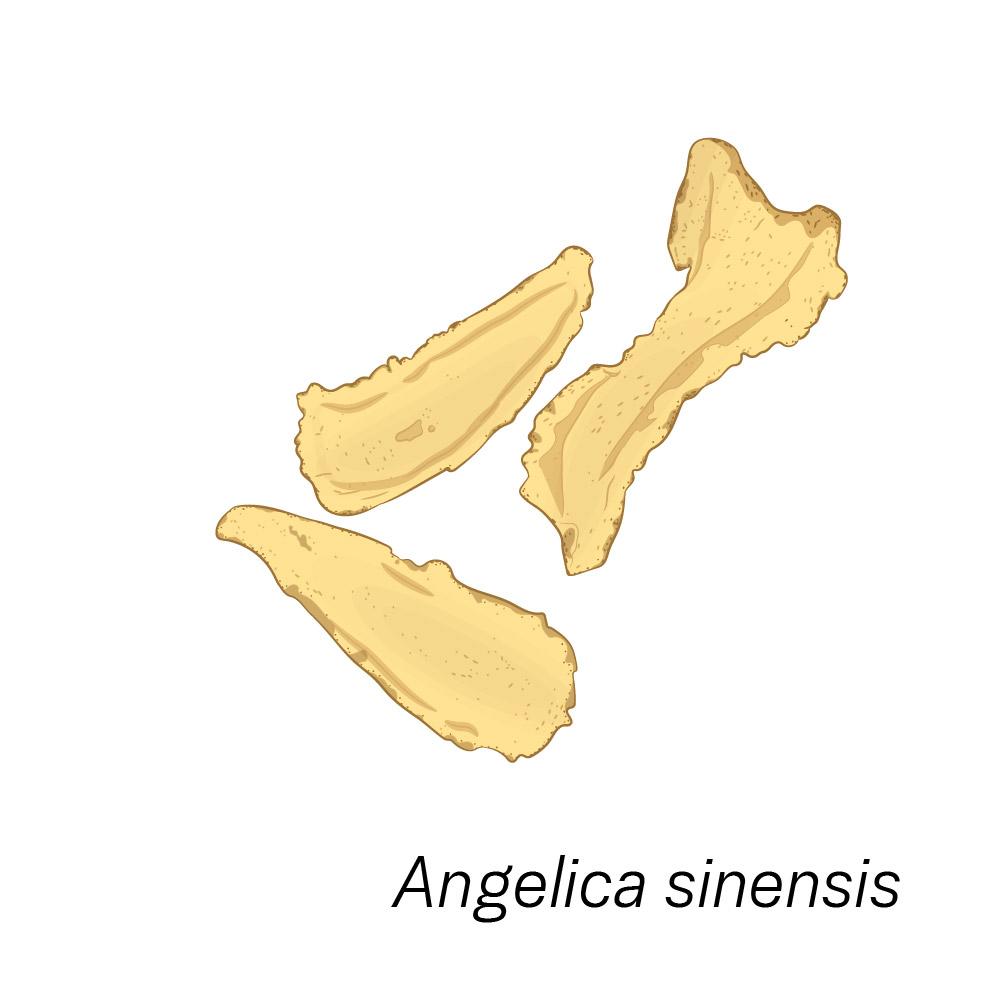
Chen also recommends applying Chinese medicinal herbs externally to improve circulation around the eyes. Grind Angelica dahurica, Ligusticum striatum (both for whitening), and Asparagus cochinchinensis (for nourishing yin and moisturizing dryness) into powder, mix it with a small amount of olive oil or brown rice oil, and apply to the area around the eyes.
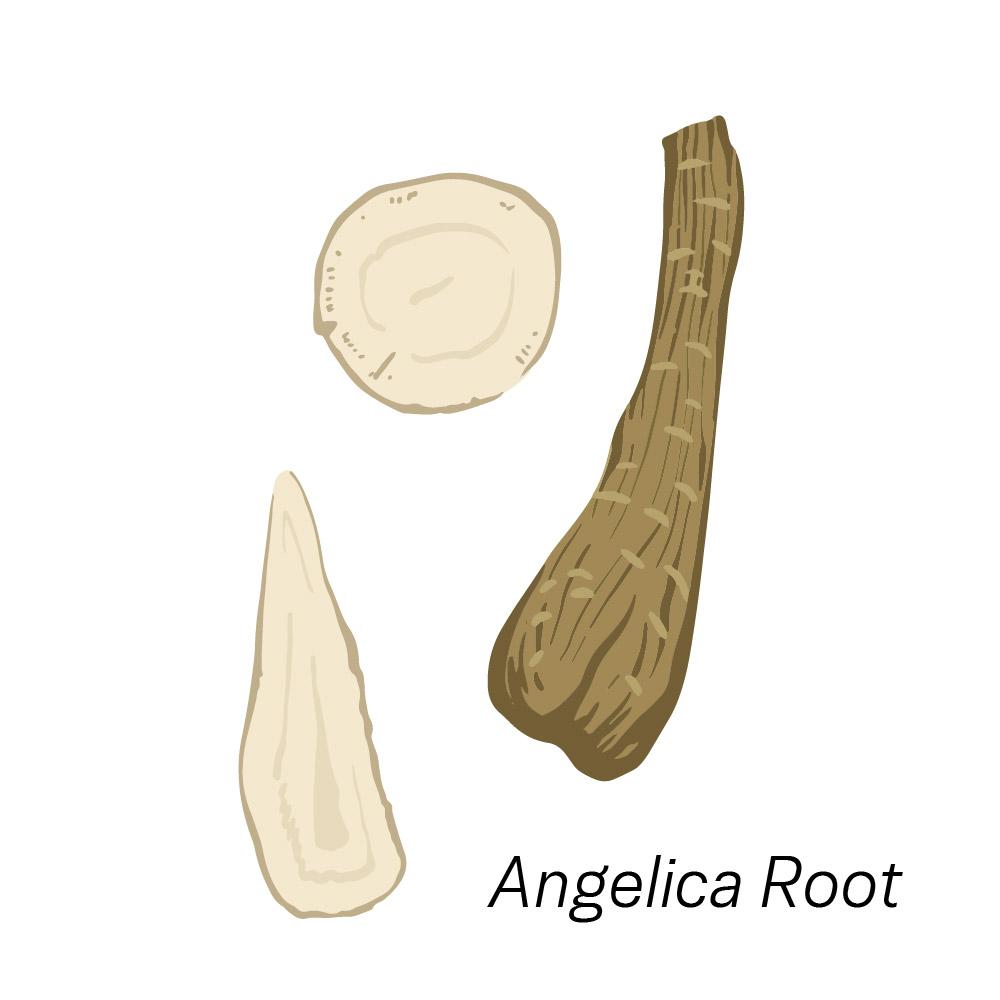
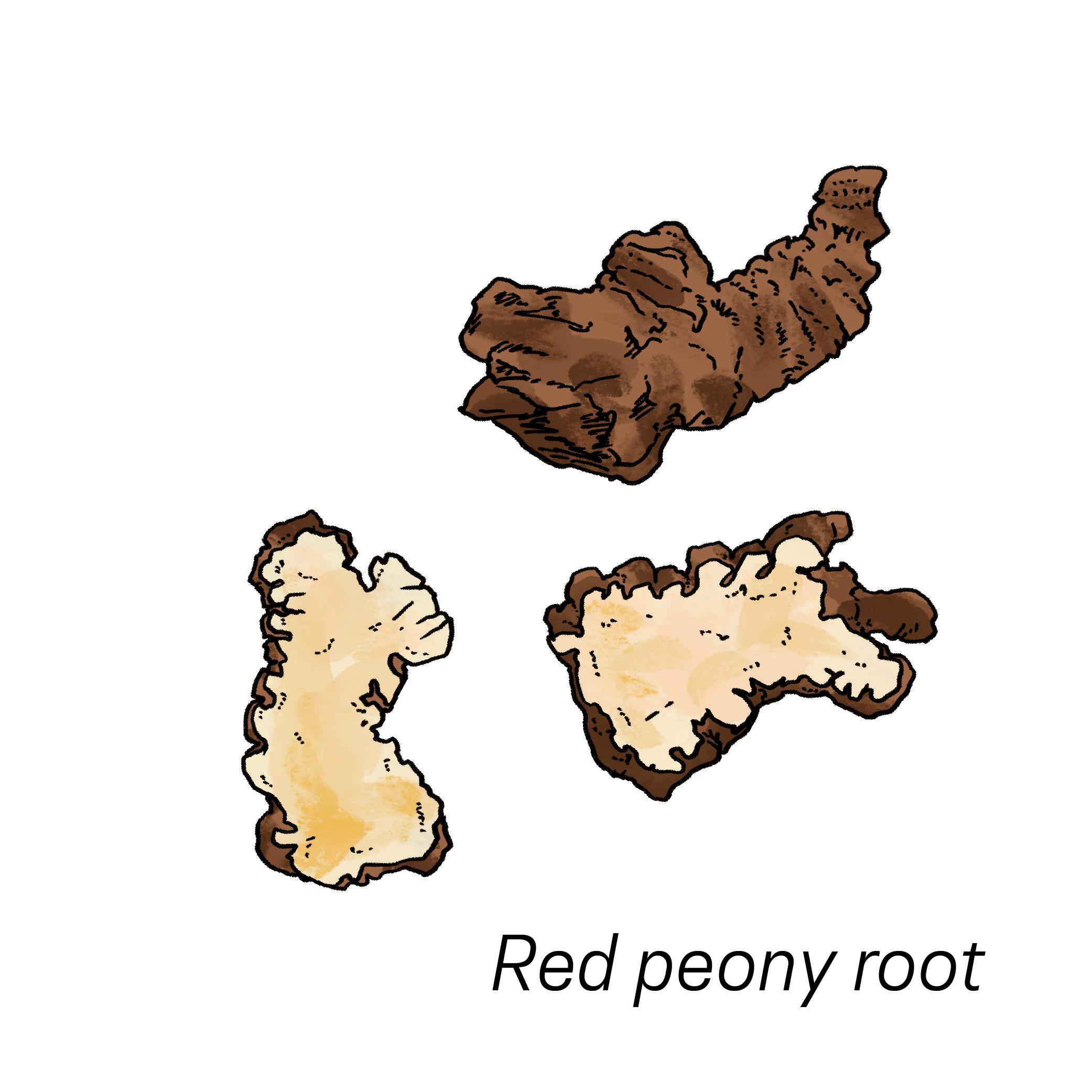
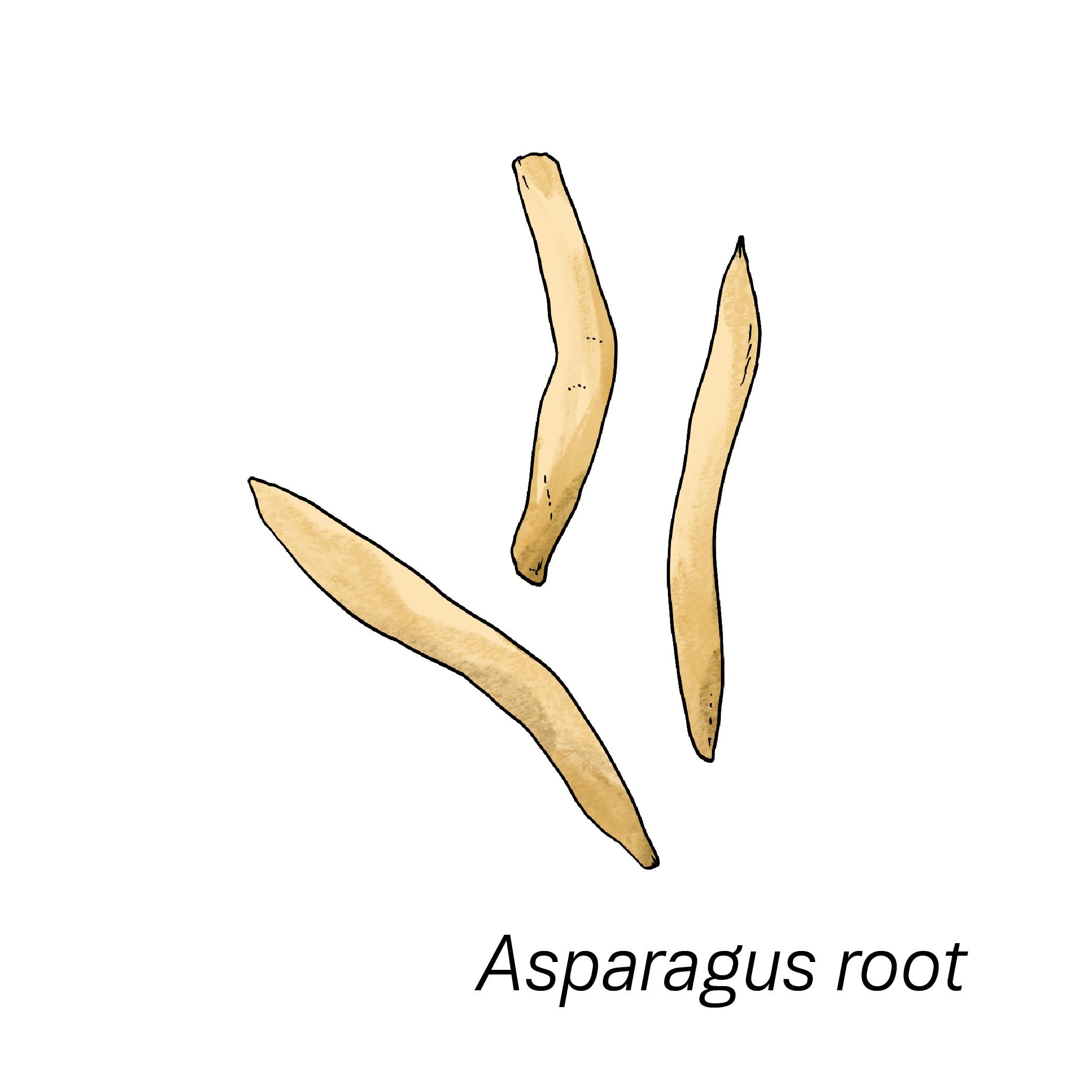
Oils are more readily absorbed by the skin, she said, and their skin-friendly properties help medicinal ingredients penetrate while maintaining hydration.
Wait until the application is almost dry, then wash it off with water. This formula promotes circulation around the eyes and reduces puffiness. Angelica dahurica also has whitening properties that help fade dark spots. However, Angelica dahurica is photosensitizing, so it is recommended to use it at night to avoid daytime sun exposure, she said.
3 Key Points to Delay Aging
To truly delay aging, we still need to return to our daily habits. Chen highlighted three key points:
Regular Exercise: Promotes blood circulation and improves complexion.
Moderate Diet: Avoid unbalanced diets and excessively cold or hot foods; eat only the appropriate amount of food your body needs.
Sufficient Sleep: Chronic sleep deprivation accelerates aging.
How to Repair Sagging Facial Bones
Bone-strengthening Chinese medicine often works by tonifying the kidneys, promoting blood circulation to support bone formation, and treating osteoporosis, Chen said. Decoctions are the primary method of administration, as their high concentrations provide more efficacy.
TCM focuses on improving overall health rather than pursuing immediate results. From a nutritional perspective, traditional Chinese medicinal herbs contain a variety of natural compounds. Through long-term conditioning, subtle changes can often be seen, such as improved mental state, reduced fatigue, and clearer thinking in the morning, thereby slowing the overall aging process.
Acupressure and Spleen/Stomach Massage
Promoting blood circulation around the eyes can help reduce eye puffiness. Chen suggests massaging the Jingming acupoint at the inner canthus of the eye, along the acupoints on the inner side of the brow bone to the temple, and the Chengqi and Sibai acupoints below the eye socket. Gently massaging these points five to 10 times daily promotes blood circulation around the eyes, making them look brighter.
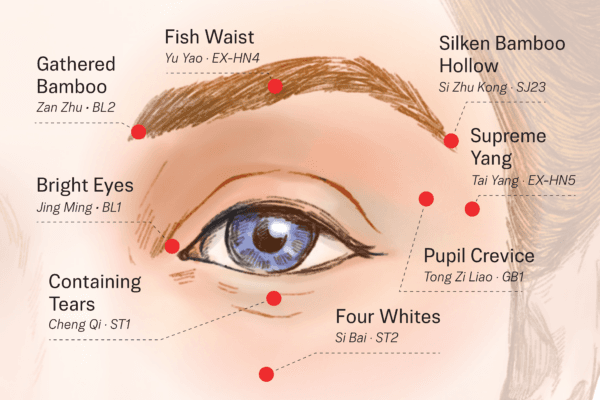
Other options include commercially available steam eye masks for heat therapy and acupuncture performed by a doctor at a TCM clinic. Chen found that acupuncture helps lift facial muscles when treating patients with melasma, a skin condition causing hyperpigmentation on the face. Acupuncture at appropriate depths can stimulate collagen production and enhance local blood circulation, helping reduce sagging under-eye bags.
Strong spleen and stomach function, which enhances the transportation and transformation of fluids, can also help reduce eye bags. The following exercises help promote strong spleen and stomach function:
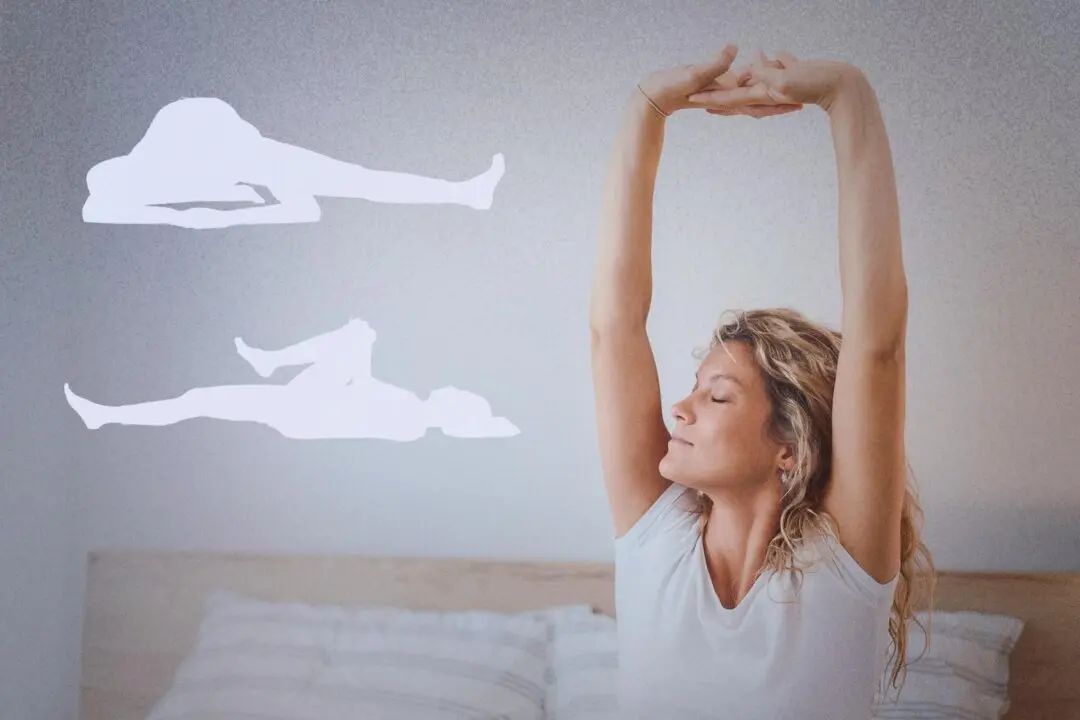
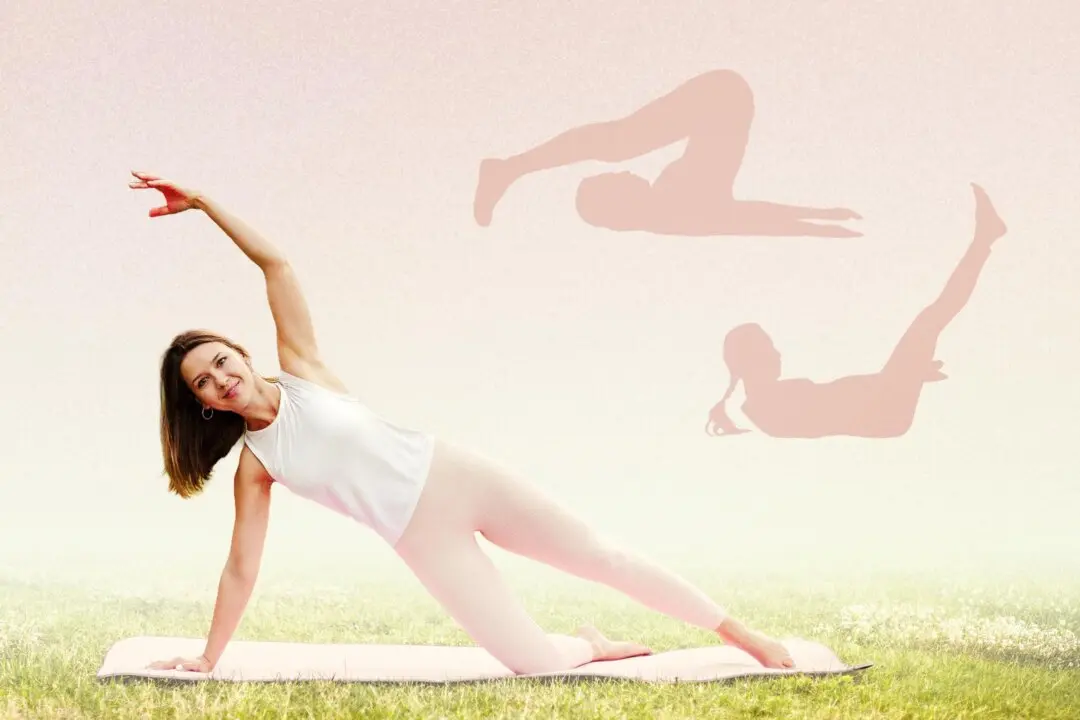
5 Abdominal Massage Exercises to Strengthen Gastrointestinal Circulation
A few easy-to-do exercises improve the appearance of under-eye puffiness: