
In traditional Chinese medicine (TCM), winter is considered at its peak when the cold is at its strongest—a point when the sharp drop in temperature can weaken the body’s immune defenses, making it harder to fight off viruses.
External elements that make can you sick are called pathogenic qi, and among these, is cold. Exposure to cold can be detrimental to health, as it is believed to deplete yang qi—a vital, warming energy. When warming energy is weakened by low temperatures, the body becomes more prone to illness.
Additionally, cold temperatures can slow blood flow, leading to symptoms such as cold, stiff hands and feet, and muscle and joint discomfort. Poor circulation during winter is also linked to an increased risk of cardiovascular conditions, including stroke.
Boost Immunity Through Diet
According to TCM, food carries properties similar to medicinal herbs—namely, cold, hot, warm, or cool in nature.During winter, limiting cold or cooling foods such as watermelon and favoring those that are neutral or warming, such as black tea or dishes seasoned with warming spices such as pepper and cinnamon, can help maintain the body’s internal balance.
Chinese Chives
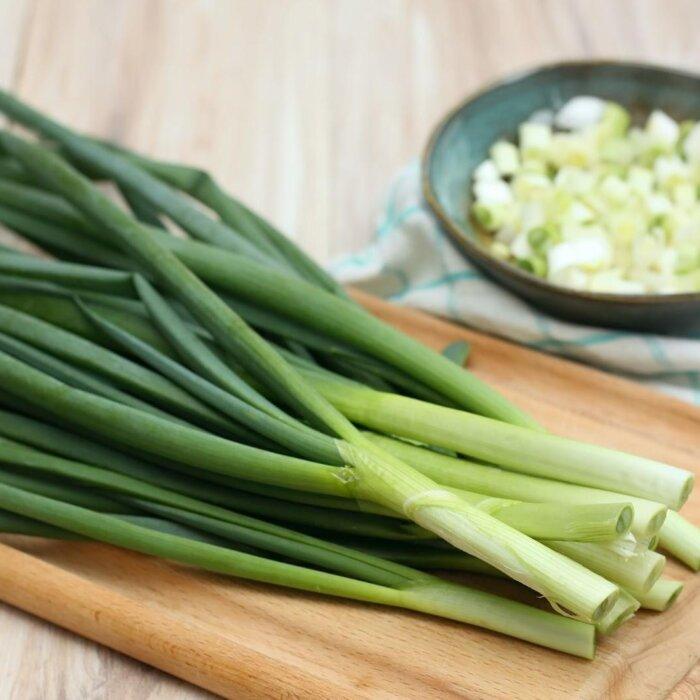
In TCM, kidney yang is considered the foundation of the body’s overall yang energy—much like a furnace that provides continuous warmth. It powers metabolism, circulation, and vitality, and supports the health of the lower back, knees, bones, and reproductive system. Chive seeds are believed to be particularly effective in enhancing kidney yang and helping the body stay warm, energetic, and resilient, especially during the winter months.Chinese Yam
Chinese yams nourish both the kidneys and the spleen. According to TCM, strengthening these two organs is essential for boosting immunity.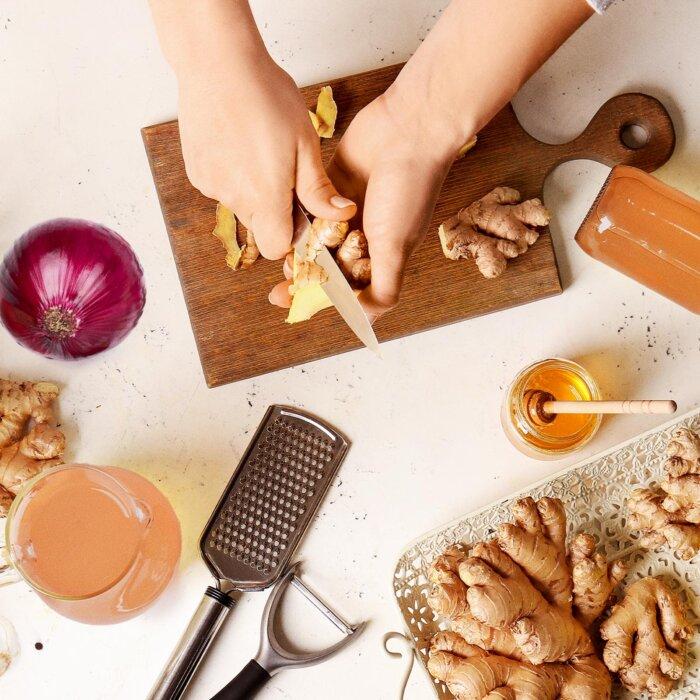
Pumpkin
Pumpkin helps boost the body’s warming energy and helps you stay warm in the winter. Moreover, it is moisturizing, which helps nourish the body, prevents dryness from cold air, and strengthens immunity.Cinnamon Powder
Cinnamon powder can help boost yang energy.For people who are physically weak and prone to mouth ulcers—a condition classified in TCM as “deficient heat”—taking small amounts of cinnamon powder can also be beneficial.
Black-Colored Foods
Winter is considered the optimal season for nourishing the kidneys, and in TCM, black-colored foods are believed to support kidney health. Examples include black sesame seeds, black fungus, black rice, and black beans.Black sesame paste is rich in healthy fats and minerals and has traditionally been associated with hair vitality. It also provides dietary calcium, which may be particularly relevant in winter, when reduced sunlight can impair vitamin D production and calcium absorption.
Personalizing Winter Nourishment Based on Body Constitution
Apart from the above dietary suggestions, many families prepare herbal soups during the winter to nourish the body. However, when selecting the right foods for winter nourishment, it is essential to consider the individual’s body constitution.1. Cold-Deficient Constitution
People with a cold-deficient constitution often experience cold hands and feet, as well as soft or loose stools—signs of weakened digestive function. During the winter, they may notice a reduced appetite and a sensation of food sitting heavily in the stomach, indicating internal cold in the digestive system.For these people, warming foods or yang tonifying food such as dried ginger—as opposed to fresh ginger—is particularly beneficial, as it has a stronger warming effect on the stomach.
Suitable tonic recipes include 10 Complete Great Tonic Decoction (Shi Quan Da Bu Tang), ginger duck stew, and lamb and codonopsis congee, which help replenish the warming energy and strengthen the body. The lamb congee tonic recipe is also recommended for older adults who often experience reduced vitality and increased cold sensitivity during the winter months.
- 3.5 ounces lamb
- 1.8 ounces japonica rice
- 1.1 ounces codonopsis root (dang shen)
- 0.5 ounces astragalus root (huang qi)
- 0.4 ounces goji berries
- 7 Chinese red dates
- 5 slices fresh ginger
- 8 to 10 cups water (adjust for desired thickness)
- Salt to taste
- Briefly blanch lamb in boiling water to remove impurities, then cut into small pieces.
- Thoroughly rinse remaining ingredients and add to a pot with lamb and water.
- Bring to a boil over high heat, reduce heat and simmer for about one hour.
- Season with salt to taste and serve warm.
2. Heat-Excess Constitution
People with a heat-excess constitution often experience symptoms such as autonomic nervous system imbalance, poor sleep quality, mouth ulcers, acne, or signs of internal inflammation.Chicken Soup With Setaria viridis (Cooling Herbal Soup)
Ingredients- 1 whole chicken leg (or an approximately 12-ounce bone-in chicken), skin removed
- 0.7 to 1 ounce Setaria viridis (green foxtail grain) washed
- 6 to 8 cups water
- 3 slices fresh ginger (optional; omit if strong heat symptoms)
- Salt to taste
- Blanch the chicken briefly in boiling water (2 to 3 minutes) to remove impurities; rinse.
- Rinse Setaria viridis thoroughly and drain.
- Add the chicken, Setaria viridis, water, and ginger (if using) to a pot.
- Bring to a boil over high heat, then reduce to low and simmer gently for 60 to 90 minutes.
- Season lightly with salt and serve warm.
3. Neutral Constitution
Those with a neutral constitution can generally tolerate both warming and cooling foods. A mild and balanced approach to nourishment is most effective.Important Considerations When Using Tonic Foods
When using tonic foods for nourishment, eat them in small amounts and at regular intervals, rather than all at once.It is also important to consider your current health condition. For example, tonic foods should be avoided during a cold, as they may worsen the illness and aggravate symptoms.
People with chronic conditions such as high blood pressure, high blood sugar, or high cholesterol should exercise caution. It is advisable to start with small portions and observe how the body responds.
Winter Wellness Practices for Better Circulation and Warmth
Apart from specific foods for specific body constituents, the following winter wellness practices can help improve circulation and promote overall warmth:Go to Bed Early and Wake Up Late
Ancient Chinese health practices recommend going to bed early and waking up later during the winter months.Keep Key Areas Warm
Maintaining warmth is essential in winter. For instance, use warm water when brushing your teeth, as cold water may irritate or damage tooth enamel.Particular attention should be given to keeping the lower back and neck warm. In TCM, the lower back is regarded as the center of kidney yang and plays a key role in warming the entire body.
Incorporate Leg-Binding Therapy
For people who experience cold hands and feet at night, binding the legs before sleep can be an effective technique. Leg binding involves using straps approximately 2 inches wide to tie three areas: above the knees, below the knees, and above the ankles.Many who have tried this approach report that their bodies begin to generate warmth naturally, as if equipped with an internal heater. Those who frequently experience cold extremities have noted significant improvement after incorporating this practice into their nighttime routine.
- Alleviates cold hands and feet
- Supports immune function by raising body temperature

Another method for keeping the body warm involves placing both hands over the lower abdomen during sleep. For men, the left hand should rest underneath the right; for women, the right hand should be placed underneath the left.
In addition to physical warmth, emotional regulation is a vital aspect of winter wellness.
Winter is a season when natural energy contracts and turns inward. To stay in harmony with this seasonal rhythm, it is important to maintain emotional calm, avoid excessive anger, and refrain from indulging in intense desires-such as chronic overwork, late-night stimulation, or emotionally draining conflicts.