A patient in his 60s with long-standing hypertension came to my clinic. He experienced severe vertigo to the point that he considered going to the emergency room. Although the symptoms initially suggested a possible inner ear issue, further evaluation identified misalignment of the first cervical vertebra as the underlying factor. After cervical structural adjustment combined with acupuncture, the vertigo subsided, and his blood pressure became more stable.
Such cases suggest that, in some people, blood pressure fluctuations and dizziness may be associated with the structural and functional state of the cervical spine. However, the relationship is complex and not fully understood.
How Cervical Spine Problems May Affect Blood Pressure
The connection between cervical spine problems and blood pressure may involve two key pathways: nervous system regulation and blood flow to the brain (vascular blood flow).Effects on the Sympathetic Nervous System
Nerves that run through and around the cervical spine help regulate heart rate and blood vessel function.When the cervical spine becomes misaligned because of degeneration, poor posture, muscle tension, or structural changes, surrounding tissues may influence sympathetic nerve activity.
Overactivity of the sympathetic nervous system may cause blood vessels to constrict and the heart to beat faster. Some people may experience symptoms such as palpitations, chest discomfort, and blood pressure fluctuations.
Effects on Cerebral Blood Flow
In addition to nervous system regulation, the cervical spine may affect blood flow to the brain.

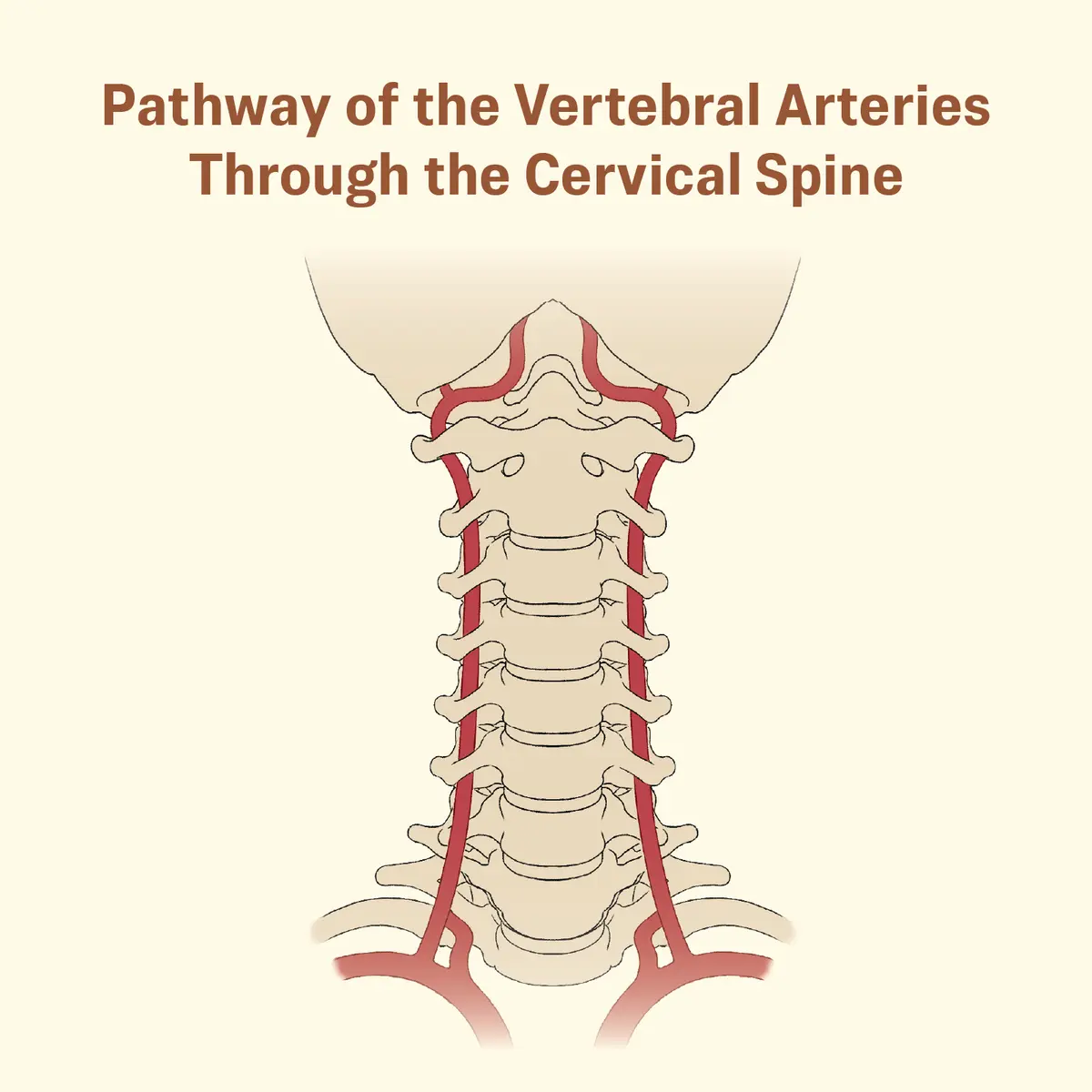
The vertebral arteries pass through the cervical spine and carry blood upward to vital areas of the brain. Structural misalignment in this area or tension in the surrounding muscles may affect blood flow.
As mentioned earlier, studies have shown that patients with cervical spondylosis have a slightly higher risk of dizziness compared with a control group.
Possible Health Effects of Cervical Spine Problems
Clinically, the effects of cervical structural problems are not limited to changes in blood pressure. Some patients can also experience a range of other symptoms.1. Cardiovascular-Related Symptoms
The sympathetic nervous system is involved in regulating heart rhythm. When chronic neck tension or compression affects sympathetic nerve activity, some people may experience palpitations, chest tightness, a faster-than-usual heartbeat, or irregular heart rhythms.2. Poor Sleep Quality
The sympathetic nervous system affects the body’s ability to relax and fall asleep. When it remains relatively overactive for a prolonged period, it can interfere with both sleep onset and sleep quality.3. Head and Visual Symptoms
Changes in cervical structure or muscle tension may contribute to dizziness, a sensation of head pressure or fullness, blurred vision, eye fatigue, or a sensation of elevated eye pressure.4. Cognitive Symptoms
In clinical practice, some patients with chronic neck tension report difficulty concentrating, memory problems, or slower reaction times. These symptoms may have multiple contributing factors and should be evaluated in the context of the person’s overall health.Home Self-Care: Relaxing the Wind Pool Acupoint
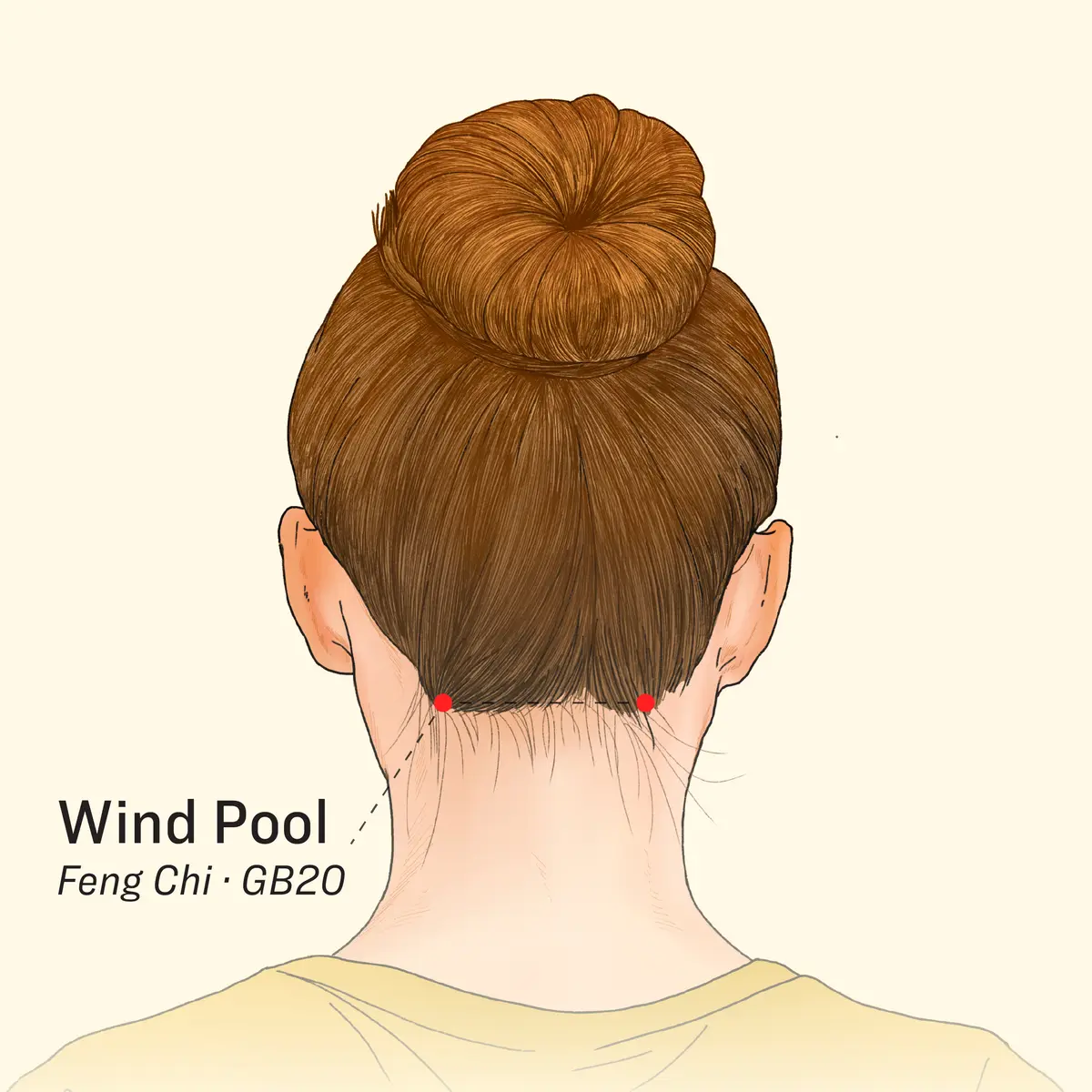
Regular daily care can also help maintain the stability of the cervical spine and the surrounding muscles.For a period of time, I experienced discomfort around the first cervical vertebra (C1). The area near the feng chi (wind pool, GB20) acupoints often felt tight and heavy, and my entire head felt uncomfortable as well.
After trying different approaches, I found that this simple exercise gradually helped release the tension in that area.
This acupoint is located at the base of the skull, in the depression where the skull meets the neck. When you trace downward along the back of the head, it can be identified as a point that feels resistant to upward pressure and firm when pressed inward.
To perform the technique:
Perform all movements gently and avoid excessive force, especially if dizziness or discomfort is already present.
Without a professional assessment, it can be difficult to determine which side is tighter or misaligned. Performing the technique symmetrically on both sides helps promote gradual relaxation of the neck muscles and allows the body to return to a more balanced state.
As the neck muscles relax, some people may experience reduced head pressure, less dizziness, and improved comfort.
TCM Treatment Approach
For blood pressure fluctuations that may be related to the cervical spine, traditional Chinese medicine (TCM) often emphasizes addressing structural issues first, followed by internal regulation.Addressing Cervical Spine Problems
When neck muscle tension or restricted joint mobility is identified, a TCM practitioner will usually begin with appropriate methods such as therapeutic massage (tui na), acupuncture, acupressure, or herbal medicine to help relax the cervical tissues and improve range of motion.Individualized Treatment
In TCM, neck- and cardiovascular-related symptoms are often not viewed in isolation. Instead, they may arise from different underlying patterns that affect the flow of qi and blood throughout the body. Thus, treatment is tailored to the person’s overall constitution and contributing factors.In others with signs of sluggish circulation or metabolic imbalance, symptoms such as heaviness, dizziness, or a feeling of blockage may be interpreted as phlegm or blood stasis patterns. Treatment may therefore focus on resolving phlegm and promoting blood circulation, with the goal of improving overall flow and reducing obstructive sensations in the neck and body.
Adjusting Medication Under Medical Supervision
Those taking antihypertensive medication should continue their prescribed regimen, and any changes should be made only under medical supervision.Once blood pressure gradually stabilizes, a medical doctor may assess whether the medication dosage should be adjusted.
Stopping medication or reducing the dosage rapidly may increase the risk of blood pressure fluctuations.
Persistent neck stiffness, restricted movement, dizziness, or unexplained blood pressure fluctuations may sometimes be associated with cervical spine dysfunction.
Taking care of cervical spine health, along with making appropriate lifestyle adjustments, can help reduce blood pressure fluctuations. From a holistic perspective, understanding the body’s structure and function—and making gradual adjustments through proper care—may be more beneficial for long-term health than addressing symptoms in isolation.