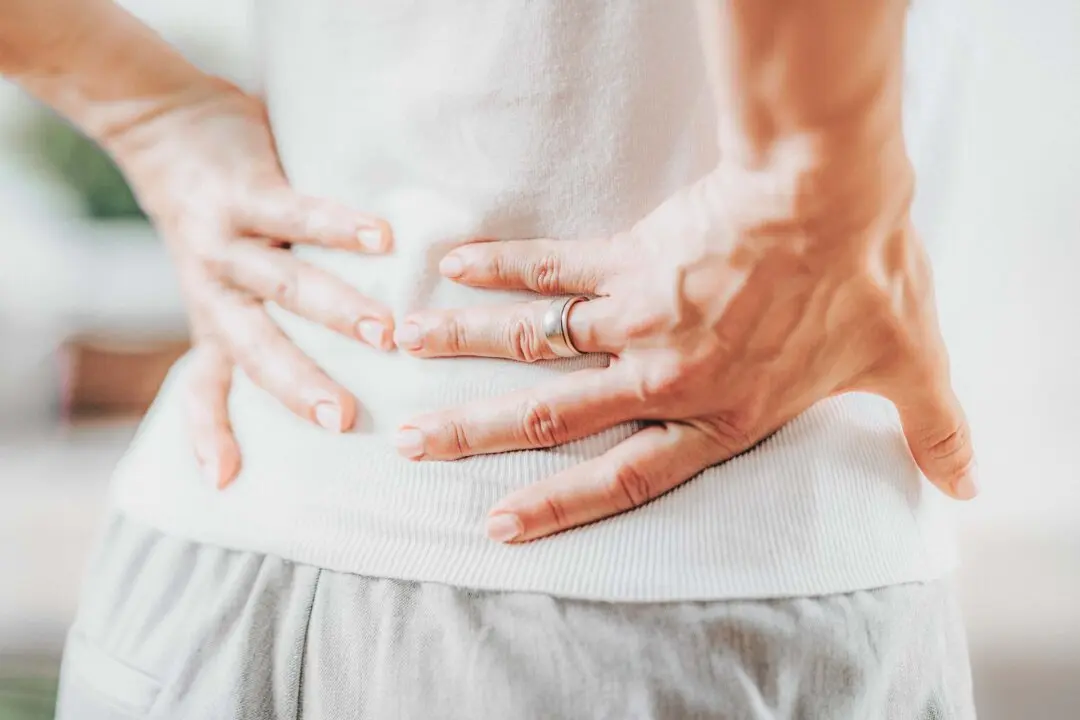
Have you ever had a painful experience with sciatica? Sciatica pain is associated with tingling, numbness, weakness, and even an electric-shock-like or burning pain from the waist down to the feet. However, sciatica is only a symptom. What is its cause? Dr. Chen Chaolong from Quansheng Traditional Chinese Medicine Clinic in Taiwan provided a few ways to relieve acute pain. Here are nine self-rehabilitation exercises he suggested.
Sciatica Causes
Sciatica is what modern medicine calls it. Traditional Chinese medicine (TCM) calls the condition “pain in the lower back and legs.” Sciatica affects many people, but definitive data on its incidence and prevalence are still lacking. An estimated 5 to 10 percent of people with low back pain also suffer from sciatica. Well-established personal and occupational risk factors for sciatica include age, height, stress, smoking, and exposure to vibrating vehicles.The causes of sciatica pain can be roughly divided into four categories:
- Trauma: When the spine is struck by an external force, such as in a car accident, it results in compression of the sciatic nerve.
- Degeneration: This occurs mainly in the elderly. As one ages, the spinal ligaments become weaker, resulting in the progressive hollowing of the bone marrow. In addition, as the space between the vertebrae narrows, the intervertebral foramen gets squeezed, resulting in pain caused by nerve compression.
- Poor posture: The lumbar spine is often subject to undue pressure, such as when a person has poor posture, tilts their pelvis forward too much, sits for a prolonged period, wears high heels too often, twists their back too much, and other factors. In this case, the spine is compressed, and the intervertebral disc is herniated, which squeezes the nerve.
- Inflammation of the piriformis muscle: If the piriformis muscle in the buttocks is inflamed and swollen, it will press on the sciatic nerve below, causing pain.
According to Chen, the most common cause of pain in clinical practice is the third one mentioned above: debilitating sciatica caused by poor posture.
9 Stretches for Acute Pain Relief
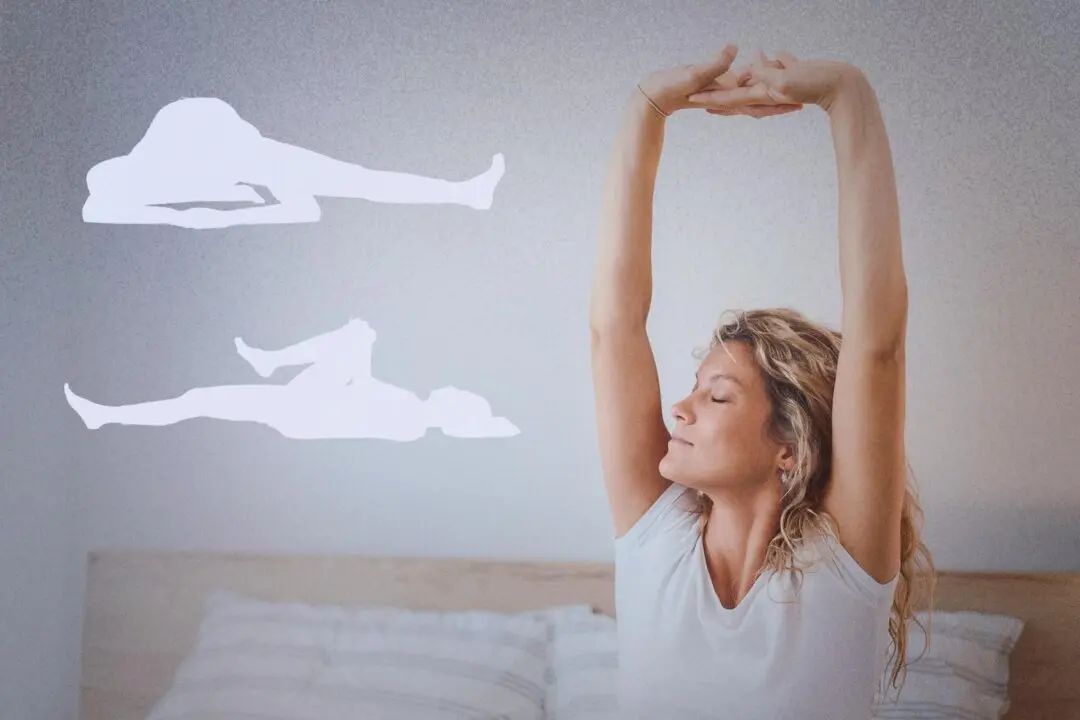
Chen believes that lying down is the best way to relieve acute pain quickly. Whether sitting or standing, the body’s muscles will be stretched one way or another, and the inflamed muscles cannot be relieved. He asserts that the real cause of many lower back pains is stiffness in the back muscles. When you lie down, your back muscles are released from being stretched. Lying down is also suitable for relieving stomach aches and menstrual pain.The second step is to do soothing and stretching exercises for the tight back. Here are nine stretches to try:
1. Abdominal curl lying down: Lie on a yoga mat and curl your legs into your chest. Rest your hands by your sides, palms down, and press your hands into the ground. Use your core strength to lift your legs straight up or back over your head as far as is comfortable.
2. Abdominal curl in a sitting position: Sit on a yoga mat and straighten your legs, letting your gluteal muscles work hard. Put your hands on the back of your head and bend forward as far as possible. Press your hands into the back of your head, but press back with your head to resist.
3. One-knee chest hug: Lie on a yoga mat. Bend and pull on one knee until it hugs your chest, and hold it there for 10 seconds. Then, switch to the other knee.

Abdominal curl lying down. The Epoch Times

Abdominal curl in a sitting position. The Epoch Times

One-knee chest hug. The Epoch Times
4. Double knees chest hug: Lie on your back on a yoga mat, pull in both knees with your hands until they hug the chest, and hold for 10 seconds.
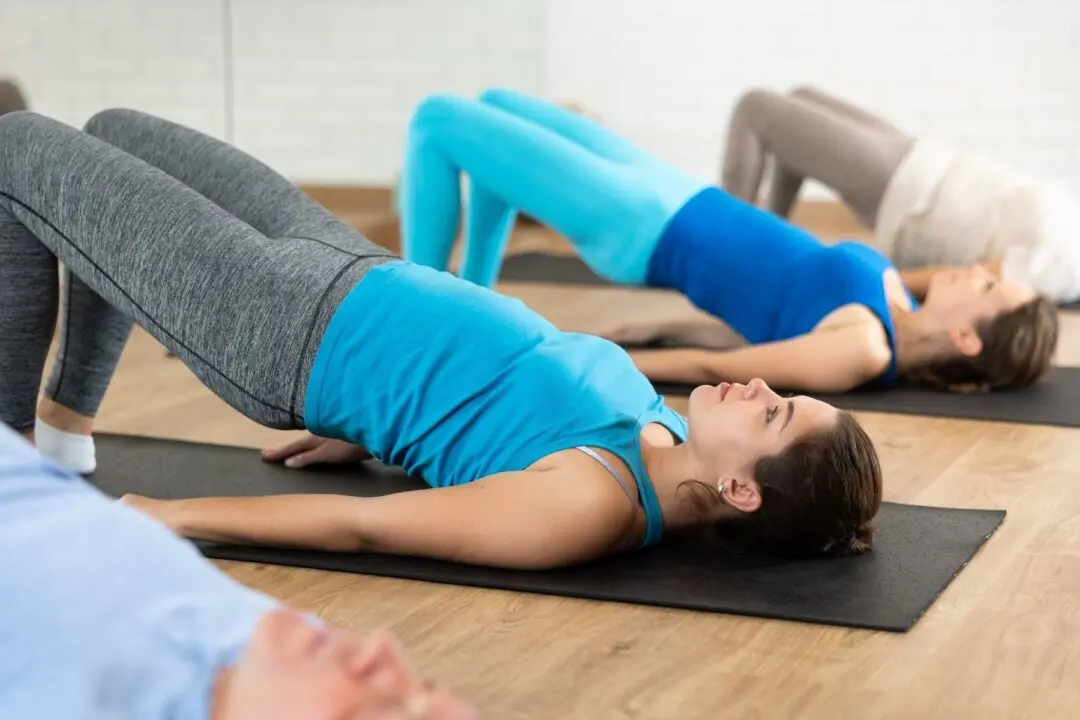
5. Retroverted pelvis: Lie on a yoga mat, bend your knees, and place your feet flat on the ground. Roll your pelvis backward, pressing your back to the ground without any gaps. Hold the pose for 10 seconds.
6. Half sit-ups: Lie on your back on a yoga mat and, keeping your pelvis tilted backward, put your hands on the back of your head. Gently lift your shoulders off the ground until the lower edges of your shoulder blades are off the ground. Stay for about two seconds and then lower slowly.

Double knees chest hug. The Epoch Times

Retroverted pelvis. The Epoch Times

Half sit-ups. The Epoch Times
7. Stretch your legs: Sit on a yoga mat with your legs straight together and your toes pointing up. Bend forward as far as possible and reach for your toes.
8. Stretch your hamstrings: Stand with your right foot forward and extend your left foot as far back as possible. Bend your forward knee to 90 degrees. Maintain this pose for 10 seconds. Then, switch legs.
9. Figure-4 stretch: If your pain is caused by inflammation of the piriformis muscle, try this stretch. Lie on a yoga mat, put your right ankle on your left thigh, and hold the left thigh with both hands. Hold for 12 to 15 seconds, then switch legs.

Stretch your legs. The Epoch Times

Stretch your hamstrings. The Epoch Times

Figure-4 stretch. The Epoch Times
According to TCM theory, the meridian is the energy channel of the human body, which is responsible for transporting qi and blood to the whole body. These essential substances constitute the body and maintain all physiological activities. Some points on the meridians that have special functions are called acupoints. Stimulating the corresponding acupoints through acupuncture and massage can treat related diseases.
Chen also mentioned 10 acupoints for pain relief:
- Shenshu (BL23) and Dachangshu (BL25) on the waist
- Zhibian (BL54)
- Huantiao (GB30) and Chengfu (BL36) on the buttocks
- Weizhong (BL40), Weiyang (BL39), Chengshan (BL57), Fengshi (GB31), and Zhongdu (GB32) on the feet
Diet Considerations
Sciatica can also be considered acute inflammation. Chen advised those with sciatica to avoid four things as much as possible:- Cold food: TCM believes that “cold causes contraction.” This means that cold food will make the muscles stiff and unable to relax at will.
- Sweets
- Fried food
- Spicy food
Chen further suggested two more foods to incorporate when you have inflammation:
- Protein: Adequate protein intake can help maintain muscle mass, possibly preventing further inflammation and helping the body recover.
- Dark green vegetables: The primary nutrients common in dark green vegetables are vitamin A, vitamin K, folic acid, chlorophyll, and various phytochemicals, among others.