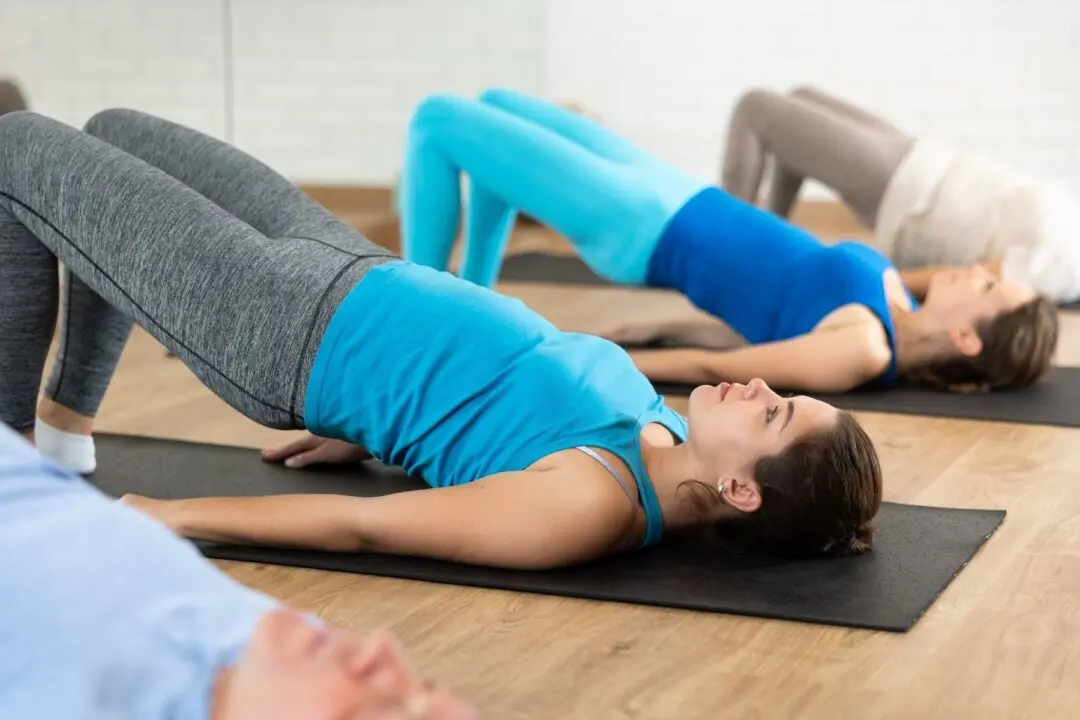
If you find it particularly difficult to stand up after a side lunge, be careful—it might be “gluteal amnesia.” As a fitness coach, I teach three moves to help activate your gluteal muscles.
Why Glutes Acquire ‘Amnesia’
Prolonged sitting and various other activities habitually use the quadriceps to replace the force that should be borne by the glutes. When incorrect force-exertion patterns persist, they can increase the burden on the joints. Everyday activity examples include:- Walking Downstairs or Downhill: Walking downstairs is essentially a single-leg squat and involves eccentric contraction of the glutes. A weak glute is likely to transfer force to the knees and thighs, increasing the risk of knee pain.
- Walking Upstairs or Uphill: If the glutes are not used effectively, over-reliance on the quadriceps may occur. When the quads are overused and overburdened, pressure on the hip joint may increase significantly.
- Lifting Heavy Objects: If you do not properly engage your hips and glutes, you are likely to compensate with your lower back, leading to lower back pain and even injury.
3 Ways to Activate Your Glutes
If you don’t feel soreness during training, it doesn’t mean your glutes are strong; it may mean they haven’t yet been activated. When the movements are performed correctly, you should usually feel a noticeable sensation on the outer and back of your glutes, which is a sign that the muscles have been effectively activated.1. Hip Hinge Lateral Push
Step 1: Stand with one foot slightly in front of the other, with about 70 percent of your weight on your front foot and your back foot lightly touching the ground.If you do not feel the exercise in your glutes, it is likely because your weight has unconsciously shifted back to the center of gravity or to your back foot, preventing effective activation of the gluteal muscles. When performed correctly, you should feel it immediately in your glutes.
2. Hip Hinge Reverse Push
Step 1: Stand with one foot slightly in front of the other, with approximately 70 percent of your weight on your front foot and your back foot lightly touching the ground.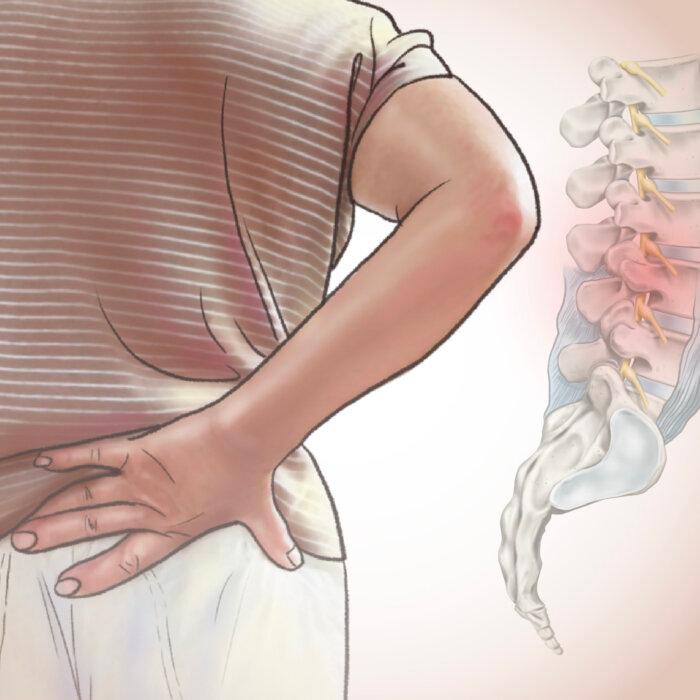
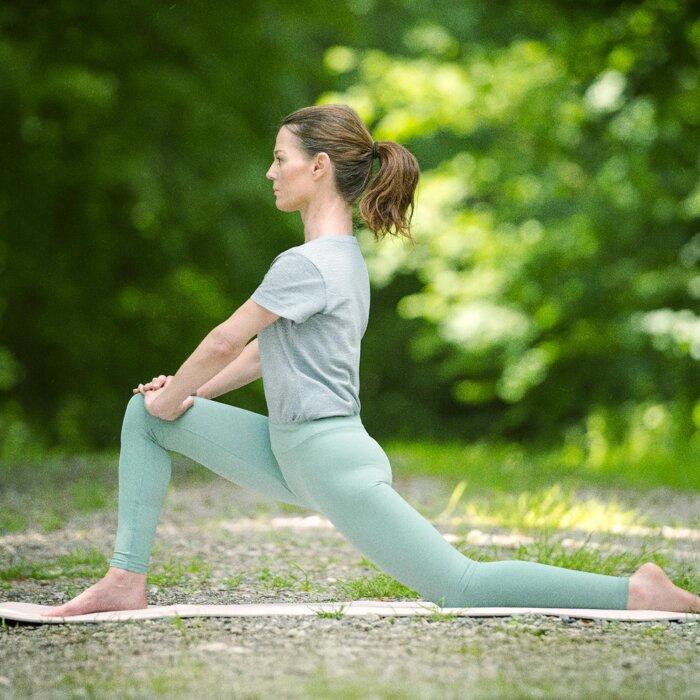
Viewed from the side, the body will appear to move in a “sit back, then stand up” motion. After performing this correctly three to five times, you should feel it in the back of your buttocks.
3. Clamshell
Step 1: Lie on your side, keeping your elbow, hip, and ankle in a straight line.For an advanced version, you can add resistance bands to your legs, or adopt a side plank position, lifting your body off the ground before performing the clamshell opening and closing motion. During the process, the body needs to remain stable, avoiding back-and-forth swaying, and focusing on engaging the outer gluteal muscles.
Performing these exercises regularly will remind your gluteal muscles to stay engaged, helping to ease lower back and knee pain.