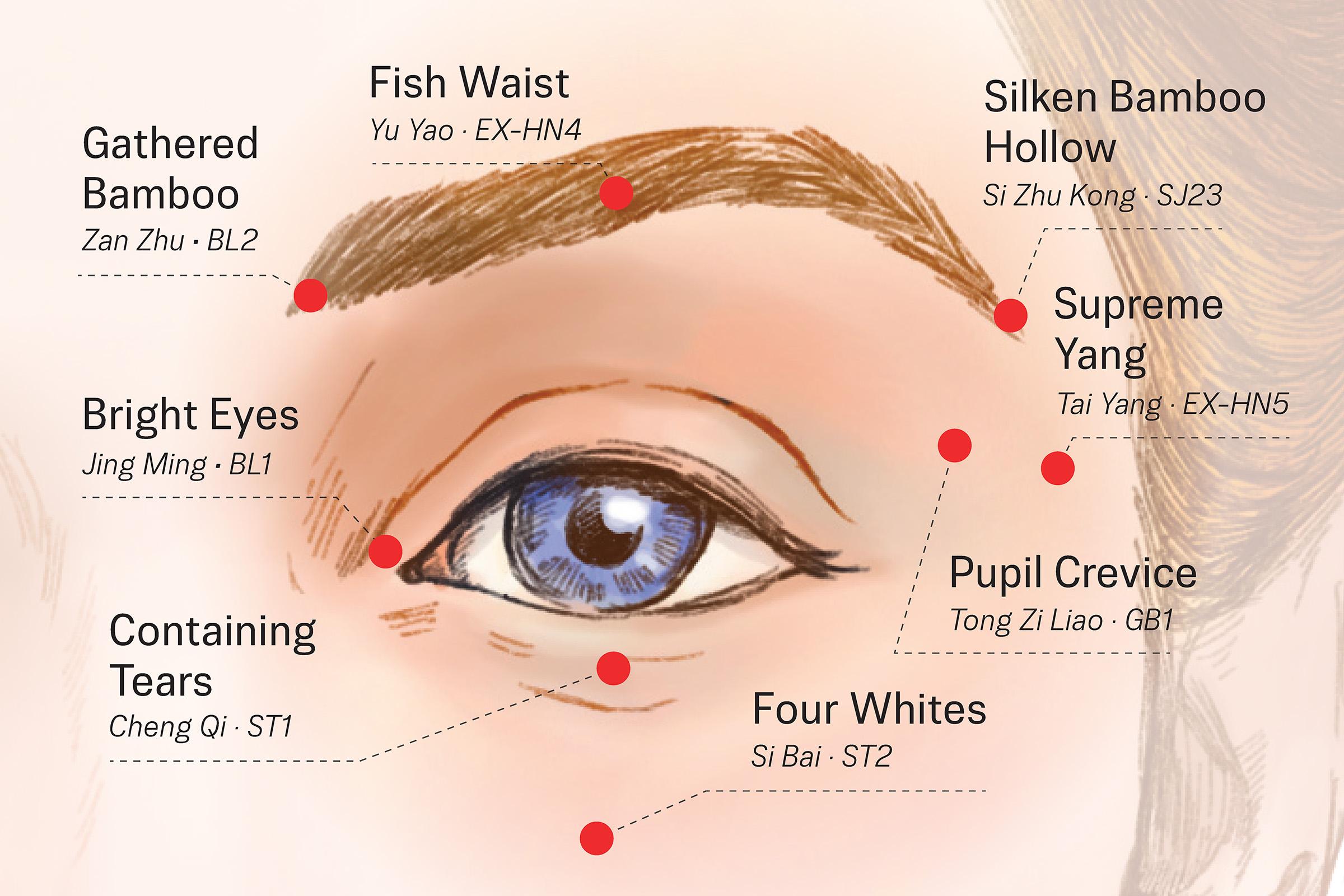
In today’s highly digitalized lifestyle, eye health problems are on the rise. Chang Wei-Chun, a nutritionist, sports coach, and author, told The Epoch Times that proper diet and nutritional supplementation can help maintain eye health and reduce the risk of vision degeneration. He also shared four simple, practical eye exercises to help relieve discomfort from prolonged screen use.
Dry Eye Syndrome: Omega-3 Is Key
Prolonged screen time and reduced blinking are among the main causes of dry eye syndrome. Studies show that supplementing with omega-3 fatty acids (EPA and DHA) can help improve dry eye symptoms. Omega-3 has anti-inflammatory properties, which may improve the quality of the lipid layer in tears, helping keep eyes moisturized and reducing dryness and discomfort.Macular Degeneration: Lutein and Zeaxanthin
The nutrients that have received the most research support for improving macular degeneration are lutein and zeaxanthin. Chang noted a large-scale, 10-year follow-up study that found supplementing with these two nutrients may help slow the progression of macular degeneration, making them a common core ingredient combination in commercially available eye health supplements.Lutein and zeaxanthin are commonly found in dark green vegetables, such as spinach, kale, and sweet potato leaves. The darker the vegetable, the higher the variety and content of beneficial micronutrients it usually contains, and its overall nutritional value is generally superior to that of its light-colored counterparts. Although pumpkin, yellow bell peppers, and carrots also contain lutein and zeaxanthin, the amounts are comparatively lower.
Lutein and zeaxanthin are fat-soluble phytochemicals and need to be cooked with a suitable amount of oil to improve their absorption rate, Chang said. He recommends about 1.5 cups of cooked dark green vegetables daily.
As with other eye diseases, such as cataracts and glaucoma, there is currently no clear evidence that specific nutrients have therapeutic effects. Chang suggested that for related eye conditions, regular medical follow-ups and treatment should be prioritized, with nutritional supplements serving as supportive care. These supplements can be combined with other nutrients beneficial to eye health for overall maintenance.


Anthocyanins: Powerful Antioxidant Nutrients
Anthocyanins contribute to eye health and possess antioxidant and anti-inflammatory effects. They are commonly found in berries such as blueberries, blackcurrants, mulberries, grapes, and cranberries. Anthocyanins are mostly concentrated in the dark purple or dark blue surface of the fruit. The darker the color, the higher the content.If the peel is removed when eating grapes, although the pulp still contains a small amount of anthocyanins, most of the nutrients are lost.
Carotene and Vitamin A: Essential Eye-Protecting Nutrients
Vitamin A and carotene are well-known nutrients that support eye health and are commonly found in carrots, pumpkins, and sweet potatoes. When cooking these foods, it is recommended to add a suitable amount of oil to improve their absorption.Too Much of 4 Types of Foods May Harm the Eyes
The eyes are full of tiny blood vessels, Chang said. An improper diet can negatively affect eye circulation and health. The following four types of food should be eaten with particular care:Eye Health Supplements
Among eye health supplements, Chang highly recommends fish oil. Dietary guidelines recommend eating fish twice a week, but if there are concerns about heavy metal contamination in deep-sea fish, or if sufficient EPA and DHA cannot be obtained from freshwater fish, fish oil may be a suitable alternative, he said.The recommended daily intake of fish oil is approximately 1,000 to 2,000 milligrams of EPA and DHA. When purchasing, pay attention to the product concentration and the following factors:
4 Eye Exercises to Relieve Eye Fatigue
In addition to diet and nutritional supplements, moderate eye exercises may also help maintain eye health.