When Harvard medical student Nick Norwitz switched from his usual meat-based ketogenic diet to a vegan version, his low-density lipoprotein (LDL) cholesterol—the so-called “bad” cholesterol—shot up by 14 percent in just one week. Similarly, fellow researcher Dave Feldman saw his LDL more than double after transitioning from a pizza-and-candy-heavy diet to vegan keto.
When a Plant-Based Diet Fails to Lower Cholesterol
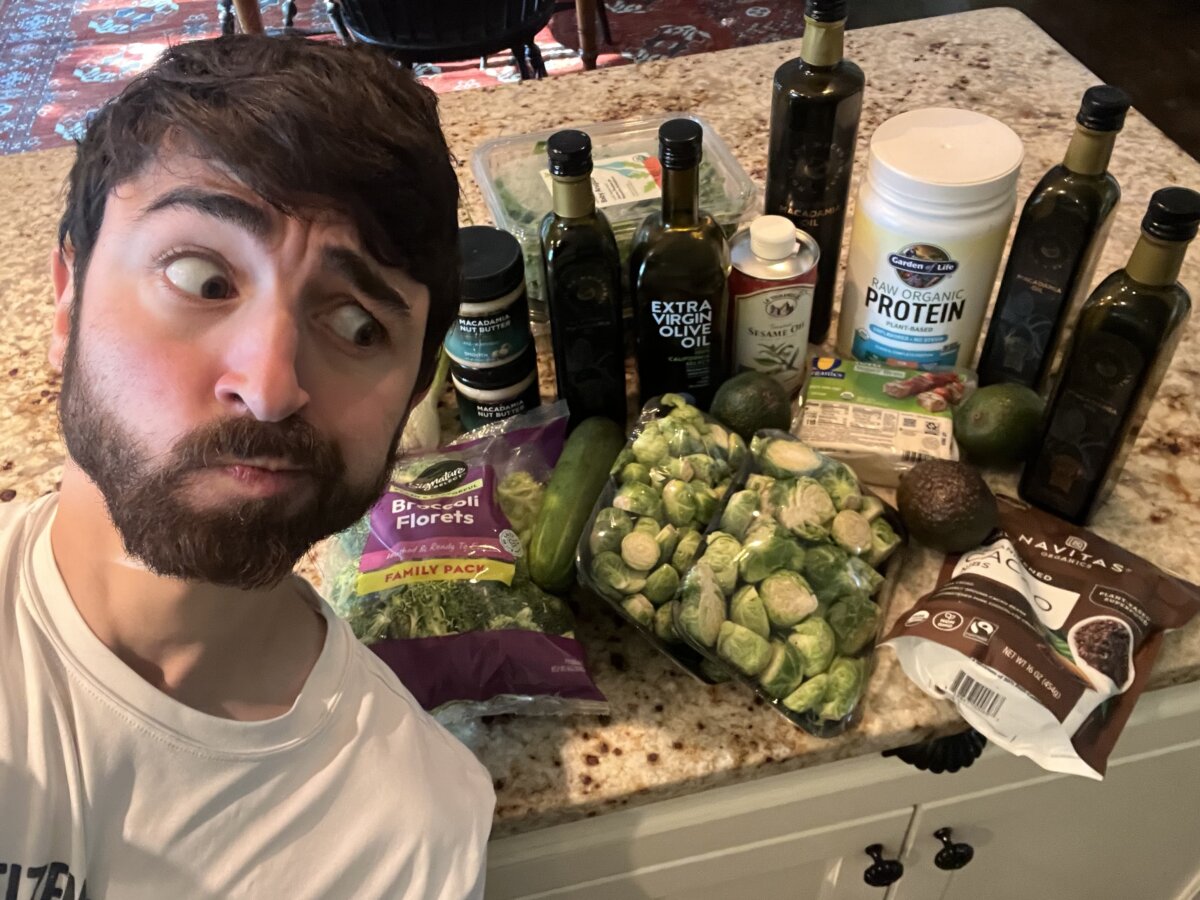
Norwitz recently conducted an “n=1” experiment—a personal case study designed to observe how his body would respond to a vegan ketogenic diet. This involved replacing his typical diet of beef, eggs, and butter with plant-based alternatives such as tofu, Brussels sprouts, and sesame oil.Unlike standard vegan diets, typically high in carbohydrates from grains and legumes, a vegan ketogenic diet requires keeping carbohydrates very low to maintain ketosis. In this metabolic state, the body burns fat for energy instead of glucose. This approach relies on high-fat, low-carb foods such as nuts, seeds, and oils.
“Despite eating less total fat, less saturated fat, more fiber—and zero cholesterol—on the vegan keto diet, my LDL cholesterol actually went up,” Norwitz told The Epoch Times.
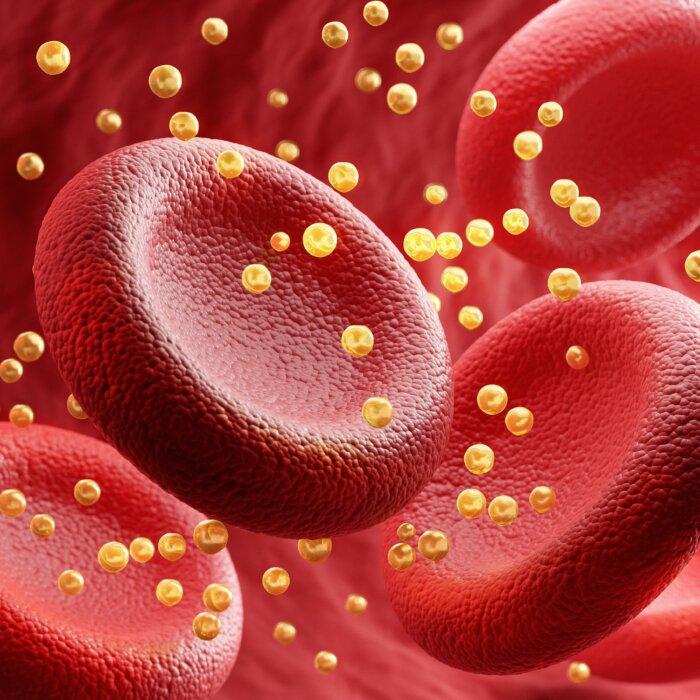
This increase is what Feldman and Norwitz expected, he noted, because of their metabolic profiles. Norwitz, for example, identifies as a “lean-mass hyper-responder” (LMHR)—a subgroup of lean individuals whose LDL levels significantly rise on low-carb, high-fat diets. LMHRs typically exhibit high levels of high-density lipoprotein (HDL) (the “good” cholesterol) and low triglycerides, indicating that for these individuals, the absence of carbohydrates rather than the intake of saturated fats appears to trigger LDL spikes.

Rethinking Cholesterol and Diet Dogma
These observations prompt a broader reevaluation of the assumption that plant-based diets are universally heart-healthy. The unique metabolic responses of Norwitz and Feldman challenge the notion that dietary guidelines can be uniformly applied, suggesting that individual reactions to diets can vary significantly. A 2023 review in the European Heart Journal found that vegetarian and vegan diets generally lower LDL cholesterol and other heart disease markers; however, the experiences of Norwitz and Feldman illustrate the complex nature of nutrition science.Norwitz argues that generalized dietary guidelines often lack nuance. “People are handed these platitudes, these ideas that don’t actually have depth,” he said, adding that terms such as “balanced diet” may sound appealing but lack meaningful depth, ultimately resulting in blanket recommendations that overlook the complexity of individual biology.
Dr. Bret Scher, a preventive cardiologist and director at Metabolic Mind, agrees that rigid dietary frameworks often fail to reflect individual variability. “We have been led to believe that there are ‘good’ foods and ‘bad’ foods that are generalizable to the entire population,” he wrote in an email to The Epoch Times. “But these assumptions completely ignore how we are all individuals and we don’t all react the same way to the same foods or diets.”
Diet dogma often oversimplifies the complexities of nutrition, especially when it comes to low-carb or ketogenic therapies, according to Scher. “Diet dogma assumes that all we need to do to improve our health is eat better. This assumption ignores the dramatic metabolic shift and changes in brain energy that occur with ketogenic therapy,” he said.
Feldman and Norwitz’s experiments also call into question the singular focus on LDL cholesterol as an indicator of heart health. While LDL is often labeled as “bad,” Feldman points out that other markers for the heart and overall health frequently improve on low-carb diets—even for those with rising LDL levels.
“Health is more than one number,” Feldman told The Epoch Times. “We need to look at the bigger picture when assessing the impact of any diet.”


Taking Science to the Public
For Norwitz and Feldman, social media is a tool to challenge entrenched dietary dogma and encourage the public to rethink mainstream nutrition advice. By sharing their personal “n=1” experiments online, they’ve generated interest in scientific questions that might otherwise go unnoticed.“These personal experiments direct attention to existing literature and spark grassroots interest to get more trials funded and executed,” Norwitz said. “It’s not about having all the answers; it’s about asking better questions and getting people to think critically about their health.”
A New Chapter in Personalized Health
Ultimately, Norwitz and Feldman hope that their work inspires a new era of personalized nutrition, encouraging people to see themselves as active participants in scientific exploration rather than passive recipients of health advice. By tracking their own health data—such as cholesterol levels or responses to specific diets—people can move beyond one-size-fits-all recommendations and discover what works best for them.“Our experiments don’t mean everyone will see the same results,” Norwitz said, “but they encourage people to ask, ‘What’s healthy for me?’”