This copy is for your personal, non-commercial use only. Distribution and use of this material are governed by our Subscriber Agreement and by copyright law. For non-personal use or to order multiple copies, please contact The Epoch Times Reprints.
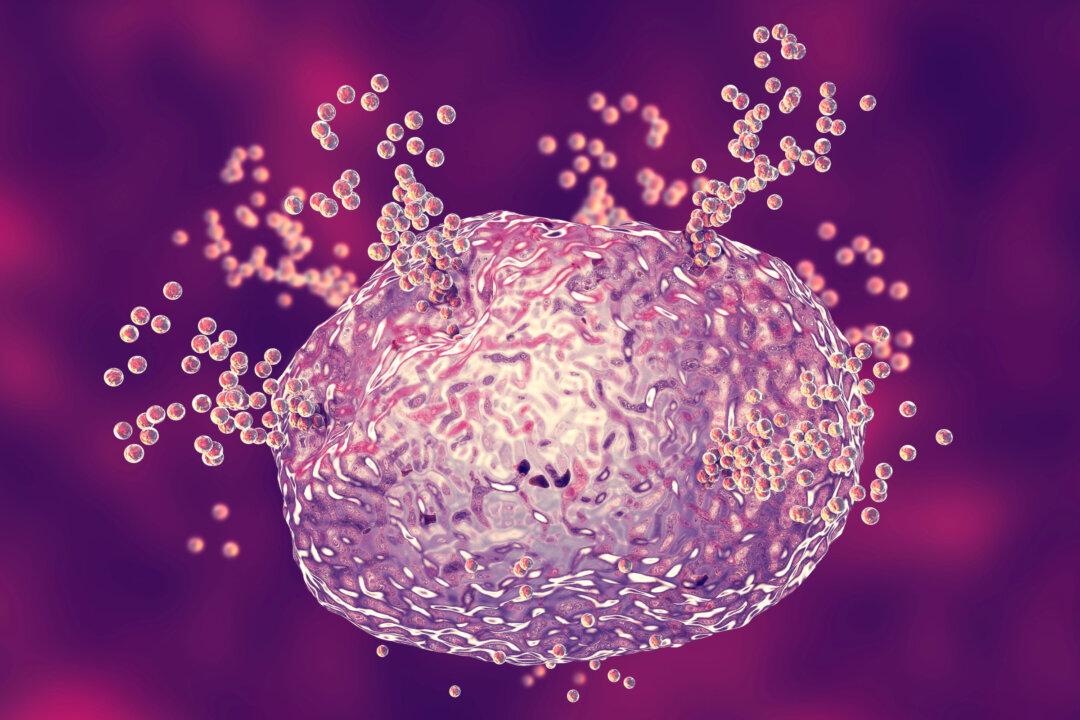
RSV (Respiratory Syncytial Virus) is a common, highly contagious virus that causes infections of the lungs and respiratory tract spread by coughing or sneezing. Symptoms are usually mild and similar to the common cold for adults and older, healthy children. Babies under 12 months, the immune-compromised, and those with heart or lung disease are at a greater risk of severe infection. Until the end of November RSV was running rampant all over the U.S. with it now being highly problematic in only some parts.
Transmission
The easy transmission of RSV takes a spotlight in the realm of viruses and is a concern for vulnerable age groups. RSV is transmitted by coming into contact with droplets from the nose or throat. These droplets can live on surfaces for a few hours and thus be easily spread between children in social environments.
RSV begins with cold-like symptoms such as congestion, fever, and a mild cough. In compromised individuals, it can lead to a more serious lung infection. While most people move through this virus with little trouble, it can be particularly serious for infants. Severe symptoms include rapid or labored breathing, gasping for breath, flared nostrils, lethargy, irritability, or caving of the chest muscles when breathing. These symptoms indicate the child is working very hard to breathe and a doctor should be seen immediately.
How Do I Prevent RSV at Home?
Prevention is key for RSV. Wash hands regularly along with bedding, clothing, and toys. Wipe down surfaces that you and your children come into contact with regularly, such as light switches, doorknobs, faucet handles, and floors, especially if you have a little one crawling around.
Additionally, supporting your immune system with an anti-inflammatory diet and immune-boosting supplements will equip your body with the best nutrients to fight off any germs it may encounter. An anti-inflammatory diet focuses on whole, nutrient-dense foods such as fruits and vegetables, quality meats and eggs, and mineral-rich drinks such as bone broth.
Respiratory Distress
RSV can make it challenging for your baby or child to get enough oxygen into their lungs, which can cause respiratory distress. If a baby appears to be struggling to breathe, and the color of their lips, nose, or tongue changes to blue, this is an indication that they are not getting enough oxygen and that it’s time to seek medical treatment.
Dehydration
Dehydration is also a concern for babies and young children when they have RSV. Oftentimes the cold symptoms lessen their appetite or make it too difficult to eat. Breastfeeding babies may have difficulty nursing due to a stuffy nose, making them not want to eat. If your baby has less than 1 very wet diaper in 8 hours, or the urine is a brown color, you’ll want to contact your medical provider. For young babies, dehydration is a major concern and something you’ll want to resolve as quickly as possible to ensure their safety.
Why the Surge of RSV in 2022?
From my perspective, children were largely cooped up at home during the pandemic months, and often required to wear a mask in public. These factors change and sometimes inhibit, the natural immune response. Children need to be exposed to pathogens, it helps their immune systems grow and develop! When we over-protect, over-sanitize, and hide them away, we are doing our children a disservice. Also, children do not wear masks properly, inviting an onslaught of pathogen exposure that can damage the lung microbiome. This leaves the body susceptible to infection.
How is RSV diagnosed?
The symptoms of RSV are so similar to a common cold that providers will typically test with either a rapid nose swab for lab analysis or a chest x-ray to make an official diagnosis.
Conventional Treatment
Conventional treatment for RSV for a hospitalized child can involve being put on oxygen, supported by IV fluids, given antibiotics, and sometimes put on a ventilator.
While these treatments may be required under emergency circumstances, there are many natural remedies you can use at home to support your little one before symptoms get out of hand.
Natural Remedies for RSV
I would like to share some strategies for moving through RSV at home to hopefully empower you to support your family’s health. If your child is struggling, it is imperative that you see your doctor and seek their approval for these remedies.
Hydration: Staying hydrated is often overlooked, but so important. If you are breastfeeding, feed as often as possible! For babies over 6 months consider bone broth or coconut water. Small sips every few minutes will add up and help your little one to not be overwhelmed by drinking extra fluids. Pay attention to how many diapers your baby goes through in an 8-hour time period, or how many times your young child is using the bathroom.
Nasal Suctioning: If your child has a hard time clearing congestion, clearing the nasal pathways help. Use a bulb syringe or NoseFrida. Nasal saline drops can also help to break up mucus and support the nasal microbiome, I like Xlear. Putting the saline drops in your baby’s nose a few minutes before suctioning will give the mucus time to break up. This can be an immense help in aiding your baby or child to be able to breastfeed or drink and eat effectively.
Humidity: Humidity is your friend! It will help to moisten, soothe, and loosen any mucus in the nasal cavity or chest. Run a hot shower or bath and allow the bathroom to steam up. Sit in the bathroom with your child for about 10 minutes to breathe in the warm steam. Additionally, running a humidifier around-the-clock will help to continually add moisture to the air.
If you are a breastfeeding mom, it’s important to supplement with the nutrients listed below, as they will go directly to your nursing baby. If you have young ones who are not breastfeeding, this list will be very helpful to supplement their anti-inflammatory diet.
Elderberry: Elderberry is a strong natural antiviral and easy to give to children in syrup form. Be sure to not give to babies under 1 year if your elderberry syrup contains honey. You can make your own, or buy a quality brand (sweetened only with honey) at your local health food store.
Glutathione and NAC: Glutathione is the body’s master antioxidant and a powerful immune system modulator. N-acetylcysteine (NAC) is an amino acid that is a precursor to glutathione production. These will give your little one a huge immune boost to fight off the virus.
Vitamin C: Vitamin C is a water-soluble vitamin that is great at boosting immune function. If your little one is eating solid food and has an appetite, adding citrus fruits to their diet is a great way to get vitamin C. Supplementing with a liquid or powder form of vitamin C is also helpful.
Vitamin D: Another great immune system modulator. This is a fat-soluble vitamin, so check with your provider, but 400 to 600 IUs during illness is usually okay for young ones. As always, exposure to the sun is the best way for the body to synthesize vitamin D.
Probiotics: Probiotics support the immune system by boosting the microbiome, even the lung microbiome! Consuming fermented foods such as sauerkraut, yogurt, kefir, kombucha, or kimchi is a great way to add nutrient-dense probiotics to the diet. Aim for a few bites each meal, especially during illness. Alternatively, using a quality probiotic supplement is also an option if fermented foods are not for you. If going the route of supplemental probiotics you'll want to find a baby probiotic that includes B. bifidum, L. reuteri, and B. infantis.
Essential oils: I like diffusing antimicrobial essential oils to support respiratory health such as eucalyptus, peppermint, tea tree, fennel, frankincense, etc. Make sure the oils you choose are safe for your child.
Arborvitae and cedarwood are anti-inflammatory essential oils that can be applied topically to support your child. Be sure to follow appropriate dilution methods to use these oils safely.
Baths: Warm baths are a great way to calm your little one while boosting their system with healing properties. Epsom salts are an easy addition to your child’s bath to aid in softening and breaking up mucus. Add the appropriate amount of Epsom salts to the bathwater, based on your child’s age.
I hope these methods and remedies have given you some confidence to feel more educated and empowered in supporting your child during RSV. At the first sign of illness, employing these tactics can be an immense help to keep the worst symptoms at bay and allow your child to thrive. As always, if your child’s symptoms worsen and they are struggling, seek medical help right away. Otherwise, you can be confident that with these tools in your belt, you'll be equipped to support your family’s health with nourishing and healing immune-system-supporting remedies.
Views expressed in this article are the opinions of the author and do not necessarily reflect the views of The Epoch Times. Epoch Health welcomes professional discussion and friendly debate. To submit an opinion piece, please follow these guidelines and submit through our form here.
Ashley Turner
BCDHH
Dr. Ashley Turner is a traditionally trained naturopath and board-certified doctor of holistic health for Restorative Wellness Center. As an expert in functional medicine, Dr. Ashley is the author of the gut-healing guide “Restorative Kitchen” and “Restorative Traditions,” a cookbook comprised of non-inflammatory holiday recipes.