





If you suspect that mast cell activation syndrome (MCAS) might be the root cause of your many seemingly unexplainable symptoms, hopefully, this article will help shed some light on the steps you can take to obtain a diagnosis.
First, it’s important to know that a diagnosis of MCAS is likely not going to happen in a one-time visit with your provider. Working through the necessary steps to reach an accurate formal diagnosis of MCAS takes time—which can feel frustrating for a patient desperate for answers. However, taking a slow and systemic approach to a diagnosis is the best way to ensure the diagnosis is correct and develop the proper healing protocol.
4 Steps to Diagnosing MCAS
There are four general steps to follow when seeking an MCAS diagnosis. These steps aren’t always necessary (or a feasible option) for all patients, but are the typical process of reaching a formal diagnosis:- Identify and recognize all clinical symptoms.
- Observe and investigate any response to treatment.
- Obtain mediator tests.
- Consider and rule out other diagnoses.
Step 1–Identify Symptoms
The first step to diagnosing MCAS is understanding the presence of clinical symptoms across multiple body systems. Most patients suffering from MCAS experience symptoms that come and go and fluctuate in severity over time due to different triggers. MCAS can affect every system of the body and may include the following symptoms:Systemic
- Fatigue
- Malaise
- Inflammation
- Sensitivities to food, chemicals, medications, or other environmental factors
- Temperature dysregulation
- Swollen lymph nodes
- Swelling
Musculoskeletal
- Muscle pain
- Bone pain
- Osteoporosis and osteopenia
- Arthritis
- Hyperflexible joints
Dermatologic
- Urticaria
- Red, flushed, or swollen skin
- Rashes
- Bruising
- Burning sensation
- Dermatographia (white or red marks that persist after scratching skin)
- Poor wound healing
- Rosacea
- Psoriasis
- Eczema
Cardiovascular
- Rapid heart rate
- Heart palpitations
- Dizziness
- Low blood pressure
- Syncope
Gastrointestinal
- Diarrhea
- Constipation
- Abdominal cramps
- Bloating
- Nausea
- Vomiting
- Reflux
- Difficulty swallowing
- Tightness in the throat
- Malabsorption
- Food sensitivities
- Food allergies
- Irritable bowel syndrome
Nervous
- Headaches or migraines
- Brain fog
- Memory concerns
- Anxiety
- Depression
- Difficulty paying attention
- Nerve pain
- Insomnia
- Dizziness
- Tinnitus
- Numbness and tingling in extremities
- Temperature changes
Lungs and Respiratory
- Sinus congestion
- Swelling of the sinuses
- Coughing
- Shortness of breath
- Wheezing
- Asthma
Eyes
- Itchy or watery eyes
- Red or inflamed eyes
- Blurred vision
Reproductive System
- Infertility
- Endometriosis
- Menstrual problems
- Hormone dysregulation
Urinary Tract
- Pain or burning with urination
- Inflammation of the urinary tract
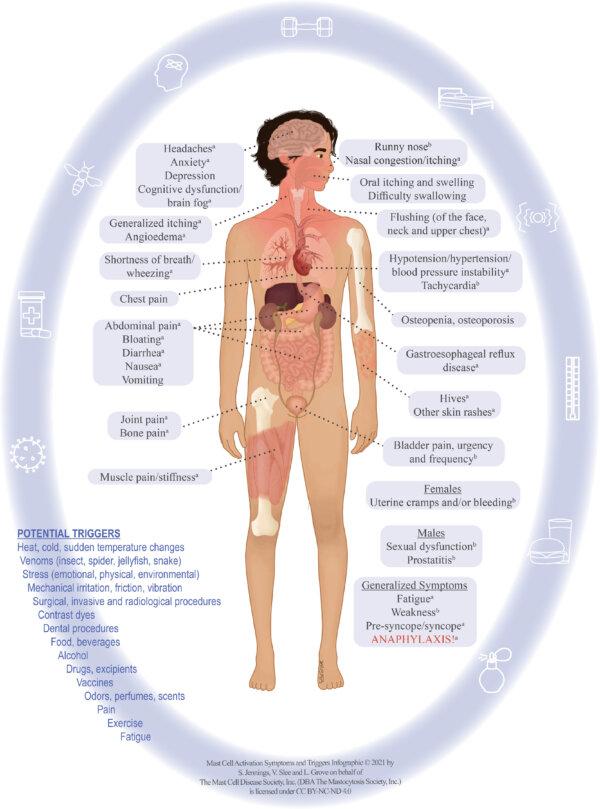
Mast Cell Symptoms and Triggers Infographic © 2021 by S. Jennings, V. Slee, and L. Grove on behalf of The Mast Cell Disease Society, Inc. (DBA The Mastocytosis Society, Inc.) is licensed under CC BY-NC-ND 40
Other Conditions That May Be Related to MCAS
Many conditions are associated with MCAS. Often, it’s difficult to ascertain whether MCAS caused the disease or if the symptoms of the disease present like MCAS. Nevertheless, understanding the correlation can bring understanding to what an individual is going through. The following conditions may be associated with MCAS:- Autism spectrum disorders
- Autoimmune diseases such as rheumatoid arthritis, lupus, Hashimoto’s thyroiditis, Guillain-Barré syndrome, Graves disease, Sjogren’s syndrome, and multiple sclerosis
- Certain cancers
- Chronic Lyme disease
- Crohn’s disease
- Dysautonomia or postural orthostatic tachycardia syndrome
- Ehlers-Danlos syndrome
- Eosinophilic esophagitis
- Fibromyalgia
- Interstitial cystitis
- Mold illness
- Multiple chemical sensitivity
- Myalgic encephalomyelitis/chronic fatigue syndrome
- Small intestinal bacterial overgrowth
- Type 2 diabetes
Step 2: Response to Treatment
The thought process behind this step in diagnosis is that if a patient responds positively to a specific MCAS treatment method, there is good evidence to think the person does indeed have MCAS. However, this is not a one-size-fits-all approach. Every individual will respond differently to various forms of treatment. It is imperative that you work with a supportive provider to help you identify the proper treatments to avoid additional triggers to MCAS symptoms.There are many different medications for MCAS, including the following:
- Mast cell stabilizers such as sodium cromoglicate and ketotifen
- Anti-prostaglandins such as naproxen, ibuprofen, aspirin
- H1 antihistamines including diphenhydramine, loratadine, cetirizine, and fexofenadine
- H2 antihistamines including cimetidine, famotidine, nizatidine
- Anti-leukotrienes such as montelukast and zafirlukast
Various natural supplements are antihistamines and can help to calm mast cells. A few of the most common include the following:
- Vitamin C
- Stinging nettle
- Raw, local honey
- Quercetin
- Luteolin
- Resveratrol
- Curcumin
- Diamine oxidase
Addressing the root cause
As mentioned before, each patient with MCAS is different, which means everyone will have different root factors that cause MCAS. Until these root causes have been addressed, the patient will continue to experience flare-ups. While there are many different root causes, some of the most common include the following:- Food triggers
- Genetic factors
- Nutritional deficiencies
- Infections and toxicity
- Hormone imbalances
- Stress or early trauma
- Hypoxia (low oxygen)
Food Triggers
Many people are unaware that what they eat and drink can trigger MCAS symptoms. Food truly is medicine, but food can also make things worse. Avoiding high-histamine foods such as alcohol, chocolate, sauerkraut, pickles, salami, lunch meats, and olives is a great first step. It’s also important to remember that packaged foods can be high in histamine, because of their long shelf life.Identifying your food triggers can give such a sense of relief when you learn what to avoid, and can open up new opportunities to try new foods that will nourish and support your body without contributing to inflammation.
Genetic Factors
Working with a practitioner to get the proper genetic data can be one of the most eye-opening answers to MCAS. Being able to analyze an individual’s genes and lab work will allow a practitioner to customize a healing protocol that’s specifically designed to match the needs of the individual patient, rather than taking the “one size fits all” approach. Keep in mind that just because you may have a genetic variant doesn’t mean that it’s expressing. Environmental factors play a big role in genes being “turned on.”Nutritional Deficiencies
If a patient is experiencing significant food allergies or sensitivities, it’s easy to quickly become deficient in a wide variety of vital nutrients. Gastrointestinal issues such as constipation, malabsorption, and diarrhea will also affect nutrient levels, as the gut cannot properly absorb nutrients. Identifying nutritional deficiencies can be a great and actionable step toward healing.Infections and Toxicity
If a patient is dealing with an underlying infection, mold exposure, or heavy metal toxicity, the immune system can be overworked, constantly staying on high alert and triggering MCAS flares. Common infections such as Lyme, parasites, candida, or bacterial overgrowth can all trigger MCAS. Despite working hard to eat properly, a patient who has an underlying infection or environmental toxin exposure may see no improvement in their symptoms until these have been addressed.Hormone Imbalances
Hormones have a significant effect on mast cells. Many women see significant MCAS symptoms during their monthly cycle when estrogen levels are elevated. Balancing hormones naturally, rather than seeking synthetic treatments (which can cause more inflammation), is a great step to take.Stress or Early Trauma
It’s no secret that our modern lives are laden with stress, but trauma, especially early in life, can make the body more sensitive to stress and environmental factors. This can contribute to overactive mast cells. Reducing stress levels and working through early traumas will allow the nervous system to become more regulated and therefore stabilize mast cells.Hypoxia (low oxygen)
A patient who has difficulty breathing because of airway blocks will be struggling to get proper amounts of oxygen. Additionally, being anemic can reduce oxygenation of the body. Both of these low-oxygen states can stress the body and contribute to inflammation.Step 3: Mediator Testing
Testing is a helpful way of diagnosing MCAS, but it isn’t foolproof because the markers that a provider will be looking for in a blood or urine test can fluctuate dramatically over a short period. The mast cell mediators might only be elevated when the patient is experiencing a symptom and then might return to normal. The most accurate tests will be performed with carefully handled specimens while the patient is experiencing MCAS symptoms. Some of the most common tests include the following:- N-methylhistamine (24-hour urine test)
- Prostaglandin D2, DM, and F2alpha
- Blood histamine
- Blood tryptase
- Blood Matrix Metalloproteinase-9
- Blood leukotrienes
- Blood heparin
Skin Test
While it’s a bit unconventional, some practitioners swear by skin testing for MCAS diagnosis. This involves a simple stroking of bare skin to see the skin response. This can be done by “scratching” two long lines on the patient’s bare back. If the lines immediately turn red and look like inflamed welts, this is called dermatographism. It indicates that the patient is having an immune response and may have MCAS. While this test cannot be used as a single indicator that a patient has MCAS, it can help determine if further evaluation is necessary to diagnose the condition.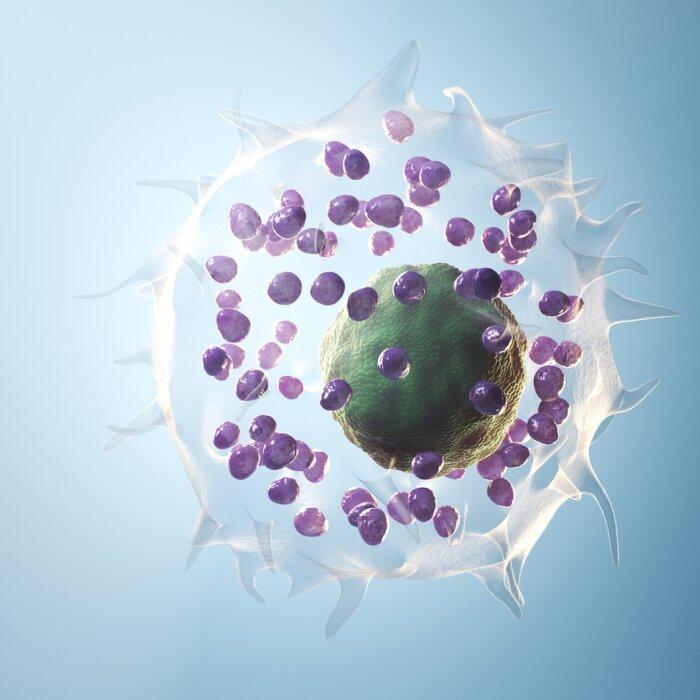
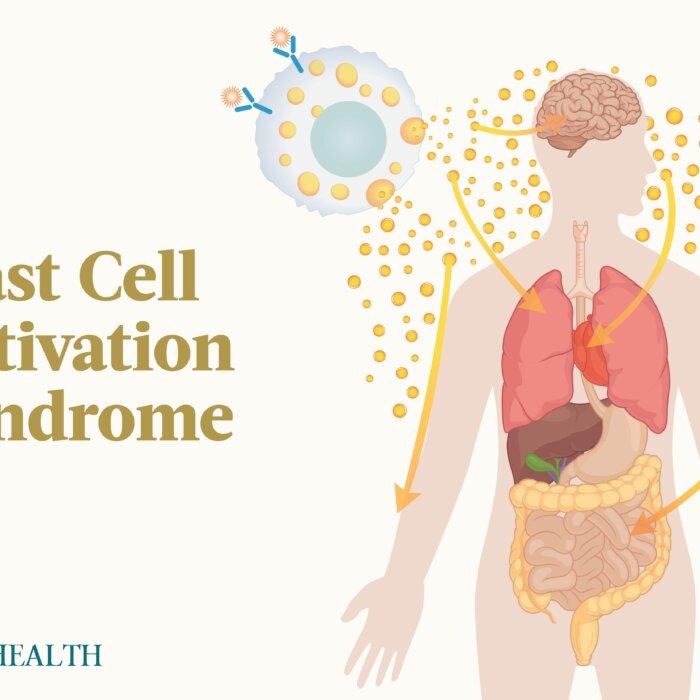
Demystifying Mast Cell Activation Syndrome


More from this series
Step 4: Rule Out Other Conditions or Diagnoses
When seeking an MCAS diagnosis, it’s important to consider the possibility of any other potential diagnoses, as well as the possibility that the patient may be suffering from multiple conditions. It isn’t uncommon for MCAS patients to also experience connective tissue disorders such as Ehlers-Danlos syndrome and Marfan syndrome, as well as Type 2 diabetes, postural orthostatic tachycardia syndrome, vasculitis, Addison’s disease, and other autoinflammatory conditions.While these four steps can’t guarantee an accurate MCAS diagnosis, they should be a guideline for actionable steps to take with your provider. As we continue this series, we'll take a more in-depth look at dietary considerations for treating MCAS and how to avoid triggers from the foods you eat.
Embarking on an elimination diet may go a long way in discovering what foods trigger symptoms in MCAS—the good thing is—it doesn’t have to be forever.