





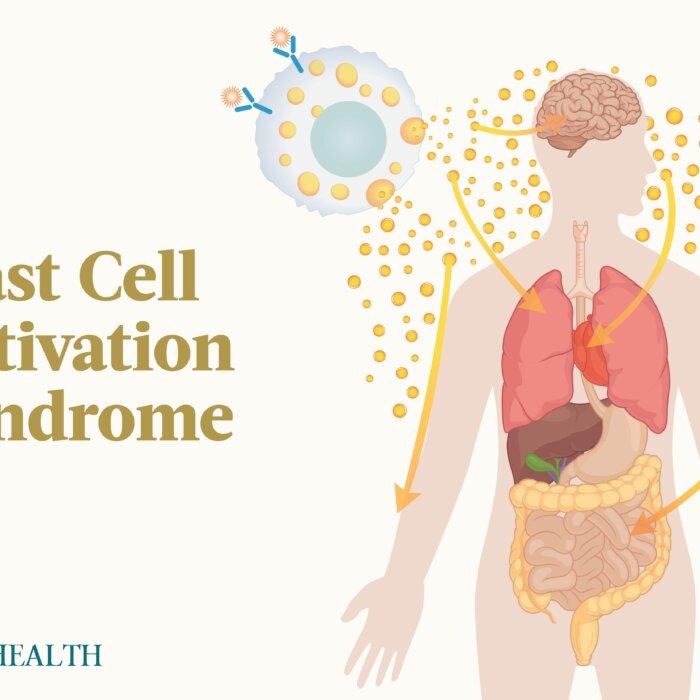
For people who experience mast cell activation syndrome (MCAS), a change in diet can significantly reduce even the most undesired symptoms. Often, people believe they are eating a healthy diet—and they very well may be—but even some healthy foods may be high in histamines that spur symptoms of MCAS, such as irritable bowel syndrome, itching, sneezing, and insomnia.
Foods That Aggravate Histamine Concerns
Often, people who struggle with histamine issues find it helpful to do an elimination diet wherein they remove all high-histamine foods for a period of time to allow the body to heal.This can be a significant change, and I recommend working with a skilled practitioner to help guide you through the process and understand whether a complete elimination is necessary.
High-Histamine Foods
In general, foods that are processed, fermented, or aged are higher in histamines.- Processed, shelf-stable food products
- Canned foods
- Fermented vegetables such as sauerkraut, kimchi, and other pickled vegetables
- Fermented dairy products including kefir, yogurt, sour cream, cream cheese, aged cheese, etc.
- Processed, cured, and aged meats, such as bacon, sausage, salami, etc.
- Vinegar-containing foods such as olives, pickles, and mayonnaise
- Alcohol
- Peanuts and cashews
- Chocolate
- Yeast products
- Fruit such as avocado, citrus, pineapple, and all dried fruit
- Vegetables such as spinach, tomatoes, and eggplant
- Spices such as cinnamon, nutmeg, anise, cloves, and cayenne pepper
Histamine-Releasing Foods
These foods can trigger white blood cells to release histamines.- Alcohol
- Artificial preservatives and dyes
- Bananas
- Chocolate
- Dairy products
- Nuts
- Papaya
- Pineapple
- Shellfish
- Strawberries
- Tomatoes
- Wheat germ
What Is a Low-Histamine Diet?
For those facing MCAS, it’s important to create an immune support diet by working to build better nutrient intake while limiting high-histamine or histamine-releasing foods. It is especially helpful to eat foods with anti-inflammatory properties that help your body cool inflammation so your mast cells stabilize naturally.- Freeze your leftovers: Leftovers sitting in the fridge give histamine levels a chance to increase each day the food is stored. Freezing them right away will avoid this.
- Avoid aged meat: Aging meat increases histamine levels. For example, beef is often aged for 14 to 21 days, giving histamine levels a chance to flourish. It’s best to consume meat that has been frozen immediately after being butchered. You can often find this from your local farmer or butcher, and many subscription services will deliver high-quality proteins, frozen solid right after butchering, directly to your doorstep.
- Limit sugar: While on a low-histamine diet, it is important to avoid blood sugar spikes. This includes removing all types of refined sugar, including maple syrup, rice syrup, agave, and coconut sugar, as well as honey, as it is also high in histamine.
- Limit eating out: It is incredibly challenging to stick to any low-histamine diet plan while eating at a restaurant, as even getting a list of ingredients used in your meal can be difficult. If you do need to eat out, it’s best to bring your own properly prepared meat protein to avoid reintroducing a potential trigger too early.
- Journal your food: Keeping a daily record of the foods you eat and any symptoms you identify can be extremely helpful in identifying triggers, including any sort of food sensitivity or intolerance you may have that is unrelated to histamine.
- Stay hydrated: Make sure that you are drinking plenty of clean, filtered water with added minerals to support your body. Staying hydrated will ensure your body is able to flush toxins.
Non-Inflammatory, Immune Supporting Foods
As a general rule, you want to focus on eating fresh, whole, nutrient-dense foods. Your body needs to be supported with as many bioavailable nutrients as possible to expedite the healing process. Try to buy from your local farmer or farmers markets to get them as fresh as possible. Even better is if you can grow more of your own fruits and vegetables. Including non-inflammatory foods in your diet will help support your body to absorb all of the available nutrients it needs. This is just a sampling of foods that are available to you on a low-histamine diet:Vegetables
- Butter lettuce
- Scallions
- Onions
- Sweet potatoes
- Artichokes
- Arugula
- Cabbage
- Cauliflower
- Bok choy
- Radishes
- Butternut and spaghetti squash
- Zucchini
- Escarole
- Fennel
- Asparagus
- Leeks
- Broccoli
- Mustard greens
- Carrots
Herbs
- Chamomile
- Nettle
- Turmeric
- Galangal
- Basil
- Cilantro
- Garlic
- Chives
- Mint
- Rosemary
- Parsley
- Moringa
- Oregano
Nuts and Seeds
- Brazil nuts
- Quinoa
- Flax seeds
- Hemp seeds
Grains
- Cassava flour
- Tigernut flour
- Flax meal
- Coconut flour
Fruits
- Peaches
- Tart cherries
- Green apples
- Blackberries
- Mango
- Blueberries
Proteins
- Un-aged beef and bison
- Pastured chicken, pork, lamb, turkey
- Chicken, quail, or duck eggs
- Fresh fish
Fats
- Grass-fed ghee
- Coconut oil
- Avocado oil
Other Potential Food Triggers
At times, people who eat a low-histamine diet may notice they are still having symptoms. This can be discouraging, but it is an indicator that there may be more to consider. You may need to consider other food components that you are eating that could be aggravating your immune system, such as foods that are high in lectins or oxalates.


Common Foods That Contain Lectins
- Beans, lentils, peas, soybeans, peanuts
- Whole grains such as wheat
- Zucchini
- Nightshades, including tomatoes, potatoes, and peppers
Foods High in Oxalates
- Beets
- Rhubarb
- Sweet potatoes
- Spinach
- Almonds and cashews
- Swiss chard
- Buckwheat
- Quinoa
- Kidney beans
- Peanuts
- Sesame seeds and pine nuts
- Chocolate
For most people with MCAS, changing their diet isn’t the only way to heal. Working with a trusted provider to assist in implementing each step of the healing process will help people achieve the best outcome.