CDC officials are investigating a potential link between two recently approved RSV vaccines and increased reports of Guillain-Barré syndrome in adults over 60.

Federal officials made the revelation in a CDC meeting this week.
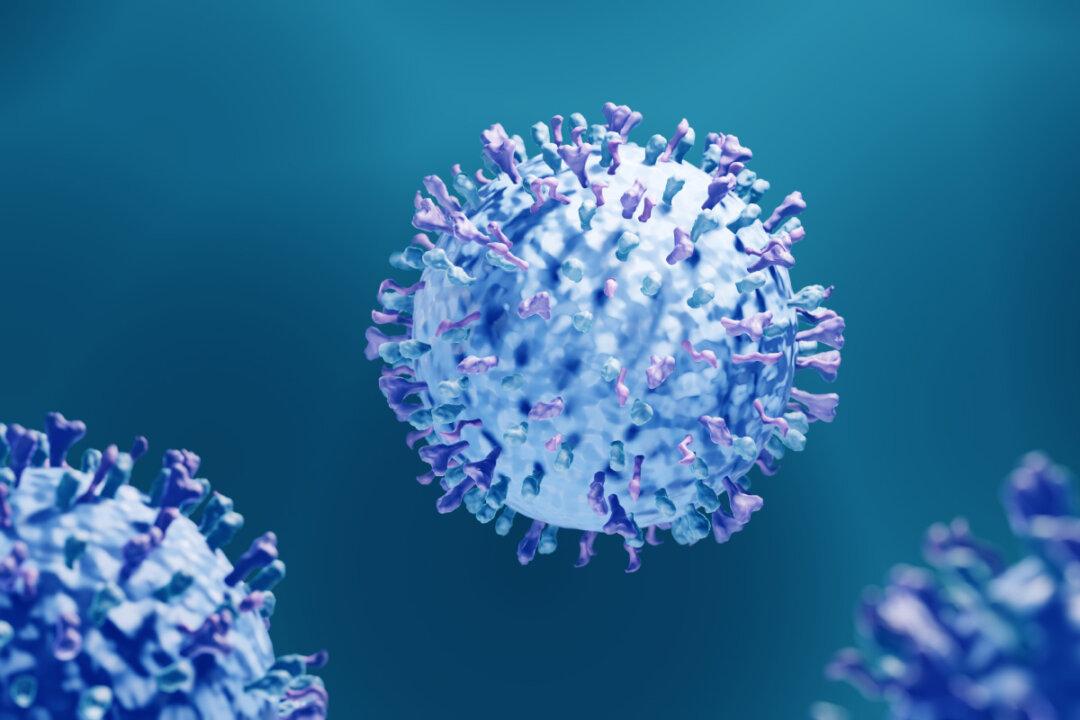
Study suggests the virus has the potential to infect beyond the respiratory tract.
A recent research paper found that hospitalization rates were over 80 percent for RSV and only 30 percent for omicron and the flu.
Studies provide updates on vaccination uptake.
The CDC’s new vaccine schedule recommends that infants receive their first RSV vaccine before the age of 6 months in most cases.
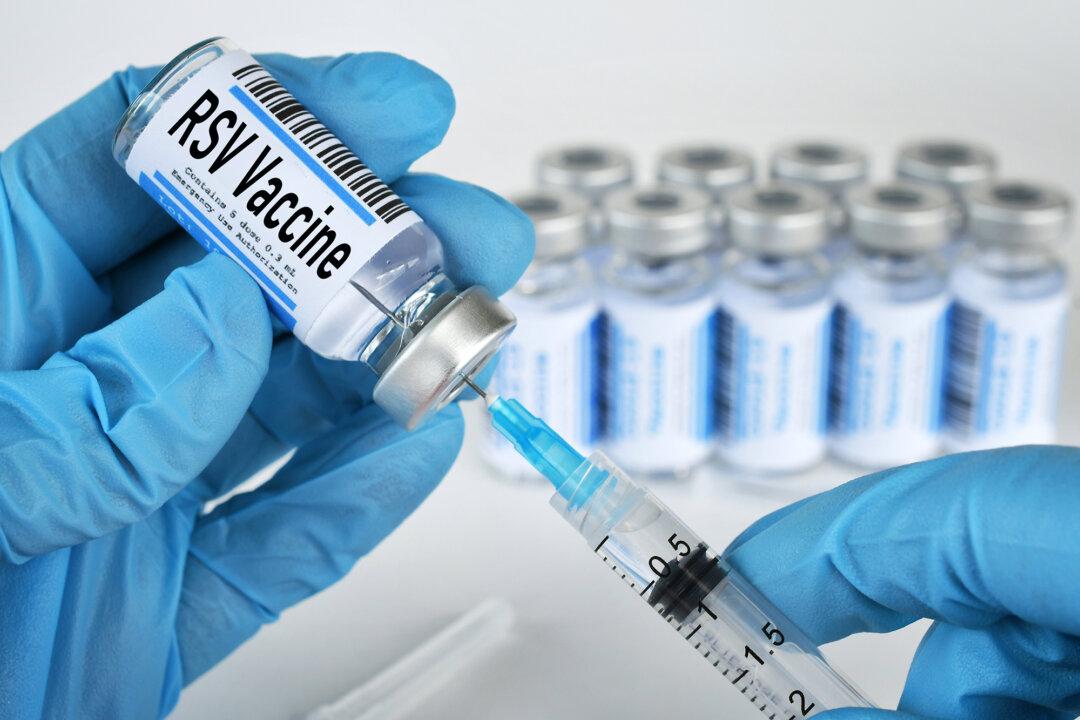
The head of the CDC said that officials believe RSV levels have peaked in the United States.

The CDC said that cases of respiratory viruses are on the rise across the U.S.
A study found infants under 2 months of age were less likely to experience SARS-CoV-2 infection and less severe illness compared with other respiratory viruses.
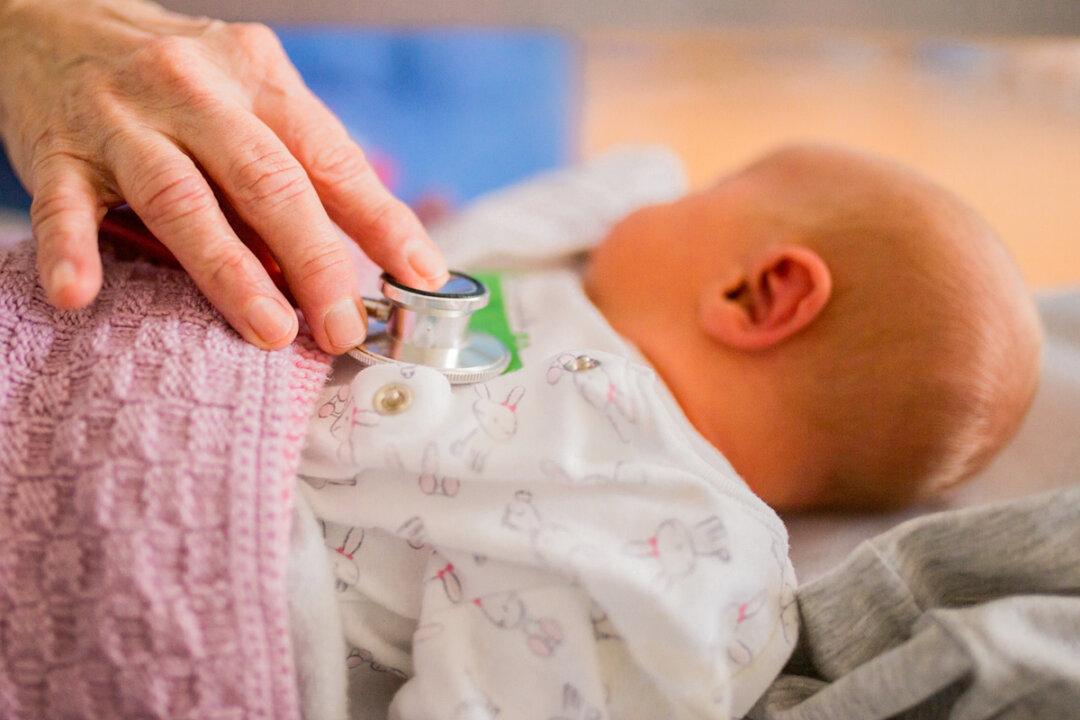
The CDC sent a health alert over a shortage of nirsevimab, used to treat RSV.
The CDC has recommended prioritizing infants at the highest risk for severe RSV owing to the short supply of monoclonal antibody nirsevimab.
The CDC’s advisory committee has recommended the RSV vaccine for women in the late stages of their pregnancies.
The CDC noted that fall and winter are generally a time when viruses that cause respiratory disease tend to circulate more heavily.