The Centers for Disease Control and Prevention (CDC) has warned that a combination of COVID-19, RSV, and influenza at the same time could overwhelm hospitals and place a burden on the U.S. health care system this winter.
“Along with the seasonal influenza virus (flu) and the respiratory syncytial virus (RSV), COVID-19 has become a part of the respiratory virus season,” the health agency wrote. “Analysis from CDC’s Center for Forecasting and Outbreak Analytics shows that with the addition of a third virus (COVID-19) that can cause severe disease, even an average respiratory season can place significant strain on our healthcare system.”
The CDC noted that fall and winter are generally a time when viruses that cause respiratory disease tend to circulate more heavily.
Prior to COVID-19, two viruses, flu and RSV, were the main causes of severe respiratory disease at this time of year, the CDC said.
RSV is a common respiratory virus that typically causes mild illness and symptoms such as a runny nose, decreased appetite, coughing, wheezing, and fever in most healthy adults. It is transmitted primarily through respiratory droplets when a person coughs or sneezes, or through direct contact with a contaminated surface.


Most people who become infected with flu or RSV tend to have mild symptoms and recover quickly, within a few weeks, without the need for hospitalization.
However, in some individuals, such as older adults, infants younger than 6 months of age, and those with weakened immune systems, it can develop into a severe infection such as bronchiolitis (inflammation of the small airways in the lung) and pneumonia, requiring hospitalization.
Influenza impacts the nose, throat, and sometimes the lungs but generally causes mild illness, although older adults, those with certain underlying health conditions, and pregnant women are at higher risk of more serious complications.
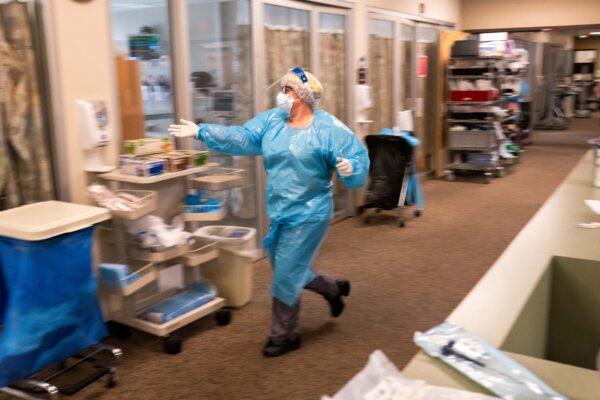
Hospitalizations Expected to Rise
Flu shares many of the same symptoms as COVID-19 and can be difficult to tell apart initially, however most people who get the flu are able to recover within a few days or weeks.“Although some people have mild symptoms when they catch flu or RSV, others get sick enough to be hospitalized. Some seasons are more severe than others based on strains of the viruses circulating and our immunity to these viruses. One measure of the severity of a season is how many people are sick enough to be hospitalized because this can stress the healthcare system,” the CDC said.
The health agency said flu activity in the United States is currently low but stressed that the timing, intensity, and severity of the upcoming season are unpredictable. Still, the agency sees flu activity likely increasing over the fall and winter.
RSV activity in the United States is also low currently but will likely increase, the agency said.
Concluding their summary, CDC officials said they expect this year’s respiratory virus season to be a repeat of last year’s, with COVID-19, RSV, and influenza impacting the health care system at the same time, resulting in a similar number of hospitalizations from all three of the viruses as last year.
“As with last year, the total number of hospitalizations this year is expected to be higher than what we as a nation experienced prior to the COVID-19 pandemic,” the agency said.
The CDC gave two different scenarios that may play out this cold and flu season. Under one scenario, there may be “moderate” flu and RSV activity accompanied by “moderate” COVID-19 activity in “staggered peak timing.”
Under the second scenario, there may be more “severe flu” and RSV activity combined with “moderate” COVID-19 activity and “overlapping peak timing.”

Vaccines Available
The health agency noted that for the first time in history, vaccines will become available to some this fall for all three of the respiratory viruses and encouraged individuals to get the shots to “protect yourself and your loved ones against flu and its potentially serious outcomes.”Nirsevimab is sold under the brand name Beyfortus and made by AstraZeneca.
However, a small group of healthy and pre-term infants developed a rash as a side effect of the antibody while another small group at risk of severe RSV developed a fever.