El Salvador’s Legislative Assembly approved constitutional changes on July 31, allowing a president to seek reelection indefinitely and extending presidential terms from five to six years, paving the way for President Nayib Bukele to serve potential future terms.
Lawmaker Ana Figueroa, of Bukele’s New Ideas party, which holds a supermajority in the legislature, proposed the bill that amends five articles of the constitution, including eliminating the second round of a presidential election in which the top two vote-getters face off.
Lawmakers voted 57 to 3 in favor of the bill.
Bukele’s current term is set to end June 1, 2029, but Figueroa proposed it should instead end June 1, 2027, so that presidential and congressional elections follow the same schedule. The change would also allow Bukele to seek reelection to a longer term, two years earlier.

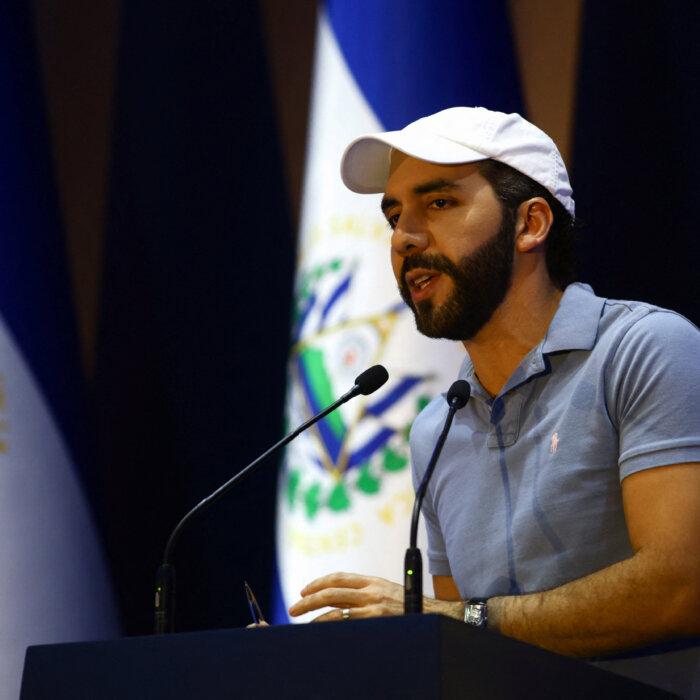
Some lawmakers in Congress who opposed the changes cited concerns that they would weaken democracy in the country and solidify one-party rule.
Following his reelection last year, Bukele told reporters he “didn’t think a constitutional reform would be necessary,” but did not answer questions regarding whether or not he would try to run for a third term.
“[Ninety percent] of developed countries allow the indefinite reelection of their head of government, and no one bats an eye,” he wrote. “But when a small, poor country like El Salvador tries to do the same, suddenly it’s the end of democracy.”
He said that while the political establishment may want to argue that their “parliamentary system isn’t the same as a presidential one,” like in El Salvador, that “technicality” in his view doesn’t justify what he called a “double standard.”
“Because if El Salvador declared itself a parliamentary monarchy with the exact same rules as the UK, Spain, or Denmark, they still wouldn’t support it. In fact, they would go ballistic if that happened. Why? Because the problem isn’t the system, it’s the fact that a poor country dares to act like a sovereign one. You’re not supposed to do what they do. You’re supposed to do what you’re told. And you’re expected to stay in your lane,” he said.
Bukele has seen his popularity soar in El Salvador, thanks, in part, to his government’s crackdown on violence and powerful street gangs, including the construction of the maximum-security Terrorism Confinement Center (CECOT), a mega-prison roughly 72 kilometers (45 miles) east of the capital, San Salvador.
In 2015, El Salvador had 6,656 homicides, making it one of the world’s deadliest countries. In 2023, there were 214 homicides. El Salvador closed 2024 with a record low of 114 homicides.
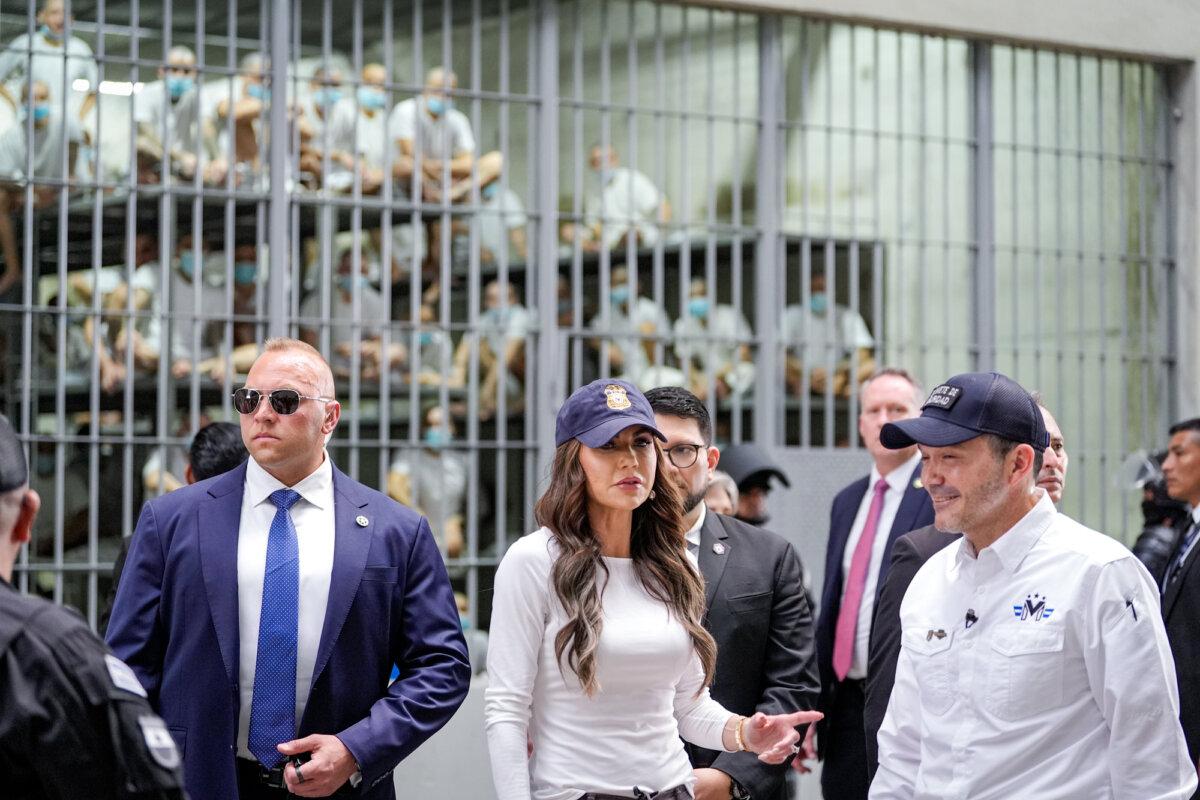
“You can think about it: any unlawful immigrant, illegal immigrant in the United States who’s a dangerous criminal – MS-13, Tren de Aragua, whatever it may be – he has offered his jails so we can send them here and he will put them in his jails. And he’s also offered to do the same for dangerous criminals currently in custody and serving their sentences in the United States, even if they’re U.S. citizens or legal residents. We are just profoundly grateful.”
At the time, Bukele confirmed in a statement that he agreed to house U.S. criminal deportees in El Salvador’s mega-prison in exchange for an unspecified fee from the United States.
Though Bukele’s crackdown on crime has seen homicides in the country plummet, it has sparked concern among human rights groups, who say innocent people have been caught up in the mass arrests.