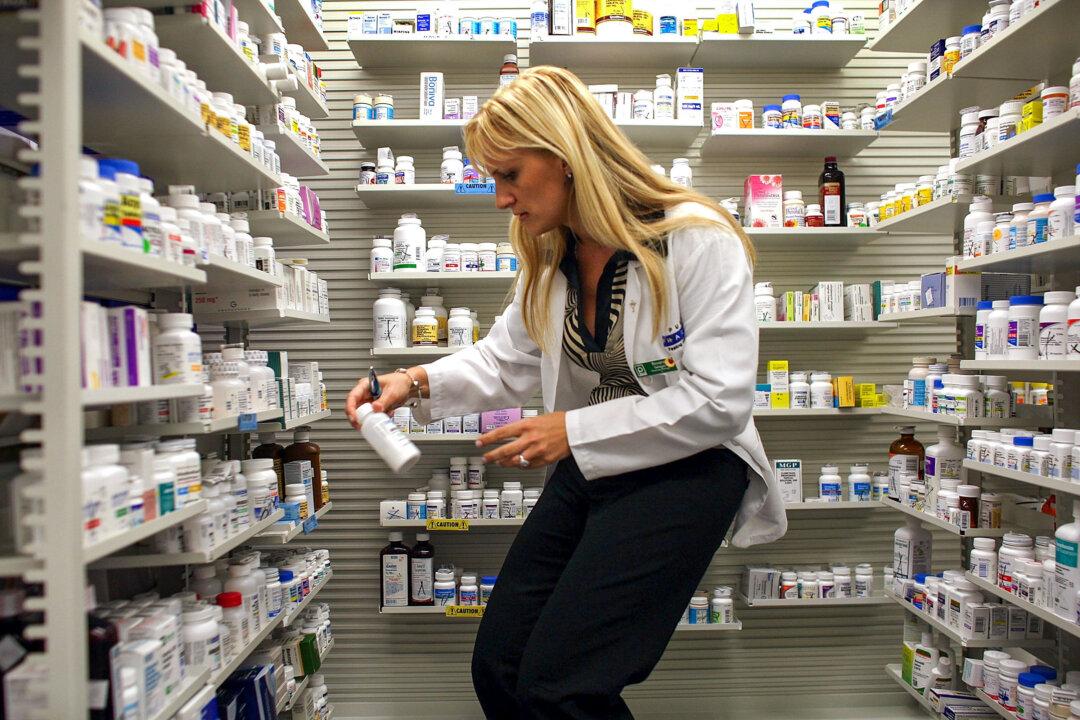
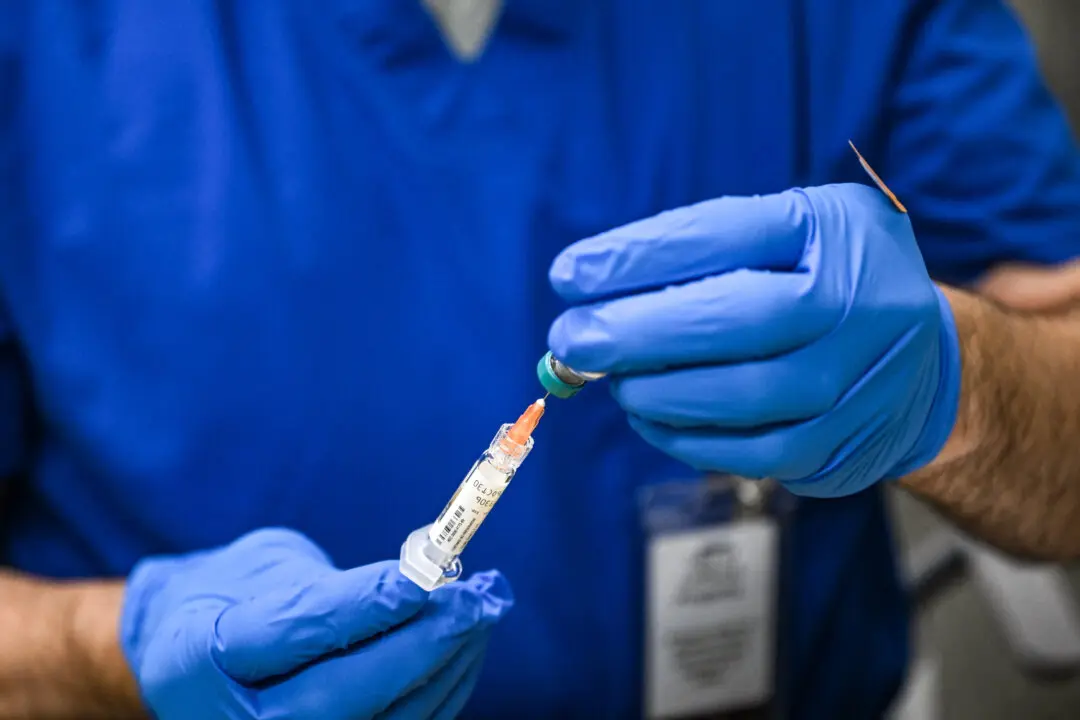
The U.S. Centers for Disease Control and Prevention (CDC) recently issued a health alert to address a shortage of medication used to treat the respiratory syncytial virus (RSV) lower respiratory tract disease in newborns and infants.
The CDC said it recommends prioritizing any available nirsevimab doses for “infants at the highest risk for severe RSV disease,” including those aged 6 months and younger or infants with underlying health conditions. The agency advised against using two 50-milligram doses for infants weighing more than 11 pounds to maintain the supply of the medication for children under that weight.
In a recent statement, Sanofi said that an unprecedented demand has placed a strain on supply of the drug, which is sold under the brand name Beyfortus.
“Despite an aggressive supply plan built to outperform past pediatric vaccine launches, demand for this product, especially for the 100 mg doses used primarily for babies born before the RSV season, has been higher than anticipated,” the company said in a news release.
The firm said it is working with the CDC to ensure “distribution of available doses through the Vaccines For Children” federal program. “Our approach for distribution across the private marketplace will be similar. We are working with our Alliance partner in charge of manufacturing, AstraZeneca, to accelerate additional supply and explore a number of actions to extend the manufacturing network.”

Nirsevimab, or Beyfortus, was approved by the Food and Drug Administration (FDA) earlier this year for young children. It’s a single shot that is given to children 8 months and younger and sometimes to children up to 24 months of age.
According to health officials, RSV primarily impacts the respiratory tracts among young children, individuals with compromised immune systems, and older people. It’s spread via respiratory droplets and is described as highly contagious.
Each year, according to the CDC, the virus leads to as many as 80,000 hospitalizations in younger children and around 160,000 hospitalizations in older adults. The CDC also says that most children will contract RSV by their second birthday, and most infections go away on their own without hospital care.
Symptoms include wheezing, coughing, a fever, decrease in appetite, runny nose, and sneezing, the agency says.
Other Drug Issues
In October, CVS Health said it is pulling from its shelves some cough-and-cold treatments that contain an ingredient that has been deemed ineffective by doctors and researchers.The drug store chain said it will remove a small number of oral decongestants that contain phenylephrine as the only active ingredient. CVS also said it will still sell “many other oral cough and cold products to meet consumer needs.”
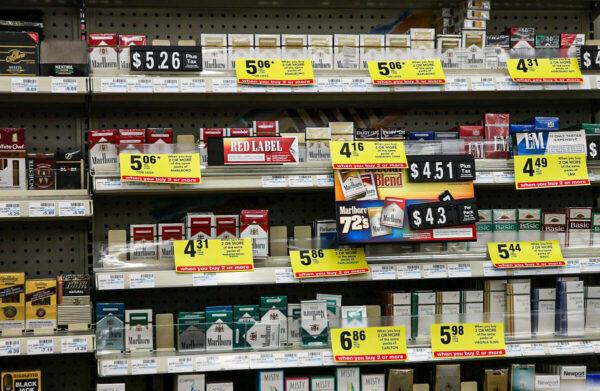
A Walgreens spokeswoman said the company is monitoring the situation and partnering with its clinical integrity office and suppliers “on appropriate next steps.”
FDA advisers voted unanimously in September against the effectiveness of phenylephrine, which is found in popular versions of Sudafed, Dayquil, and other medications stocked on store shelves.
The FDA had asked its outside advisers to examine the long-questioned drug ingredient. Studies conducted in the past few years by the drugmakers Merck and Johnson & Johnson have shown no difference between phenylephrine medications and placebos for relieving congestion.
The FDA, which has not acted on the recommendation of its advisers, said the drug appears more effective when applied directly to the nose, in sprays or drops. Those products are not under review.
Last year, there was a widespread shortage of children’s Tylenol and other medications amid the start of the annual influenza season and as a number of children went back to school last year.