The Link Between Vaccines and Guillain-Barré Syndrome Risk
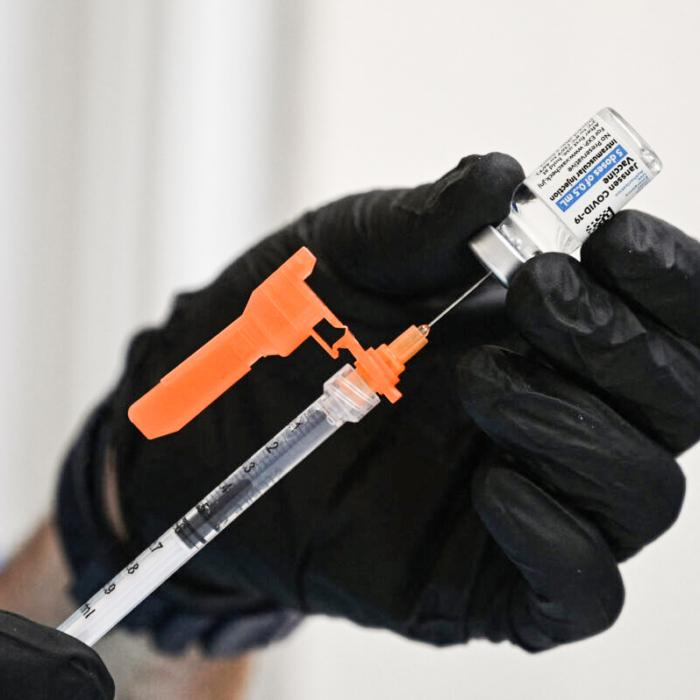
Increasing evidence suggests an association between COVID-19 vaccines and Guillain-Barré Syndrome. One study revealed an increase in GBS cases within 42 days of receiving the first dose of the AstraZeneca vaccine. The researchers suggest a potential link between the AstraZeneca vaccine and the increased risk of GBS.After assessing the risk factors for GBS following COVID-19 vaccination, it was found that viral vector-based vaccines were linked to a three-to-fourfold higher risk of GBS compared to mRNA-based vaccines.
In terms of age and gender, the incidence of GBS was higher in individuals aged 60 and older compared to younger age groups, and it was more common in men than women.
Based on a vaccine mechanism evaluation, the incidence rate of GBS for viral vector-based vaccines was 4.49 cases per million doses, higher than mRNA-based vaccines (Pfizer and Moderna) which had an incidence rate of 0.80 cases per million doses.
Onset of GBS Following COVID-19 Vaccination
In 2021, the British Medical Journal published a case study in which a 48-year-old man from Malta experienced facial paralysis on the left side of his face 10 days after receiving the first dose of the AstraZeneca vaccine. He was diagnosed with Bell’s Palsy grade III and received treatment with prednisolone, an oral corticosteroid, as well as eye drops and eye care.
The patient had pre-existing blood lipid abnormalities before vaccination, but no other relevant medical history or history of infections.
The patient also experienced intense and excruciating pain in the central area of the back, with conventional pain relievers proving ineffective. Over the next 24 hours, the patient’s facial paralysis symptoms progressively worsened, and similar symptoms appeared on the right side of the face.
Three days later, the patient developed grade V facial nerve paralysis on both sides of the face, and the severe back pain persisted. However, neurological examinations did not reveal any defects. The patient underwent a lumbar puncture, which revealed elevated protein levels (1,264 milligrams per liter) and an excess of lymphocytes beyond normal values, leading to a diagnosis of GBS. Subsequently, the patient was discharged after an improvement in facial paralysis symptoms.
However, in less than 24 hours, the patient returned to the emergency department with symptoms including lower limb weakness, absent reflexes, foot drop, moderate weakness in the hands, and pain sensations when wearing gloves or long socks. The doctor administered intravenous immunoglobulin (IVIg) at a dosage of 2 grams per kilogram of body weight, which continued for five days, along with oral prednisolone.
Subsequently, the patient’s condition rapidly improved, with significant recovery in muscle strength and limb paralysis, and complete disappearance of the facial paralysis symptom. After undergoing intensive physical rehabilitation therapy, the patient regained the ability to function independently. A follow-up examination two months later revealed only mild weakness in both hand muscles.
Researchers believe that among the various side effects of different vaccines, neurological complications may be one of the most severe, thus causing the greatest concern.
Symptoms of Guillain-Barré Syndrome
According to National Health Service in the UK, Guillain-Barré Syndrome is a rare and severe neurological disorder caused by an immune system dysfunction, with an extremely low incidence rate.Under normal circumstances, the immune system attacks any pathogens that make their way into the body. When the immune system malfunctions, it can mistakenly attack and damage the nerves.
The symptoms of GBS typically begin in the hands and feet before spreading to the arms and legs. Common symptoms include numbness, pins and needles, muscle weakness, pain, as well as balance and coordination problems. These symptoms may worsen over the next few days or weeks and then gradually improve. In severe cases, GBS can lead to difficulties in walking, breathing, or swallowing. Occasionally, it can be life-threatening, and some individuals may experience long-term complications. If you experience any symptoms of GBS, it is crucial to seek immediate medical attention.