Consuming nuts regularly can help prevent cardiovascular diseases and provide essential nutrients and phytochemicals. Wondering which nuts to choose? Nutritionist Huang Yiling shares the five nuts with the highest nutritional value and provides a guide for selecting, consuming, and storing the nuts.
8 Essential Nutrients for Cardiovascular Protection
Ms. Huang explained that nuts offer eight essential nutrients that promote CDV health:- Unsaturated fatty acids: Nuts contain monounsaturated and polyunsaturated fats, which help control cholesterol and blood pressure.
- Fiber: The fiber found in nuts promotes a healthy gut microbiome and aids in regulating blood lipids, blood sugar, blood pressure, and metabolism. Additionally, fiber reduces the absorption of excess fats in the intestines.
- Vitamin E: Vitamin E is good for CDV health and beneficial for fertility.
- Magnesium: Magnesium helps regulate the tension of vascular smooth muscles, stabilizing blood pressure.
- Polyphenols: The slightly astringent taste when eating nut skins comes from the polyphenols within. These polyphenols have antioxidant properties. Polyphenols enhance blood vessel elasticity and reduce inflammation when the vascular endothelium is attacked by oxidizing free radicals.
- Vitamin B: Folate and vitamin B6 aid in the metabolism of homocysteine. Excessive homocysteine can lead to endothelial cell attack, inflammation, vascular hardening, thrombus formation, and an increased risk of stroke.
- Potassium: Nuts are rich in potassium. Research suggests potassium is essential for blood pressure control.
- Plant sterols: Elevated cholesterol in the bloodstream can lead to atherosclerosis, high blood pressure, and strokes. Plant sterols, similar in structure to cholesterol, compete for absorption in the intestines, reducing the chances of cholesterol absorption.
Nut Consumption Enhances Satiety, Prevents Hidden Hunger
A Spanish study discovered that combining the Mediterranean diet with nut consumption can reverse metabolic syndrome, including abdominal obesity, high blood pressure, high blood lipids, and high blood sugar. The study involved 1,224 older participants divided into three groups: One group followed the Mediterranean diet plus one liter of extra virgin olive oil per week; the second group followed the Mediterranean diet plus 30 grams (1.05 ounces) of nuts daily; the third group was the control group on a low-fat diet. No groups had a calorie restriction.Results after one year revealed a 2 percent reduction in metabolic syndrome incidence in the control group, a 6.7 percent reduction in the Mediterranean diet plus olive oil group, and a significant 13.7 percent reduction in the Mediterranean diet plus nuts group.
Ms. Huang noted that the Mediterranean diet reduces metabolic issues, and adding antioxidant-rich extra virgin olive oil and polyphenol-rich nuts enhances its effects. Although calorie counting wasn’t conducted, consuming antioxidant nutrients helps control appetite. Furthermore, consuming nuts and healthy fats prolong gastric emptying, promoting a sense of fullness.
Ms. Huang continued that inadequate intake of antioxidants can lead to “hidden hunger,” where the body signals hunger not due to an empty stomach but insufficient nutrients. Therefore, consuming nuts or olive oil provides a greater feeling of fullness than processed foods and doesn’t trigger excessive appetite.
Top 5 Nuts Ranked
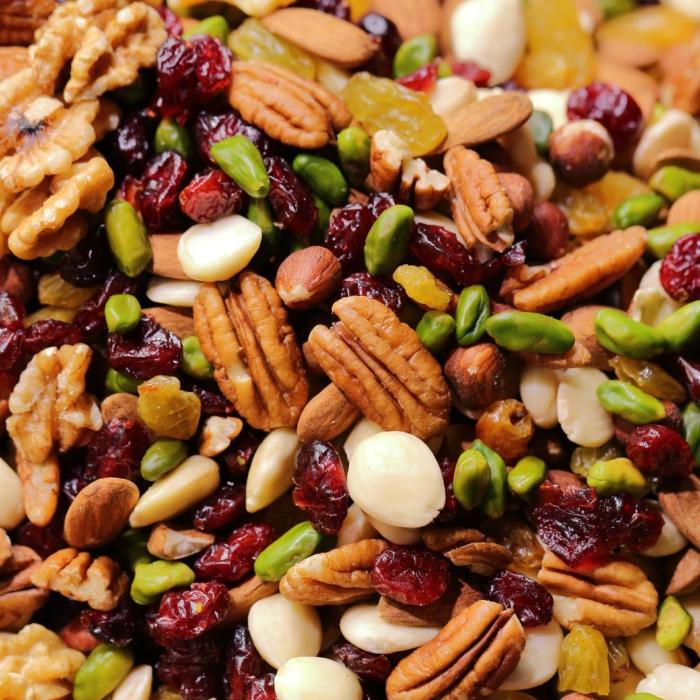
With a variety of nuts available, which ones do nutritionists prefer? Ms. Huang shared her top five nuts for nutritional value:No. 1: Brazil Nuts
Brazil nuts are rich in the trace element selenium. Selenium benefits liver detoxification and maintaining thyroid function and is commonly found in seafood like oysters. Incorporating a small amount of Brazil nuts can provide selenium for those who consume limited seafood. According to the U.S. Department of Agriculture (USDA), 100 grams of Brazil nuts contains 1,920 micrograms of selenium, 35 times the recommended daily intake for adults.
No. 2: Macadamia Nuts
Macadamia nuts are rich in monounsaturated fatty acids, which help regulate cholesterol and blood lipids.No. 3: Almonds
Almonds are an economical and nutritious option, containing high protein, fiber, potassium, and calcium levels.No. 4: Pistachios
With higher levels of vitamin E, pistachios are a source of fat-soluble antioxidants. If you don’t get vitamin E from nuts, your intake is relatively low.No. 5: Walnuts
Walnuts have a higher omega-3 content and anti-inflammatory properties, benefiting vascular and brain health, particularly in preventing stroke and vascular dementia.Selecting, Eating, and Storing Nuts
Beyond being enjoyed as snacks, nuts can take various forms, such as nut butter, smoothies, or nut flour, and can be added to salads or porridge to provide nutritional value.To prevent allergic reactions, it is advised to introduce one type of nut to children at a time during their early years. If there are no allergic reactions, the portion can be increased.
- Choose small packages: Opt for smaller packages when purchasing nuts. If buying in bulk, divide them into single-serving portions after purchase.
- Avoid storing in direct sunlight and humid environments: In regions with high temperatures and humidity, keep nuts in the refrigerator in single-serving portions. Once opened, nuts should not be placed back in the fridge, as moisture can hasten their deterioration.
- Monitor nut condition: Soft or rancid-smelling nuts indicate staleness and should be discarded.
- Bake with low temperatures: While high-temperature baking makes nuts more aromatic and crispy, antioxidants are vulnerable to degradation under high heat. Additionally, fats can become rancid during high-temperature frying. Thus, low-temperature baking is recommended.
- Select minimally processed nuts: Many nuts have sugar coatings, and excessive sugar intake is discouraged. Minimally processed nuts retain more nutrients, especially those with intact natural skins.