Why Does Fascial Adhesion Cause Pain?
Fascia is a connective tissue that covers muscles, bones, and organs, primarily composed of water and collagen. When the fascia is adequately hydrated and regularly arranged, smooth bodily movements are all but guaranteed. However, if the fascia becomes dry, tight, or sticks together, it can restrict range of motion, affect metabolism, and cause chronic pain.- Prolonged Immobility or Lack of Activity: Sedentary or older people who sit continuously for two to three hours at a time may experience a lack of movement, causing collagen in the fascia to become sticky and hinder its movement.
- Excessive Load or Repetitive Stress: People who do weight training or maintain poor posture for extended periods may experience excessive stress on the fascia, potentially leading to micro-tears.
- Lack of Rehabilitation Activities After Injury: Prolonged inactivity after an injury can easily lead to stiffness and adhesion of the fascia.
- Aging: With age, the moisture content of the fascia decreases, gradually becoming fibrotic, itself a concern affecting fascial health.
Benefits of Fascial Stretching
Healthy fascia is intricately arranged and elastic; however, injury, aging, or prolonged sitting can disrupt its structure. Regular fascial stretching can bring the following four benefits:- Improved Flexibility and Range of Motion: Improves the joint’s range of motion, increases muscle flexibility, and reduces stiffness and discomfort.
- Promotes Metabolism and Regulatory Function: Fascial tension could be transmitted to the cellular level. Stretching the fascia thus helps regulate metabolism and endocrine functionalities.
- Enhanced Proprioception: Improves motor coordination and reduces instability in daily activities and the risk of falls.
- Reduced Risk of Injury: Elastic fascia can absorb impact, protecting muscles and joints.
10 Fascial Stretches
The human body has multiple interconnected fascial lines, the most crucial of which is the superficial dorsal line. It starts at the scalp, passes through the rear of the neck, back, and buttocks, extends to the backs of the thighs and calves, and finally reaches the soles of the feet.Along its course, the superficial dorsal line is an important fascial line that supports the body’s upright posture. Tightness in the superficial back line can lead to headaches, heavy eye pressure, stiff neck and shoulders, lower back pain, or even hip pain, hip stiffness, tightness in the hamstrings, or plantar fasciitis.
1. Scalp Massage With Fingers
Step 1: Gently push and circle your fingers into the scalp to improve the smoothness of the scalp fascia.2. Neck Fascia Stretch
Step 1: Avoid pressing directly on the cervical spine; clasp one hand on the outer side of the upper trapezius muscle on the opposite side.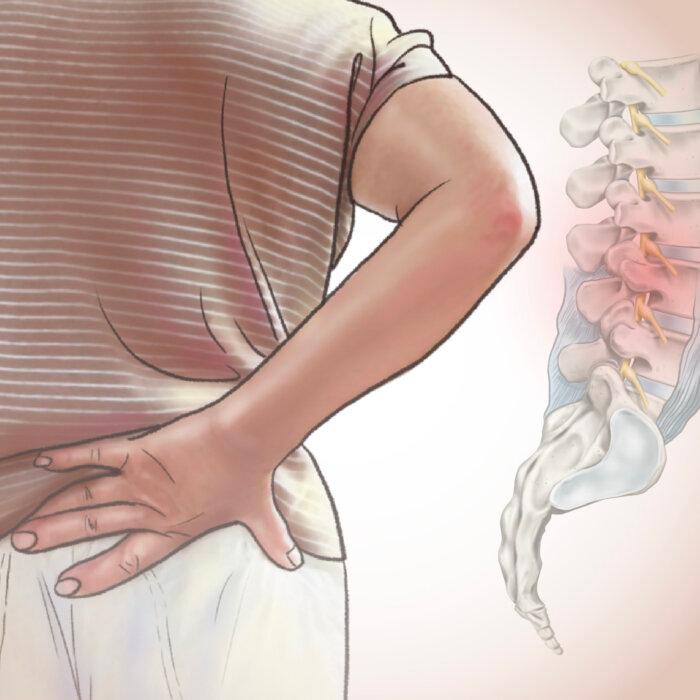
This movement helps relieve neck tension.
3. Arm Opening and Closing
Step 1: Seated, extend both arms forward, clap your hands in front of your chest, and bend your body slightly backward.4. Cat Stretch
Step 1: While kneeling, extend both arms forward, with the arms straight and touching the ground.5. Massage Ball on the Scapula and Latissimus Dorsi Muscles
Step 1: Lie down with knees bent and feet flat on the ground. Place a massage ball or roller under your back and press along the upper edge and inner side of the scapula.6. Buttocks and Side Waist Roller Massage
Step 1: Lie down with knees bent and feet flat on the ground. Use one hand to support your body.This movement can help relieve tension in the gluteus medius, gluteus maximus, and lower back muscles caused by prolonged sitting.
7. Thigh and Calf Roller Relaxation
Step 1: Sit with one leg bent and the other leg straight. Use one hand to support your body and place the massage roller under your thigh.8. Front Leg Stretch
Step 1: Sit with legs straight and open. Bend one knee so that your foot is facing the opposite thigh.This movement stretches the hamstrings and the fascia below the knee, helping to relieve hamstring tightness caused by prolonged sitting.
9. Leg Hug Stretch
Step 1: Lie down with legs straight and open. Bend one knee and place the ankle on the knee of the other leg.This movement effectively stretches the glutes and piriformis muscles.
10. Foot Flexion and Extension Stretch
Step 1: Sit with legs straight and open. Bend one knee so that the foot is facing the opposite thigh.This movement helps stretch the plantar fascia and is especially suitable for people with tight plantar fascia, those who stand or walk for extended periods.
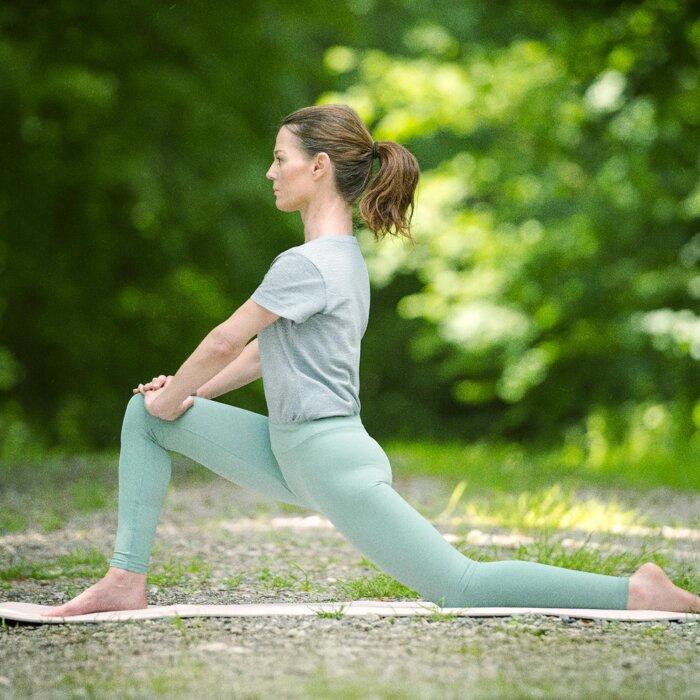
Fascial care requires consistency. Spending 10 to 15 minutes stretching daily can reduce soreness, improve flexibility, and help prevent chronic pain.