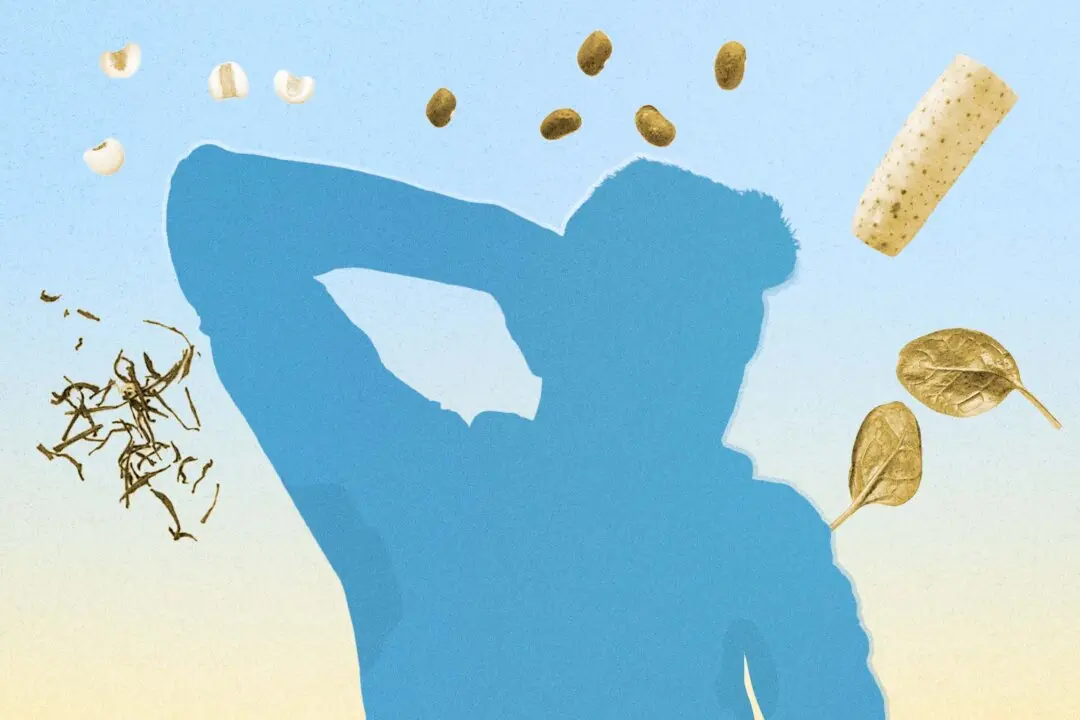
Feeling drowsy right after a meal? Often described as a “food coma,” the sensation is sometimes attributed to age or eating too much starch.
Lee Chia-ling, director of Aroma TCM Clinic, said on the “Health 1+1” program on NTD, a sister outlet of The Epoch Times, that feeling sleepy after meals is a warning sign of impaired spleen and stomach function. Rather than adopting an extremely low-carb diet or relying on protein powder, Lee suggested first nourishing your spleen and stomach.
Types of Post-Meal Drowsiness
Post-meal drowsiness is related to spleen and stomach function, as well as the type of food eaten and a person’s constitution, Lee said.
A weak spleen leads to the accumulation of metabolic waste in the body, which TCM refers to as “phlegm-dampness.” People with a phlegm-dampness constitution are more prone to diabetes and high cholesterol, and often have poor blood circulation, making it difficult for nutrients to reach the head. These people often experience particularly pronounced drowsiness after eating fried foods or desserts.

Some people are obese but lack muscle mass. These people tend to feel tired after eating anything, especially oily foods.
Muscle mass status is closely related to metabolic capacity, Lee said. Insufficient muscle mass leads to decreased metabolism and energy utilization, making post-meal fatigue and drowsiness more likely.
Downsides of Avoiding Starches
Many people believe post-meal drowsiness is related to excessive starch intake, leading them to cut out white rice, eat only vegetables and meat, or even replace meals with protein powder, Lee said. However, this omission often results in increased weakness and fatigue.
Natural grains, such as white rice, are actually important for nourishing the spleen. What truly burdens the body are refined starches, such as bread, cakes, and sugary processed foods, Lee said.
She also cautioned that while protein powder is convenient for breakfast, its rapid absorption and highly processed and flavored content can cause allergies, bloating, or indigestion in people with weak digestive systems. Natural protein sources such as fish, meat, eggs, and beans are generally more easily absorbed by the body.
Lee shared a case of a Buddhist monk who, fearing high blood sugar, abstained from rice and fruit and ate only vegetables. As a result, he became extremely thin, and his blood sugar did not improve. Lee noted that in TCM, the functions of the spleen and pancreas are closely related. Excessive dieting may actually deplete pancreatic function, making blood sugar control more difficult.
Expert’s Guide to Spleen Nourishment
4 Principles of Healthy Dietary Structure
Lee suggests the following principles to support healthy digestion and nutrient absorption:
Eat Regular, Balanced Meals: Avoid eating only one meal a day because of weight-loss injections or excessive dieting, as this can cause muscle loss and make it easier to regain weight later.
Follow a Consistent Eating Order: Eat foods in the order of meat, vegetables, starches.
Chew Slowly: Spend 20 to 30 minutes eating each meal. Eating too quickly can affect the autonomic nervous system and bile secretion, increasing the burden on the spleen and stomach.
Choose Neutral Foods: In TCM, neutral foods are mild in nature and less likely to irritate the body.
3 Acupoints to Strengthen the Spleen and Aid Digestion
If you feel drowsy and uncomfortable after a meal, Lee recommends massaging the following three acupoints to help support digestion, improve metabolism, and refresh the mind.
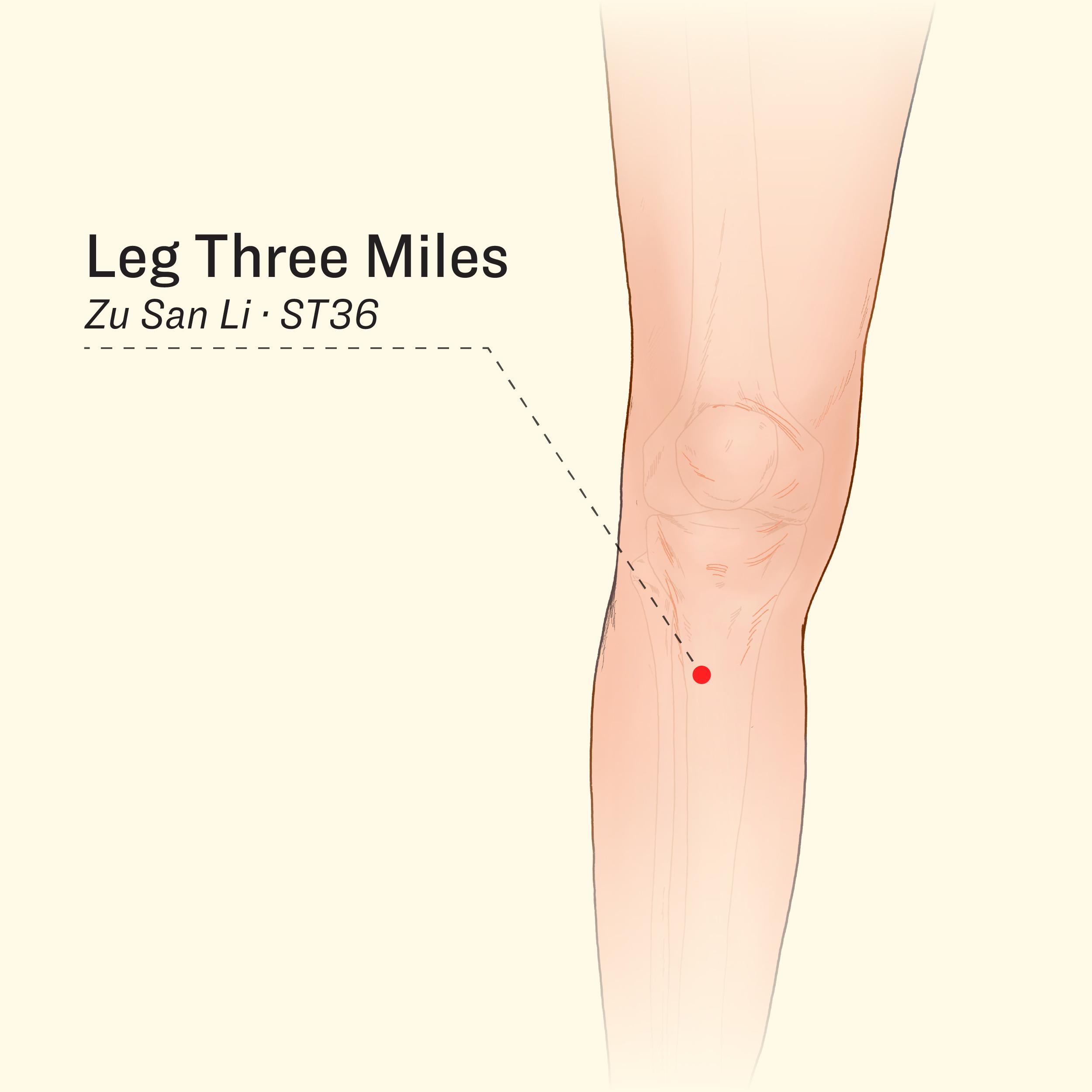
1. Leg Three Miles (Zu San Li, ST36)
Located three inches (four finger-widths) below the lateral knee eye on the anterolateral aspect of the tibia. Leg Three Miles is known as the “longevity acupoint.”
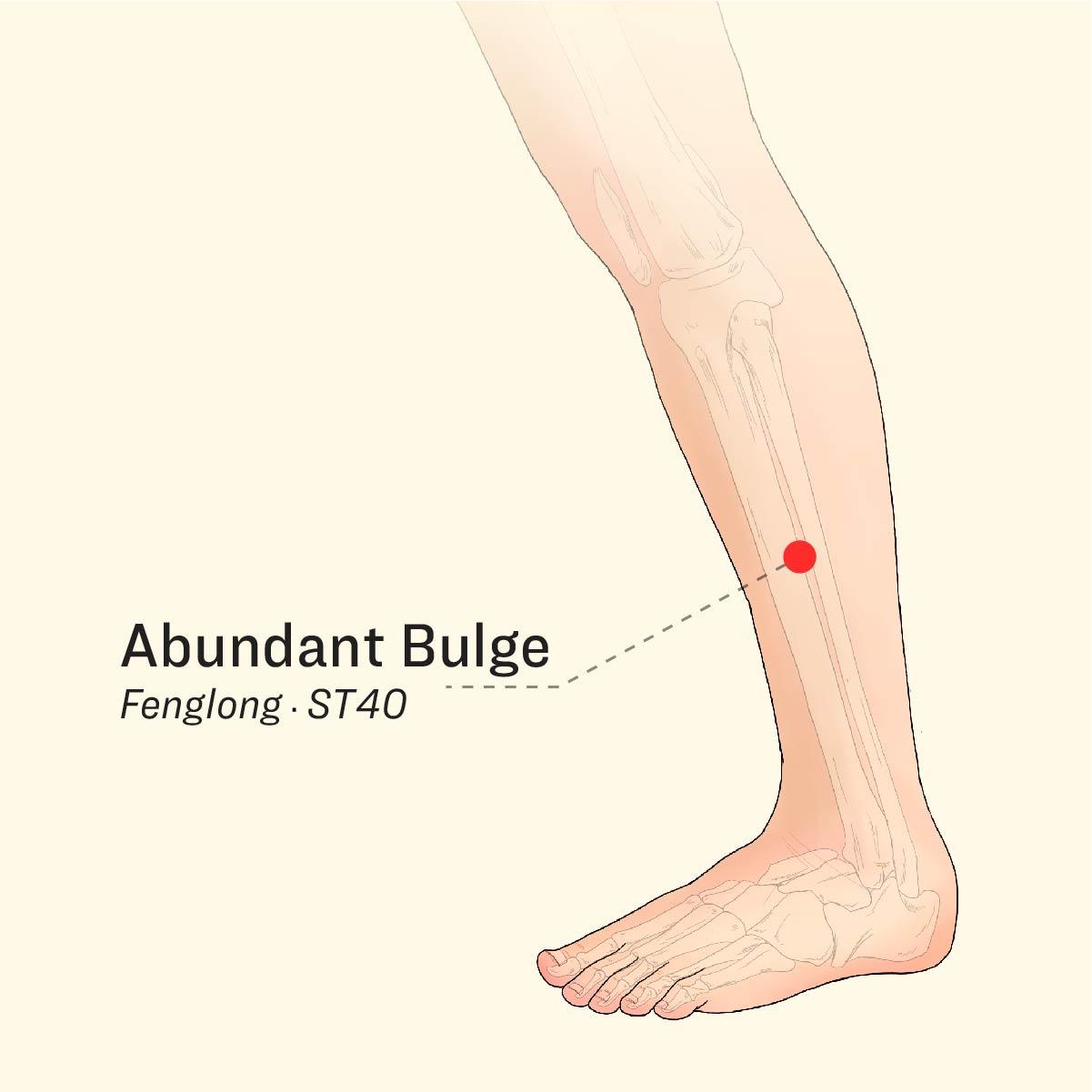
2. Abundant Bulge (Feng Long, ST40)
Located at the midpoint of the line connecting the lateral knee eye and the lateral malleolus. Pressing this point may produce a sore, distended sensation. This is considered a “phlegm-resolving acupoint,” suitable for those who have eaten too much oily food, want to lose weight, or feel drowsy after a meal.
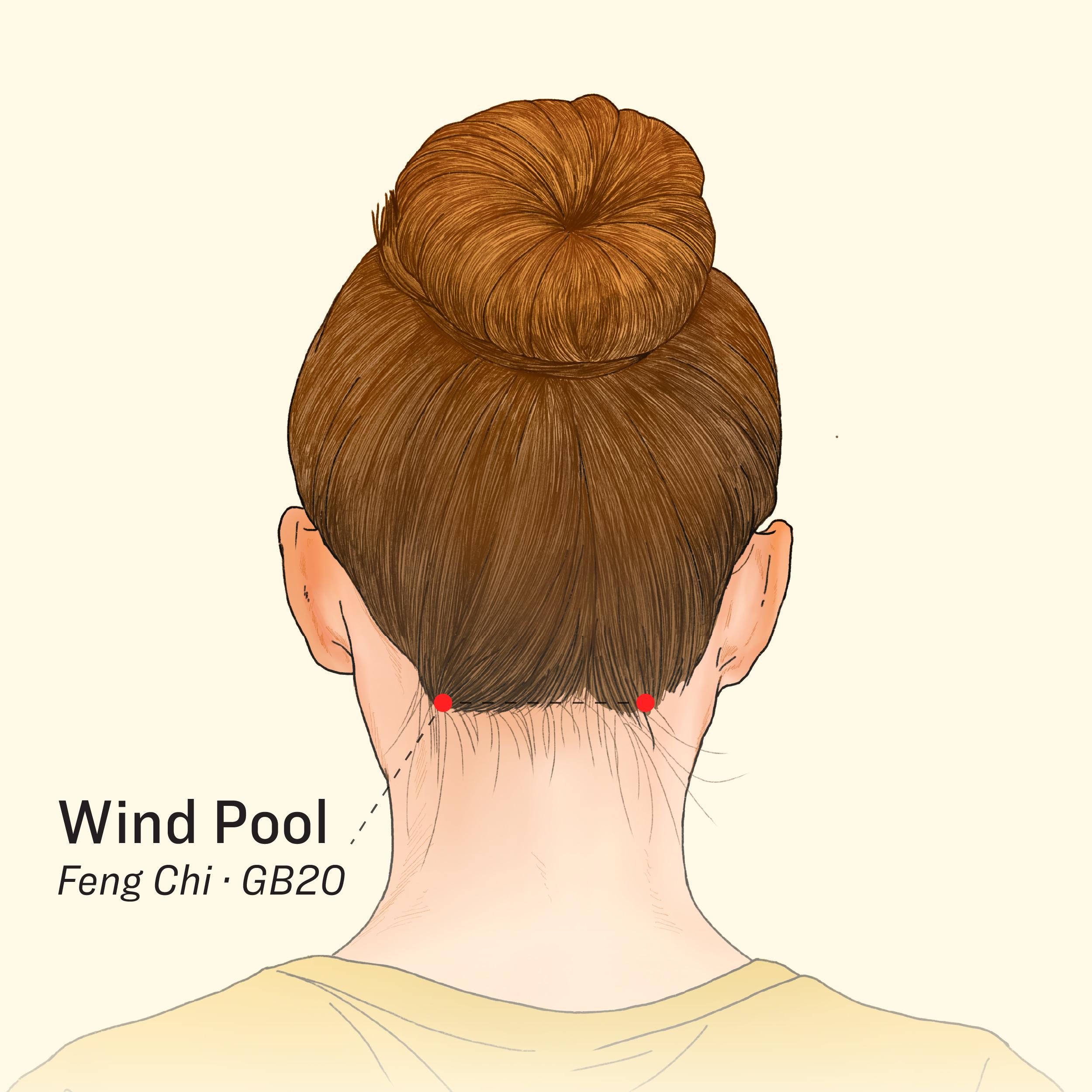
3. Wind Pool (Feng Chi, GB20)
Located at the back of the head, in the depression between the two large tendons below the occipital bone. It is believed to open the mind, promote circulation, and improve the feeling of heaviness in the head.