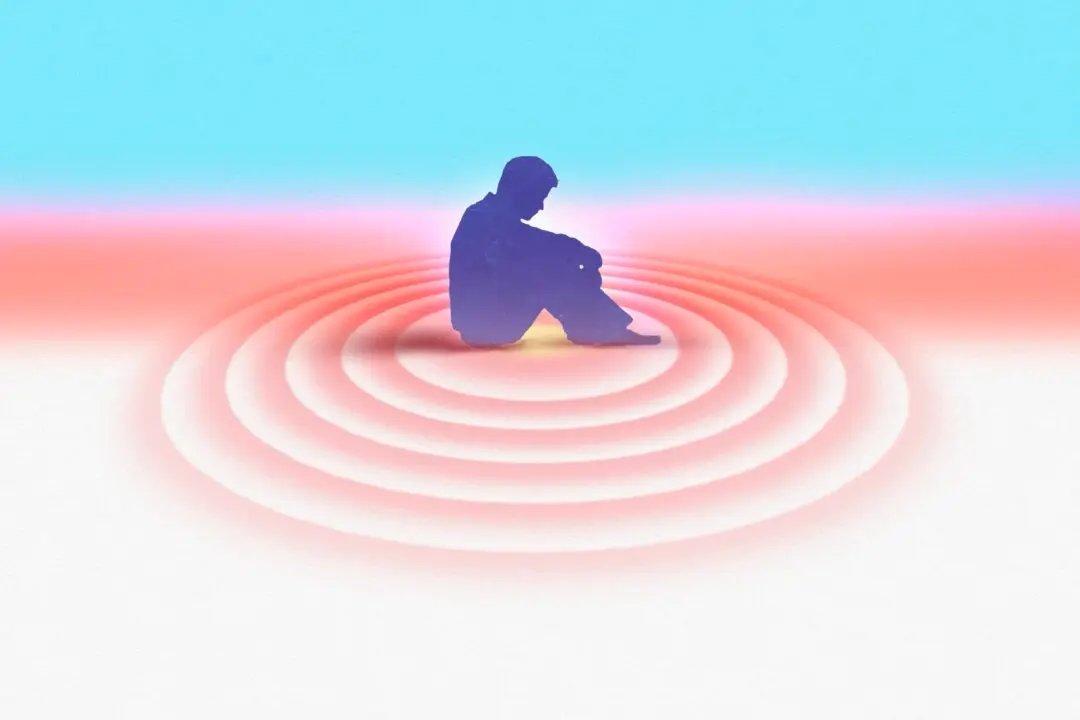
The spring and summer months, which typically mean connecting with friends and family, tend to be the peak season of loneliness.
But a new therapeutic may help ease those distressing feelings of disconnection. Researchers have found that oxytocin—the so-called bonding hormone—can improve people’s ability to form meaningful social connections and decrease acute loneliness.
Spray the Loneliness Away
With growing concerns over the health risks of loneliness, a team of German and Israeli doctors investigated whether oxytocin, a neurotransmitter tied to bonding behaviors that promote seeking social relationships, could enhance the effectiveness of group therapy for treating loneliness.Intranasal preparations of synthetic oxytocin are prescription medications widely studied for their effects on social behavior. The researchers found that participants dosed with the bonding hormone had an easier time connecting with others during the therapy sessions.
“The psychological intervention was associated with a reduced perception of stress and an improvement in general loneliness in all treatment groups,” Ms. Lieberz said.
The participants who received it reported a reduction in acute feelings of loneliness compared with the placebo group, and this effect “was still visible at the follow-up examination after three months,” she noted.
At the start of the study, the participants reported feelings of loneliness through self-assessments. They were repeated after each weekly session and again at two follow-ups (three weeks and three months).
The researchers noted that differentiating between “perceived” and “acute” loneliness can be challenging. Nonetheless, they are optimistic that oxytocin can be a supportive aid because it helps reduce loneliness. According to Ms. Lieberz, the most notable reduction was observed at the beginning of the therapy sessions, when patients often feel more distressed.
The Loneliness Trifecta
A recent scientific review published in Neuroscience & Biobehavioral Reviews suggests that “lonely individuals may have an oxytocin imbalance, which in turn affects their health and well-being.”The review looks at loneliness from multiple disciplines, including neuroscience, sociology, and clinical medicine, and presents three sources of loneliness—impaired social interaction, the oxytocin system, and illness—that are interconnected in lonely people.
- Lonely people tend to react differently to social situations, depending on the duration of their loneliness. Short-term loneliness motivates people to seek connections, while chronic loneliness leads to avoidance of others.
- Dysregulation of the oxytocin system contributes to negative perceptions in lonely people. It affects multiple processes, such as social seeking, pair bonding, trust, and emotional recognition, which are critical to building relationships.
- With either physical or mental illness, patients enter a vicious cycle of isolation–loneliness–isolation that is difficult to overcome.
1 in 4 Adults Plagued by Loneliness
Loneliness is a subjective, distressing feeling of lacking connection and desiring more satisfying social relationships, as described by the Global Initiative on Loneliness and Connection. This international organization works to increase awareness of loneliness and social isolation as part of social, economic, and health problems. It can stem from societal pressures, grief, or emotional isolation, leaving people to attend events or pursue hobbies alone.Even so, one can be alone without feeling lonely. One can also be surrounded by friends and colleagues or even be married yet feel lonely.

Connection Remedies Loneliness
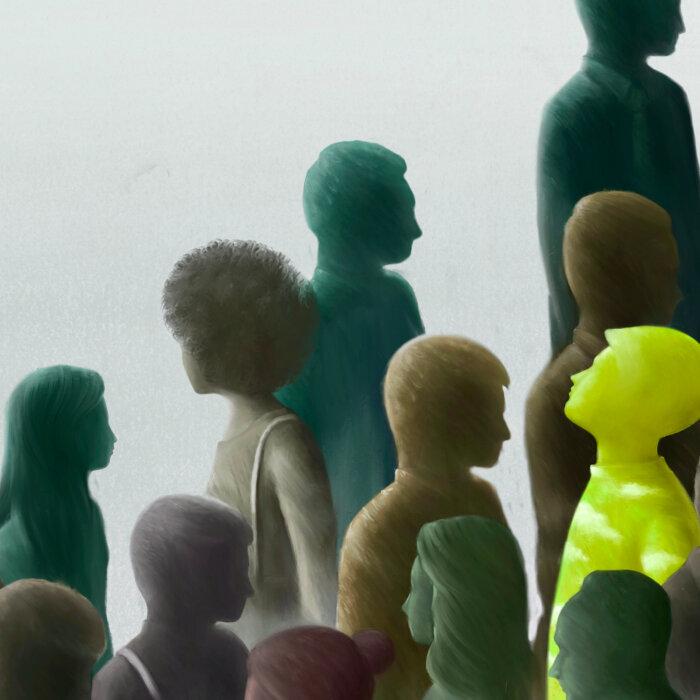
Research suggests that meaningful social connections benefit mental health. Dr. Murthy recommends that Americans strengthen their social connections to alleviate loneliness and isolation.- Joining a group: Pursue your interests by joining a club or group, such as a choir, dance class, or book club. Transforming a solo activity into a social experience can foster connections.
- Volunteering: Helping others can give one a more positive outlook. Studies show volunteers live longer and feel less lonely.
- Buying social experiences: Attend performances, museum tours, or food tastings. Shared experiences create a sense of kinship.