Mushrooms can help prevent cognitive impairment, according to a number of studies, and traditional Chinese doctor Hu Naiwen of Taiwan’s Shanghai Tong Te Tang shared his insight on how to choose and prepare the fungi to get the most benefits, in a recent video on his YouTube channel Hu Naiwen’s Lectures.
One key focus of research on mushrooms is their potential effects on dementia, a disease that can have a severe impact on a person’s cognitive and behavioral response, reducing his or her ability to lead a normal life.
Since the outbreak of COVID-19, several studies have focused on the impact of infection and vaccination on the brain and nervous system.
Mushrooms Can Prevent Brain Degeneration
Hu pointed out that mushrooms could have a role in preventing dementia because they are rich in ergothioneine, which is a natural compound with strong antioxidant and anti-inflammatory effects, which protect nerve cells from damage. This is likely to be an important element in preventing dementia.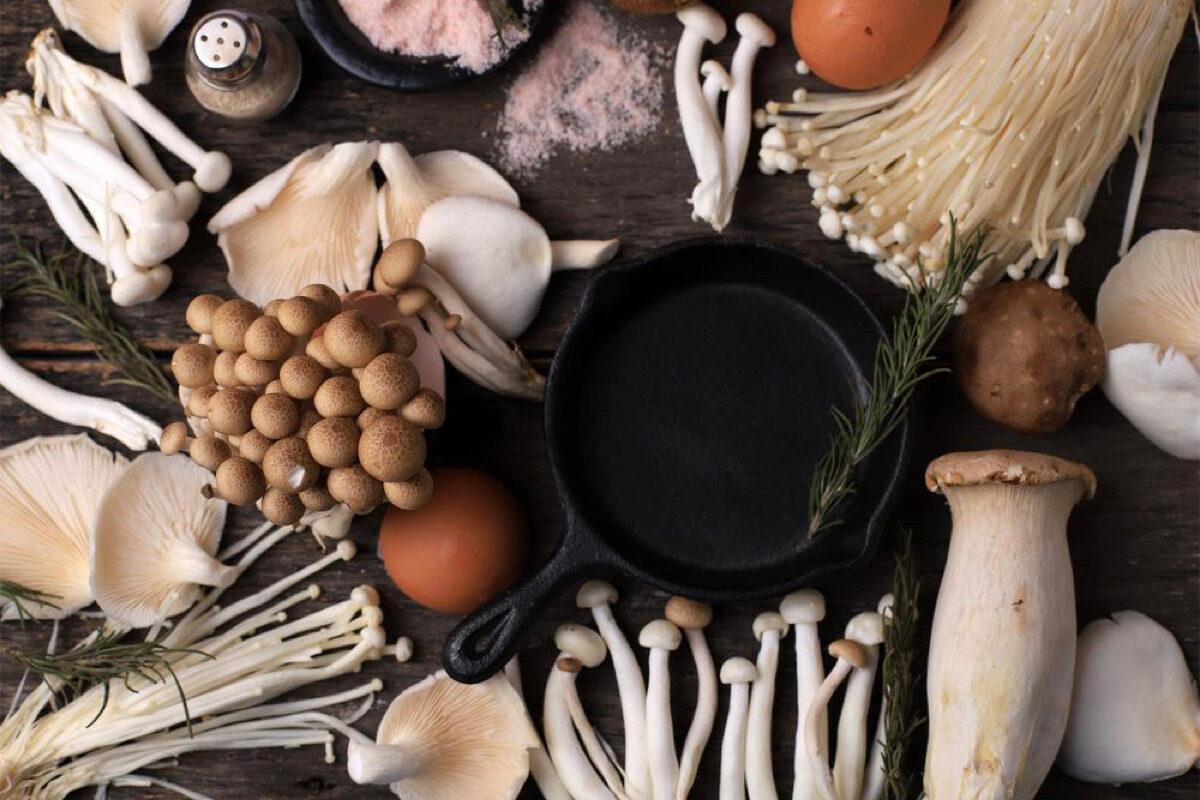
Classification of Mushrooms and Their Respective Functions
Hu said that mushrooms are generally divided into two broad types: fresh and sun-dried. Because of their exposure to the sun, the latter usually contain more vitamin D, which can help the body absorb and balance calcium.Hu also listed three categories of mushroom based on application: medicinal, poisonous, and edible. Some mushrooms with medicinal effects are Cordyceps sinensis, Poria cocos, Ganoderma lucidum, and Antrodia cinnamomea.
Poisonous mushrooms include many varieties found in the wild that are traditionally known to damage physiological functions or even cause death.
Some common edible mushrooms are oyster mushroom (Pleurotus ostreatus), beech mushroom (Hypsizygus tessulatus), enoki mushroom (Flammulina velutipes), golden oyster mushroom (Pleurotus citrinopileatus), shiitake mushroom (Lentinula edodes), and straw mushroom (Volvariella volvacea).
Oyster mushrooms are petite in appearance and have a relatively short shelf life. They should be consumed quickly, while they are still fresh. They have a smooth taste and are ideal for stir-frying with shredded pork. The beech mushroom is great for soup or cold salad, but it isn’t recommended for barbecue as it will affect the overall taste of the dish.
Mushrooms Have ‘Umami,’ the Mysterious 5th Taste Profile
It has long been believed that there are just four basic taste profiles: sweet, salty, sour, and bitter. In 1907, Japanese chemist Kikunae Ikeda successfully extracted L-sodium glutamate from kelp soup and found that it was the substance that could produce umami, or savoriness, a fifth taste profile. Mushrooms are rich in glutamic acid, so adding a little mushroom to stir-fry or stew can elevate the taste profile and give it complexity.‘1 Soup, 1 Pot’ Recipes
Mushroom Combo Health Pot: Prevent Brain Degeneration
Ingredients:- Handful of fresh shiitake mushrooms
- Handful of beech mushrooms
- Bit of enoki mushrooms
- 1/4 cabbage
- 1/4 pumpkin (sliced)
- 5 red dates
- Small handful of wolfberries
- 1,000 milliliters (2.1 pints) of water
Mushroom Chicken Soup: Nourishing and Beautifying
Ingredients:- 8 dried shiitake (or flower) mushrooms
- Half a chicken cut into pieces
- 1 piece of old ginger cut into 10 slices
- 6 red dates
- 1,500 milliliters (3.17 pints) of water
- 300 milliliters (0.6 pints) of water (for the shiitake mushroom)
- Salt to taste
Hu emphasized that the longer the cooking time, the better, as almost all the nutrients will be released into the soup.
Selection and Preservation of Shiitake Mushrooms
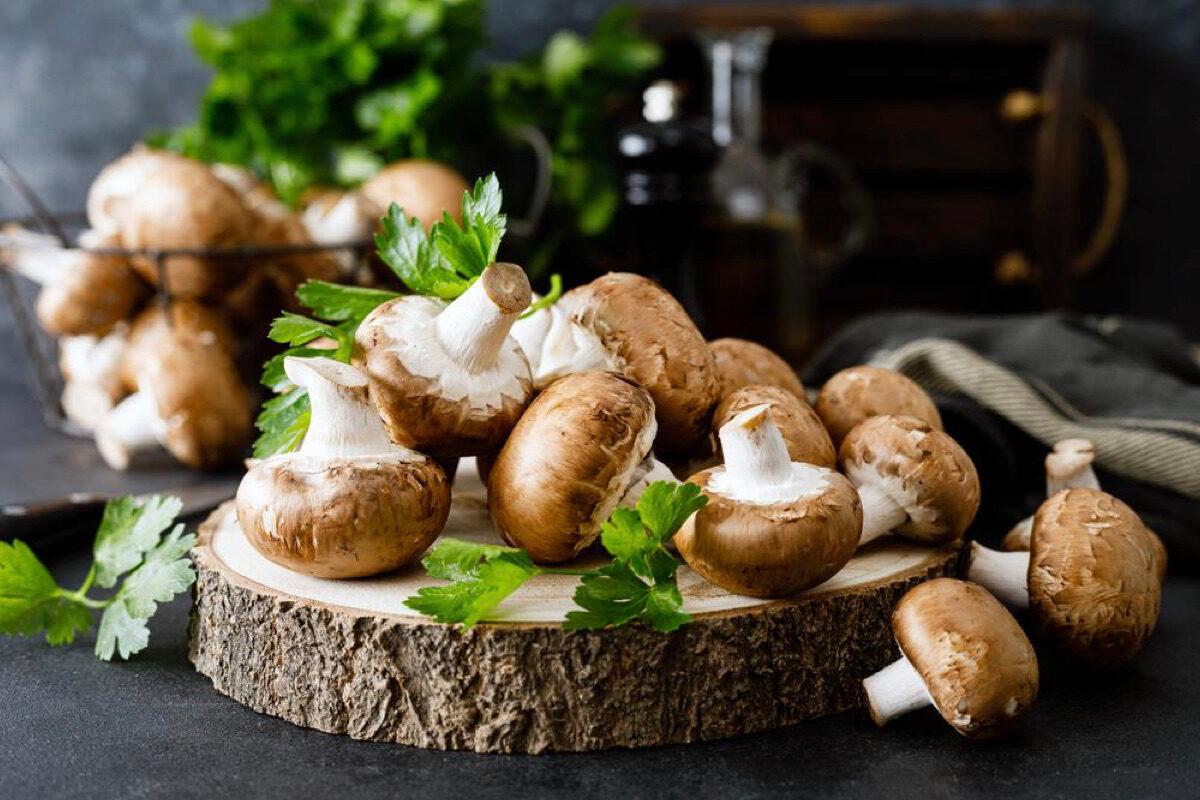
Hu shared two tips for choosing fresh shiitake mushrooms:- The gills should be distinct and radial, arranged neatly and not stacked together.
- Fresh mushrooms are tall and elastic, with a dry surface and clean color without softening, water seepage, or discoloration.
It’s best to cook soaked shiitake mushrooms as soon as possible to avoid discoloration and mold. Moldy shiitake mushrooms should never be eaten.
Who Should Avoid Eating Shiitake Mushrooms?
Hu emphasized that certain types of people should avoid eating shiitake mushrooms.- Mushrooms contain a lot of purine, which can easily induce or aggravate gout, so patients with gout or chronic kidney disease should not eat too many shiitake mushrooms.
- Shiitake mushrooms can be inflammatory, so people with inflammation should avoid them so as not to worsen their symptoms.
- Pregnant women shouldn’t eat shiitake mushrooms to avoid fetal skin allergies.