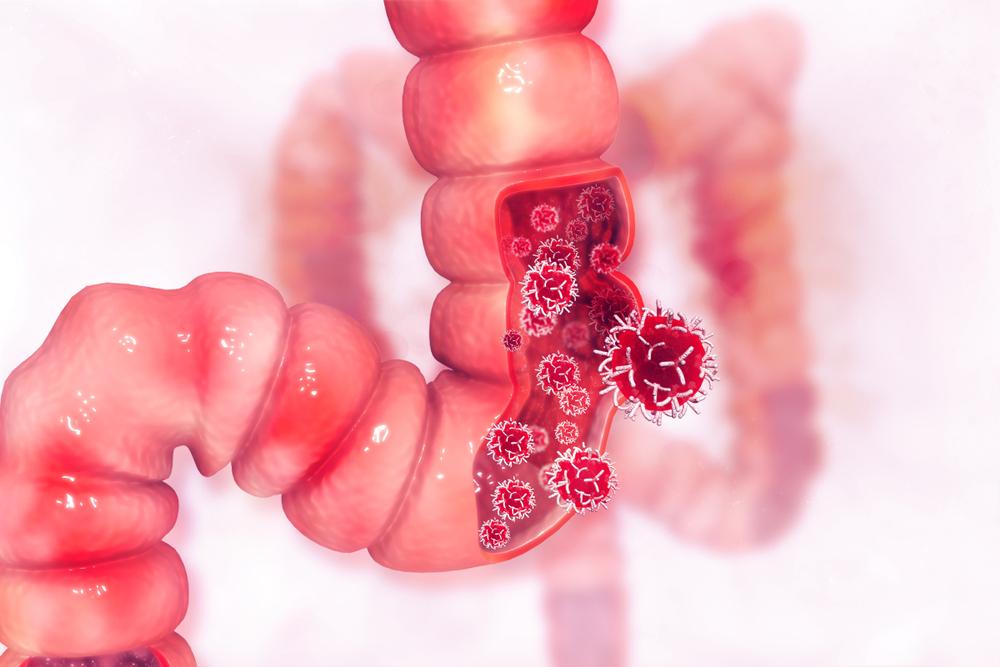
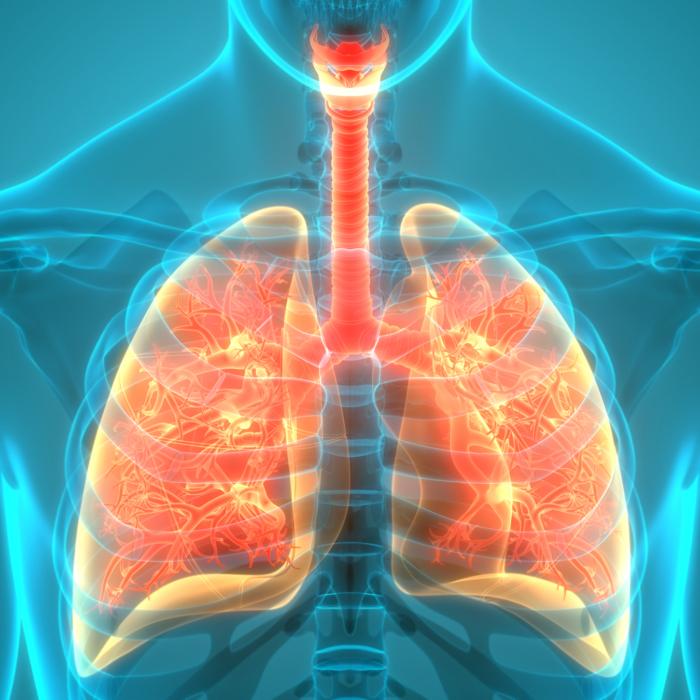
TCM describes the body’s immune defense as “wei-defensive qi,” which is closely linked to lung health. When the lungs are weak (lung qi deficiency), wei-defensive qi also declines, making a person more prone to colds, coughs, and runny noses.
Signs of Lung Qi Deficiency
- A pale complexion, a weak or soft voice, or feeling too tired to speak
- Frequent fatigue, low energy, and shortness of breath after light activity
- Catching colds easily, sensitivity to wind or cold, and cold hands and feet
- A weak cough producing thin, clear phlegm
- A pale tongue with a whitish coating
A Simple Exercise to Strengthen Lung Qi
Hu shared with The Epoch Times a traditional lung-nourishing exercise that has been practiced for hundreds of years.A Key Acupoint for Improving Lung Function
According to TCM, meridians are the channels through which energy flows in the body. The lung’s energy flows along the lung meridian, which runs along the inner side of the arm toward the thumb. Stimulating specific acupoints on this meridian can help improve lung-related conditions.
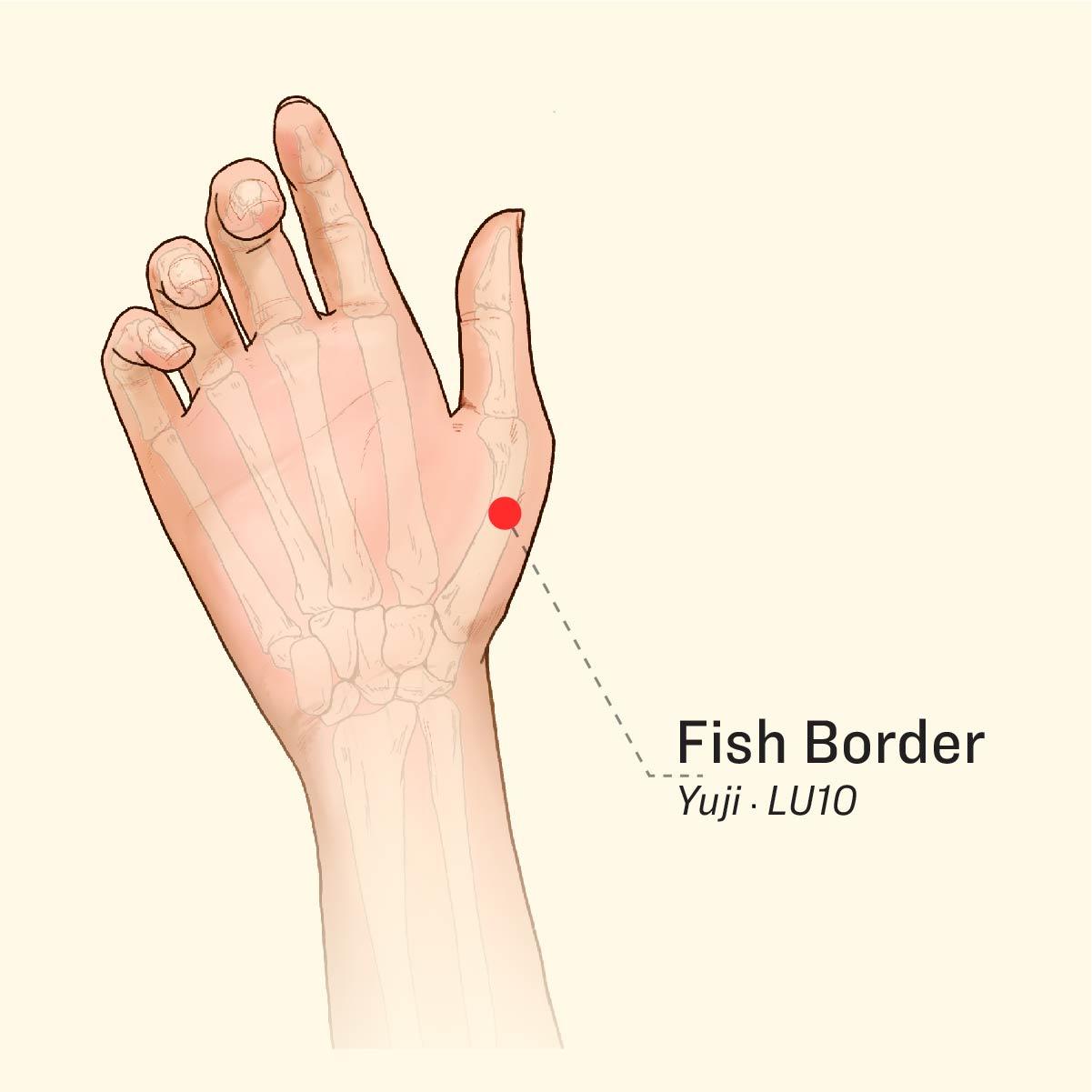
If acupuncture is not an option, tapping or massaging acupoints can also serve as an easy self-care method. Hu recommended stimulating the yuji acupoint to help relieve coughing, chest tightness, and vocal cord inflammation.
Rapid Relief From Sore Throat Through Ear Acupoints
TCM offers a simple technique to ease throat discomfort caused by coughing.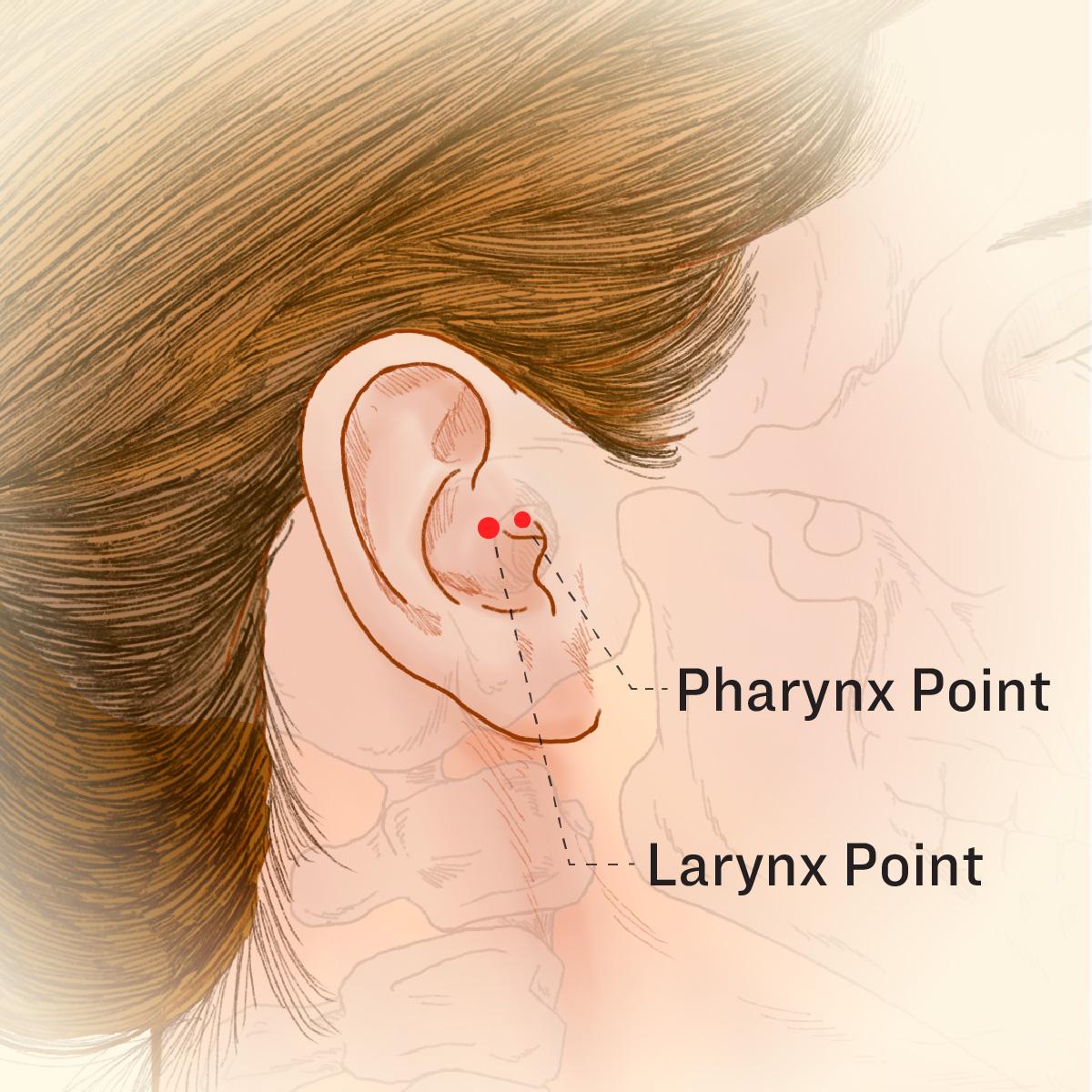
Hu recommended massaging two ear acupoints: the pharynx point and the larynx point. The pharynx point is located just above the ear canal at the 12 o’clock position, and the larynx point lies nearby at the 10 to 11 o’clock position.
Apple-Onion Infusion
For those who tend to cough or experience a dry, itchy throat when the weather changes, a warm drink can help nourish the lungs and soothe the body.Hu recommended a delicious, lung-nourishing beverage—an apple-onion infusion.
“This drink does not just suppress symptoms,” he said. “It helps regulate lung qi, allowing the body to restore its natural balance.”
- Dice two apples and one onion.
- Place an empty cup upside down in the center of a large bowl, then spread the diced apple and onion evenly around it.
- Set the entire bowl into an electric cooker. Pour about 17 fluid ounces of water into the outer pot. Steam until the switch pops up, or for about 45 minutes.
- The condensed essence will collect inside the cup. Use tongs to remove the apple and onion pieces, then carefully pour out the liquid. The steamed apple and onion can be reused to make Japanese-style curry.
Foods That Nourish the Lungs
Daily diet plays an essential role in supporting overall lung health.Dr. Jingduan Yang, CEO of Northern Medical Center in New York, an Epoch Times contributor, and a practitioner of TCM, noted that, unlike conventional medicine—which focuses on the nutrient composition of food—TCM emphasizes the energetic properties of food.
These include a food’s color, taste, thermal nature—cold, cool, neutral, warm, or hot. Properties also include a food’s “meridian affinity”—a concept in TCM that describes how the energy of each food is believed to enter specific organ systems through their corresponding meridians.
In TCM theory, the color white corresponds to the energy of the lungs, and many lung-nourishing foods are white.
From a thermal perspective, cold-natured foods help cool the body, while warm-natured foods provide warmth. The goal is to maintain balance in the body by eating foods with complementary thermal properties.
Chinese Yam
Chinese yam is white in color, mildly sweet in taste, and energetically neutral. It is said to enter the spleen, lung, and kidney meridians.According to the Five Zang Organs Theory, nourishing the lungs also involves supporting the spleen and kidneys. In TCM, the term “spleen” is not limited to the anatomical organ but also represents the body’s overall digestive function, including that of the pancreas, Yang said.
The lungs rely on the spleen—the digestive system—for nourishment, while the kidneys depend on the lungs for support. When kidney qi is deficient, it can, in turn, deplete lung qi.
Snow Fungus
Snow fungus is rich in natural gelatinous compounds that help replenish body fluids, moisten the lungs, and soothe dry coughs—earning it the nickname “moisturizer for the lungs.”White Radish
White radish helps transform phlegm and relieve coughing, making it particularly suitable for people with excessive phlegm or an itchy throat. It can be eaten raw or cooked in soup.Glutinous Rice
Glutinous rice helps warm and tonify the spleen and lungs, thereby alleviating fatigue. Mildly sweet and warm in nature, it enters the lung, stomach, and spleen meridians. It is beneficial for people who experience tiredness, sensitivity to cold, poor digestion, or excessive sweating.Honey
Honey helps moisten dryness, promote bowel movements, and relieve dry cough. Sweet and neutral in nature, it enters the spleen, lung, and large intestine meridians. It is beneficial for people experiencing fatigue, chronic dry cough, or constipation, as well as for those recovering from lung infections and for older adults.Duck Meat
Duck meat is cool in nature and salty in taste, and it is said to enter the spleen, lung, and kidney meridians. It is beneficial for people experiencing dry mouth, coughing, heat in the palms and soles, irritability, or night sweating.Pear
Pear helps moisten dryness, transform phlegm, clear heat, and generate fluid. It is sweet and slightly sour in taste and cool in nature, and it enters the lung and stomach meridians. It is particularly suitable for those experiencing thirst, dry cough, or constipation.Nourishing the lungs does not require expensive herbs. Simple practices such as acupoint massage, dietary adjustments, and regular exercise can help strengthen lung qi and enhance immunity.
Starting today, try tapping the Yuji acupoint, drinking a cup of apple-onion infusion, or including more white foods in your diet to support overall lung health.