This copy is for your personal, non-commercial use only. Distribution and use of this material are governed by our Subscriber Agreement and by copyright law. For non-personal use or to order multiple copies, please contact The Epoch Times Reprints.
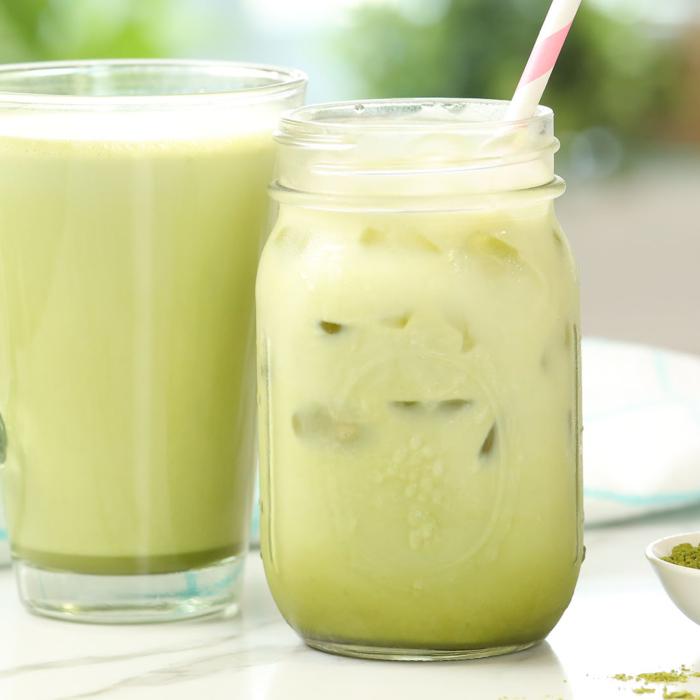
Matcha has a long and distinguished history and is considered unique in the world of tea. Aside from its significance as part of the traditional Japanese tea ceremony, it’s distinct because the leaves are ground into a fine powder and consumed in their entirety.
The way matcha is grown and harvested also is unique. Only the young leaves from the tea plant (Camellia sinensis) are used, and plants are shaded for about a month before harvesting to improve their flavor and color and to increase the content of bioactive compounds such as theanine, caffeine, chlorophyll, and various catechins. The young leaves are then ground with a stone mill to produce the fine green powder we know as matcha.
Cognitive Benefits
Matcha’s catechins—powerful antioxidants responsible for many of its health benefits—can prevent and treat many chronic diseases, research suggests. A growing number of studies find that green tea can boost cognition, improve memory and focus, elevate mood, and even protect the brain against neurodegenerative disorders such as Alzheimer’s and Parkinson’s.
One study using matcha as a drink and in snack bars tested its effects on mood and cognitive performance. Participants performed cognitive tests assessing attention, information processing, and working and episodic memory. Participants taking the matcha drinks and bars demonstrated significantly improved basic attention and psychomotor speed in response to stimuli compared with the placebo group.
Another study assessed the results of drinking 2 grams of green tea powder daily for three months on elderly nursing home residents with cognitive dysfunction. The participants had significantly increased cognition scores after three months of green tea consumption.
Supports Weight Loss
Drinking matcha regularly can increase your metabolism and help you burn fat more efficiently. Of course, there is no quick fix for weight loss, but adding matcha to your weight loss program may help increase your results.
One study in The American Journal of Clinical Nutrition demonstrated that matcha increased thermogenesis—the heat your body creates as it burns calories and fat.
Matcha also supports healthy weight loss by helping you feel more satiated, as it contains a catechin called epigallocatechin-3-gallate (EGCG), which increases cholecystokinin—a gut hormone that makes you feel full.
In another study, consumption of green tea improved abdominal fat loss in overweight and obese adults.
Improves Oral Health
Research shows that matcha oral cleanliness and health. No one likes having bad breath, and about 90 percent of bad breath comes from bacteria-producing volatile sulfur compounds in the mouth. The polyphenols in tea have antimicrobial and deodorant effects that can help to combat smelly breath.
In one study, when compared with chewing gum, mints, and parsley-seed oil, green tea demonstrated the most significant reduction in the mouth gases that cause bad breath. Green tea’s antibacterial properties will also keep mouth bacteria under control and keep your mouth feeling clean.
Green teas such as matcha can even help fight cavities. Studies show that green tea can prevent plaque buildup and bacteria growth, preventing the formation of cavities and keeping your teeth strong and in good health.
Matcha also contains a considerable list of vitamins and minerals essential for maintaining a robust immune system, which includes vitamin C, vitamin B1 (thiamine), vitamin B2 (riboflavin), vitamin B3 (niacin), magnesium, fluorine, zinc, selenium, and chromium. In addition, matcha contains 10 times more antioxidants than other green teas, making it a super immune booster.
Matcha powder being sifted at Ippodo in Manhattan. Benjamin Chasteen/Epoch Times
Benefits Skin
Matcha has also proven beneficial for the skin. Matcha is an ingredient in various topical skin products because of its effects on the body’s largest organ.
The catechins in matcha are excellent detoxifiers and scavenge harmful free radicals that can lead to accelerated aging.
One study found that green tea improved acne by reducing the production of sebum—an oily substance the body produces to keep the skin hydrated.
Another study found that topical and oral use of green tea can protect against ultraviolet light damage from the sun—a cause of oxidative stress and accelerated aging.
A review also found that EGCG helped promote wound healing and prevent scars because of its anti-inflammatory, antimicrobial, angiogenesis (formation of new blood vessels), and antifibrotic (reducing the growth of fibrous tissue) properties.
Cholesterol
Research suggests that drinking matcha regularly is a great way to keep cholesterol levels balanced. Both green and black teas have been studied for their effects on cholesterol levels. Matcha contains much higher amounts of beneficial antioxidants that reduce low-density lipoprotein (LDL) cholesterol, which can build up in arteries and increase the risk of strokes and heart attacks. One study found that matcha contains 10 times as many antioxidants, bioactive components, and polyphenols as other types of green tea.
Matcha has also been proposed as a way to reduce the risk of heart disease because of its cholesterol-lowering abilities.
In one meta-analysis of 14 randomized controlled trials, green tea beverages or extracts significantly reduced total cholesterol and LDL cholesterol.
Another study found that green tea extracts lowered cholesterol in plasma in the livers and aortas of cholesterol-fed rabbits.
In another study of 936 healthy postmenopausal women, researchers wanted to explore the effects of green tea extract on blood cholesterol. The women were split into two groups; one received green tea extract and the other a placebo daily for 12 months. The researchers concluded that the women who received the green tea extract, especially those who had high cholesterol to begin with, significantly reduced their total cholesterol and LDL cholesterol.
Improves Mood, Anxiety, and Depression
L-theanine is an amino acid found in tea leaves, and green tea has it in abundance. L-theanine is responsible for tea’s umami flavor and boasts an impressive list of health benefits, including being a powerful antioxidant and having anti-inflammatory, neuroprotective, and anticancer effects. L-theanine is why drinking matcha (and all teas from the Camellia sinensis plant) promotes relaxation and reduces stress and anxiety. L-theanine also works with caffeine to boost energy without the jittery, wound-up feeling that can result from consuming too many coffees or energy drinks.
The high levels of l-theanine in matcha have also been shown to directly affect the brain by increasing alpha brain waves—indicating that it relaxes the brain without causing drowsiness. Alpha brain waves occur when we are relaxed and are usually achieved when we are engaged in activities such as daydreaming, mindfulness, or meditation. Research has shown that alpha brain waves have numerous positive benefits, including reducing depression and anxiety.
Final Thoughts
The health benefits listed above are far from all matcha offers to benefit our bodies and spirits. Tea holds a special place in the lives of the Japanese, and the tea ceremony is a beautiful ritual of intention and quiet reflection—something we could use a little more of here in the West, with our hectic, fast-paced lifestyles.
Interest in matcha is surging as people are beginning to realize the wonders of this magnificent Japanese tea. According to Business Insider, matcha exports outside Japan have doubled in the past decade, and the global matcha market is projected to exceed $5.5 billion by 2027. To fully appreciate what goes into a frothy chawan (a tea bowl) of delicious matcha, you can watch this delightful video about a matcha farmer who runs a 180-year-old tea farm in Uji, Japan. After watching it, your steamy cup of matcha will undoubtedly taste even more delicious.
Matcha and traditional implements for making a cup of it. David Munns
Emma Suttie
D.Ac, AP
Emma is an acupuncture physician and has written extensively about health for multiple publications over the past decade. She is now a health reporter for The Epoch Times, covering Eastern medicine, nutrition, trauma, and lifestyle medicine.