4 Things to Know About Cinnamon
Cinnamon’s health benefits are well-documented, especially its ability to aid digestion and balance blood sugar. However, this spicy bark holds more secrets than most of us realize. Here are four things you should—and may not—know about cinnamon.1. Cleanses the Air
During medieval times, wealthy Europeans who could afford exotic spices, including cinnamon, used them to protect against the bubonic plague. Historical accounts describe how cloves, fennel, and cinnamon were strewn on windowsills to scent and purify the air as it entered from outside.The iconic plague masks, with their distinctive long beaks, worn by doctors, were said to be filled with strong-smelling herbs, flowers, and spices, including mixtures of cloves and cinnamon. Physicians of the era believed that the herbs would purify the air before it reached the lungs, protecting them from disease.
While such practices did not actually prevent plague transmission, which we now know is caused by bacteria spread through flea bites, they reflected sophisticated thinking about environmental health for their time. The antimicrobial properties of many spices, including cinnamon, are real, although they work differently than medieval people understood.
Clinical herbalist Ashley Elenbaas noted that aromatic traditions persisted in families for generations.
“My father would put cloves, cardamom, and cinnamon sticks on the stove in the wintertime and just let it boil. And not only did it make a beautiful smell, which is what his grandmother did, but it also fumigates the air, and it keeps the air clean,” she told The Epoch Times.

2. Stops Bleeding
Longtime clinical herbalist Geo Derick Giordano shared a particularly practical use for cinnamon that many people may not know.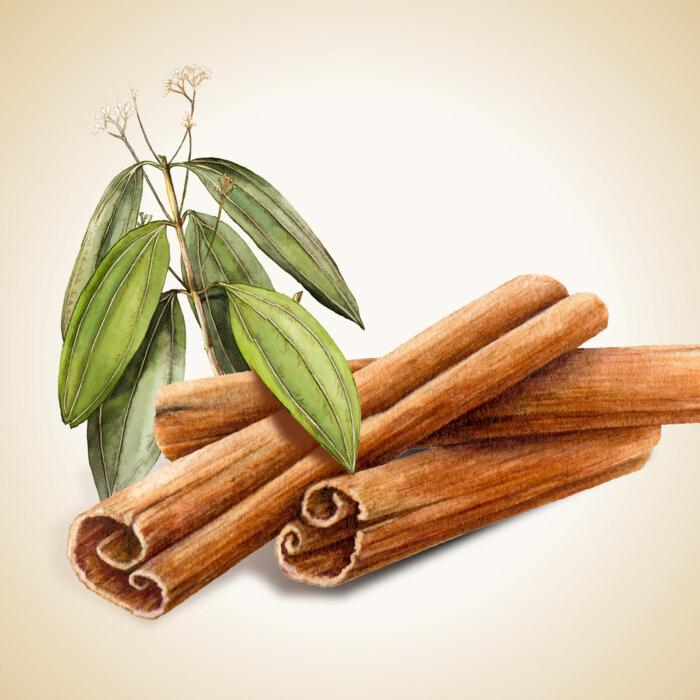

“Cinnamon can be sprinkled on bleeding cuts for children. It will stop the bleeding, and it’s antimicrobial,” she told The Epoch Times.
Its active compounds can reduce inflammation, fight microbes, support collagen production, encourage new blood vessel growth, and help skin cells migrate to close the wound. Together, these actions may speed wound closure, reduce the risk of infection, and support tissue repair.
Cinnamon can be applied topically in formulations such as creams, ointments, dressings, or sprays. Although research indicates that cinnamon shows promise for wound healing, the article notes that safe and effective use, dosages, formulations, and individual sensitivities should be considered.
3. Possible Lead Contamination
In 2023, a recall of cinnamon products due to high levels of lead raised safety concerns. Lead exposure is particularly dangerous for infants and young children, as they absorb significantly more lead than adults because of their higher respiratory rates, increased hand-to-mouth behavior, and greater gastrointestinal absorption. Pregnant women are also at risk, as even small amounts can affect neurological development.Before buying cinnamon, do your research to ensure that the brand you choose does not contain lead. For the most current list of tested brands and their lead levels, visit Consumer Reports.
4. Cinnamon Type Matters
Two main varieties of cinnamon are commonly found at grocery stores and health food shops: Cassia and Ceylon. Cassia is the more common type sold in North America, while Ceylon is more common in Europe and Mexico. Although they are similar, they differ in important ways, including their coumarin content, a natural compound known for its distinctive odor.Coumarin from cinnamon is safe in small doses found in food, but can harm the liver when taken in larger amounts, especially in people with liver disease. Ceylon cinnamon has only trace amounts of coumarin compared with Cassia cinnamon, so if using regularly or over the long term, Ceylon is a safer option.
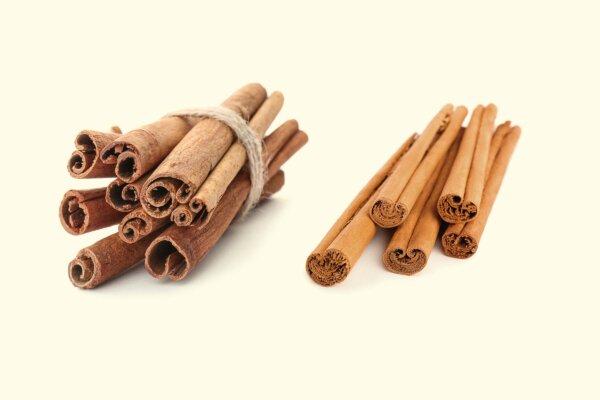
- Known as “true cinnamon”
- Light yellowish-brown color
- Delicate, sweet, subtle flavor
- Cinnamon sticks, or quills, are made of many thin layers of rolled inner bark
- More expensive
- Contains only trace amounts of coumarin—safe for daily use
- Native to, and sourced from Sri Lanka
- Sometimes called Chinese cinnamon
- Dark, reddish-brown color
- Stronger, spicier, and more intense flavor
- Cinnamon sticks or quills are one piece of hard inner bark that is difficult to break
- Less expensive—the most common type in U.S. grocery stores
- Contains high levels of coumarin—limit regular consumption
- Native to Southeast Asia
Dosage
Cinnamon has an excellent safety profile and, according to the American Pharmacists Association, people can safely take up to 6 grams daily. Six grams is equal to approximately 2 teaspoons.Final Thoughts
Cinnamon has played a central role in our lives for millennia and is still appreciated worldwide for its flavor, distinctive aroma, and the multitude of benefits it offers to our health and well-being.So the next time you bake cookies, cook up a bowl of oatmeal, or brew your favorite cup of coffee, sprinkle in a little cinnamon—your body and mind will thank you.