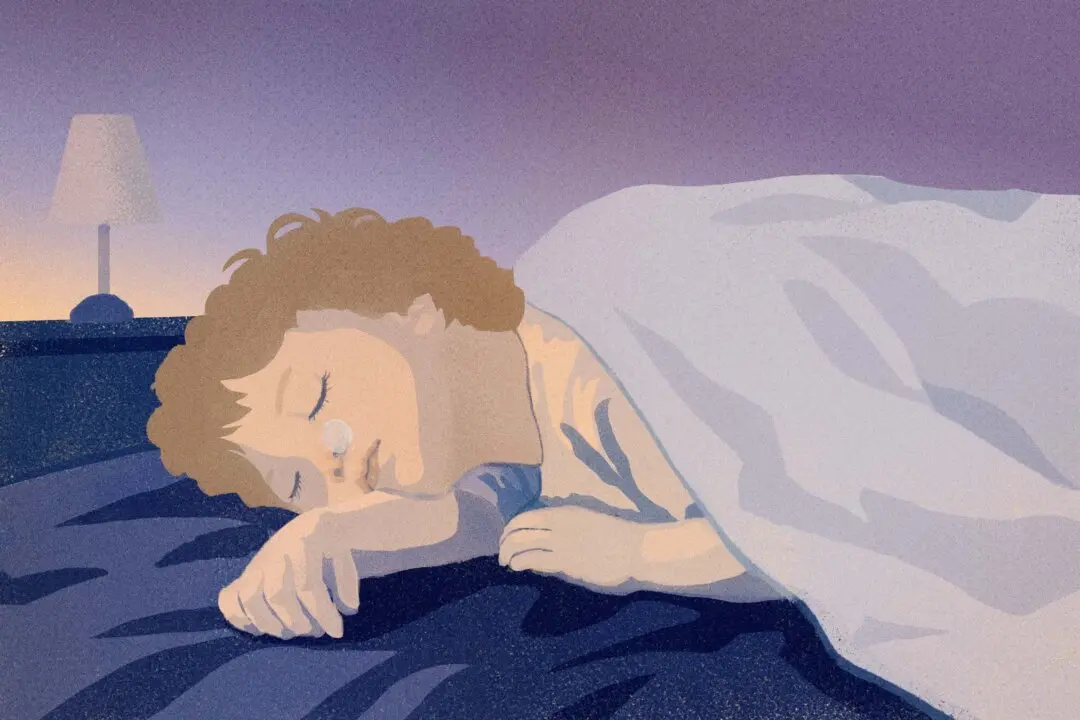
“Even in a crowded room, I can feel completely alone,” Carissa Reed told The Epoch Times.
Conversations happen around her, but she struggles to join in, unsure and uncomfortable about how to participate. The quieter she becomes, the more she notices the distance growing between her and everyone else.
“Sometimes it feels as if people are glancing right past me, as if I’m invisible. It’s a quiet, persistent loneliness, one that doesn’t disappear even when I’m surrounded by others,” Reed said.
The Health Risks of Loneliness
Dr. Sulagna Misra, an internist and integrative physician, said she has noticed that since COVID-19, many patients have lost social connection and have begun experiencing cascading health problems—from inflammation and gut issues to memory difficulties.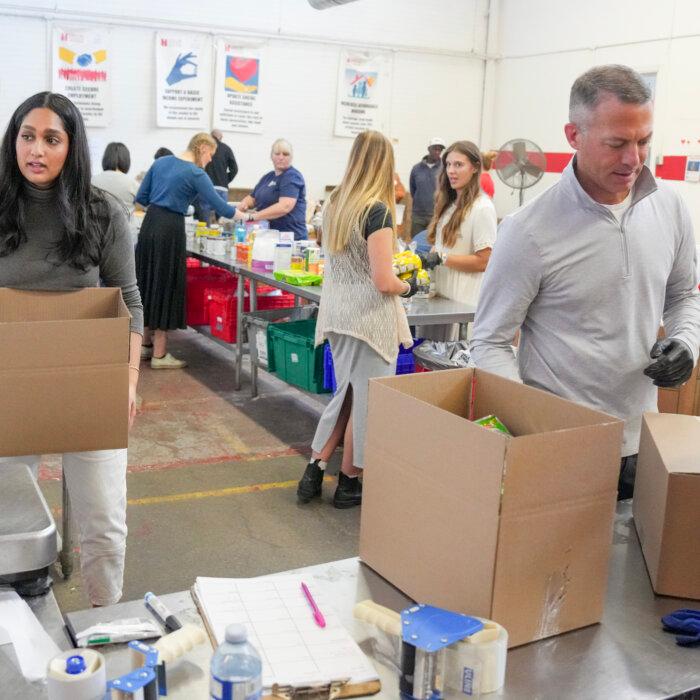
Poor social relationships raise the risk of heart disease by 29 percent and stroke by 32 percent, while also leading to a 36 percent higher risk of long-term high blood pressure. Poor relationships even play a role in the development of Type 2 diabetes and its complications.
The brain is no less affected. Cognitive abilities decline 20 percent faster in people who feel lonely.
These effects are driven by clear biological pathways. Social disconnection influences the immune system, gut microbiome, neuroendocrine system, and cardiovascular system. Lack of connection also raises inflammation, which slows wound healing and promotes chronic diseases.
Social disconnection is often overlooked as a driver of poor health, Misra told The Epoch Times.
“I’ve seen this play out in my work, especially lately. I used to see these effects weekly—now, I see them daily,” she said.
Social Prescribing
One approach gaining traction in addressing loneliness is social prescribing, through which people are referred to community-based activities such as gardening projects, exercise classes, and other non-clinical services.“Social prescribing should be more widely integrated into health systems, if done intentionally,” Misra said.
“In practice, it means creating individualized connection plans, integrating them into care, and following up—not just making a referral.”

Reverse Loneliness
It can also be helpful to reach out to others, such as friends, family members, health care providers, and counselors. When interacting with others, it may help to ask: “How can I treat others with respect? How could kindness change this situation?”Something else to consider when wanting to reverse loneliness is your relationship with yourself, Stephen Sideroff, an associate professor in the Department of Psychiatry and Biobehavioral Sciences at the University of California–Los Angeles and an expert in resilience, told The Epoch Times.
“Examine whether your self-judgments or negative expectations are playing a role in your disconnection,” Sideroff said.
Repairing self-judgments and negative expectations is most important and plays a central role in your life.
“Having lost the ability to love yourself is an important part of feeling secure enough to meet others,” he said.
- Seek help for your loneliness. If you don’t ask, you won’t receive. Plant the seed—it may or may not grow, but if it does, it can be life-changing.
- Start small and safely reach out to others. Safety looks different for everyone, and if you don’t know what safety means for you, work with someone to define it. For instance, choose low-stakes spaces such as farmers markets, volunteer projects, and hobby groups—places where interaction is natural, not forced.
- Leverage shared interests. Find hobbies, skills, or activities you enjoy, and join others doing them.
In Japan, for example, some older women are paid to cook for others, not only for the money but also because it keeps them feeling useful and connected.
The Modern Roots of Loneliness
Many factors may be driving the loneliness trend.Industrialization, secularization, and technological advances all play a role, as do personal circumstances such as certain personality types, mental health conditions, and living alone.
Industrialization, for example, led to the rise of solitary living in cities, which dramatically increases the risk of social isolation.
The decline of religion may also have left a gap. Religious institutions historically offered a sense of belonging, routine gatherings, and a built-in community, while faith itself provided companionship, meaning, and security.
After COVID-19, social isolation has become even more noticeable. Misra said she has seen many patients who used to be socially active lose those skills and pull away from their communities.
Alexander Bell, a keynote speaker and creator of the Tech Rules framework, told The Epoch Times that although technology offers the promise of unlimited connection—always on, always available, 24 hours per day, seven days per week—it often leaves people more disconnected.
“We find ourselves turning to our devices the very moment we feel alone, bored, or left with our own thoughts,” he said.
Yet device-based quick fixes rarely provide the depth of human contact we need. In fact, Bell said, such conveniences may be the biggest killer of true connection, luring us into depending solely on our screens.