Bronny James, the 18-year-old son of NBA Lakers star LeBron James, experienced a sudden cardiac arrest during basketball training at the University of Southern California on July 25 and was immediately taken to the hospital. He was discharged three days later and is currently recovering at home.
Tesla CEO Elon Musk raised the possibility of a link between COVID-19 vaccines and Bronny James’ cardiac arrest. In a Twitter post, he stated, “We cannot ascribe everything to the Covid vaccine, but by the same token we cannot ascribe nothing. Myocarditis is a known side effect. The only question is whether it is rare or common.” Musk later removed the post, but the incident has once again sparked significant concerns about the risk of acute myocarditis after receiving mRNA COVID-19 vaccines.
Myocarditis is inflammation of the heart muscle, while pericarditis is inflammation of the fibrous tissue surrounding the heart. The study also revealed that younger individuals are more likely to experience myocarditis after vaccination, whereas pericarditis is more prevalent than myocarditis among older individuals.
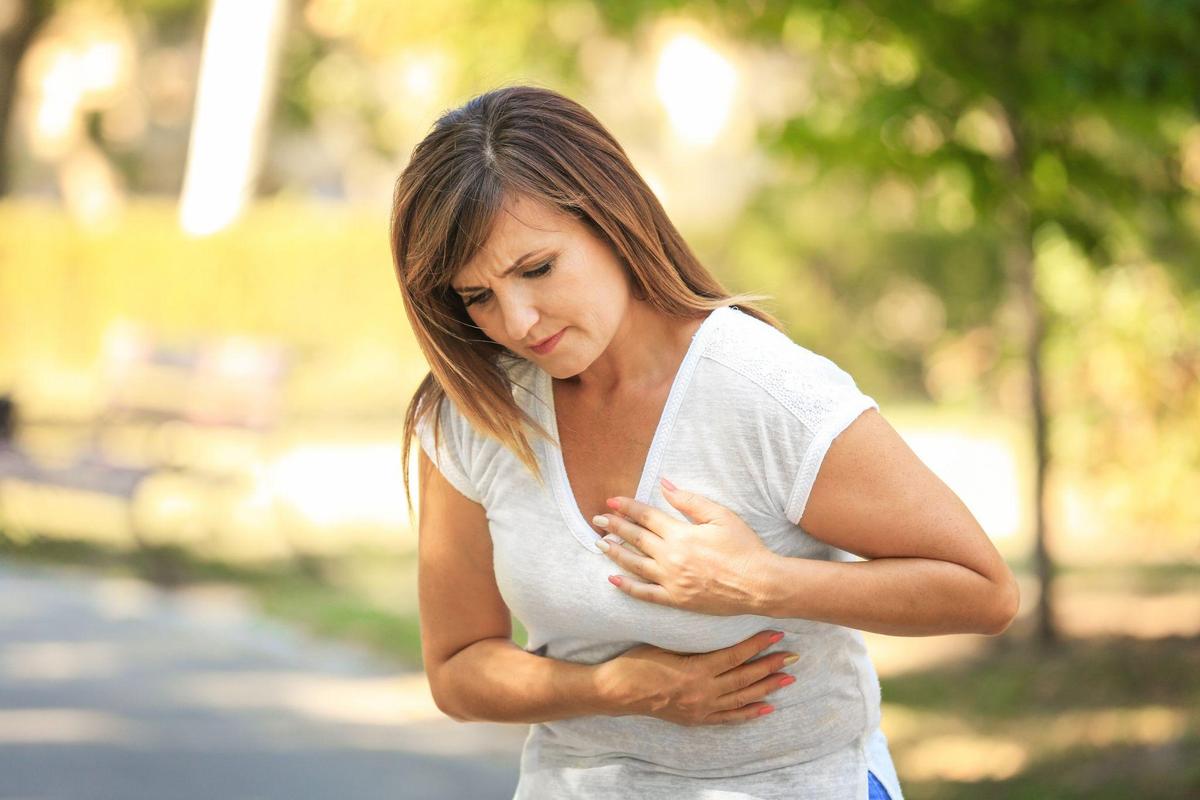
Caution Against Vigorous Exercise After Heart Inflammation
On the NTDTV program “Health 1+1,” Dr. Yuhong Dong, a virologist and infectious disease specialist in Europe, pointed out that the incidence of myocarditis and pericarditis demonstrates a linear upward trend after vaccination. Dr. Dong believes that vaccination cannot completely prevent the spread of the virus, as gene expression, overall health conditions, and immune strength vary among individuals. Therefore, vaccination does not guarantee immunity, and not getting vaccinated does not necessarily lead to infection.- Rest and avoid strenuous exercise and heavy physical labor for the next six months, refraining from activities that put a strain on the heart.
- Be mindful of your diet and avoid consuming stimulants that can affect the heart, like beverages containing caffeine.
- Maintain a healthy lifestyle, balance work and rest, avoid staying up late, and manage emotions.
- Follow hospital treatment and engage in both physical and mental exercises to support full recovery of the heart.
4 Heart-Healthy Foods Experts Recommend
On the NTDTV program “Health 1+1," Jonathan Liu, a Chinese medicine professor at Georgian College in Canada, recommended four heart-healthy foods:- Carrots are rich in carotenoids and vitamin A, which not only strengthen eyesight but also support the health of epithelial tissues, enhance immune function, protect various organs, and clear free radicals. Studies have found that individuals who consume more carotenoids have a lower risk of developing various cardiovascular diseases.
- Blueberries contain anthocyanins, which can prevent oxidative reactions, thus protecting heart and vascular health. They also contain anti-inflammatory compounds that can reduce the risk of heart disease.
- Black fungus is known for its ability to reduce blood viscosity, which helps prevent blood clots.
- Tomatoes are rich in lycopene, a natural antioxidant that neutralizes harmful free radicals and helps prevent the worsening of heart inflammation. A study (pdf) indicated that having a high concentration of lycopene in the blood can lower the risk of developing cardiovascular disease.