What do you do in the event of a potentially life-threatening emergency such as fainting, heart attack, or stroke? Most people think of calling an ambulance for assistance. But in some emergencies, if the ambulance does not arrive in time, the victim is at risk of not being resuscitated.
TCM First Aid Is Simple yet Effective
Yuen said in the program that historically, TCM has always had its own first aid treatments, and that fewer people use them today—yet TCM first aid is simple and effective when administered immediately.Yuen said that TCM acupoint first aid is effective because its easy to do and saves precious time—when employed immediately it can save a life.
In contrast, Western medical first aid often relies on the arrival of specially trained emergency personnel and specific equipment and though there may be emergency injections and procedures performed at the scene travel time to a hospital may delay further life-saving treatment.
Acupoint First Aid for Fainting
Yuen recounted a case of first aid for fainting. The patient was in her fifties and came in for acupuncture treatment complaining of shoulder pain, but upon seeing the needles used for treatment she fainted from fear. Yuen immediately worked on a few key acupuncture points, and she revived about five minutes later. Yuen said that when faced with this kind of fainting, the first step is to lie the patient down flat, cover with a blanket to them keep warm and then massage the acupuncture points.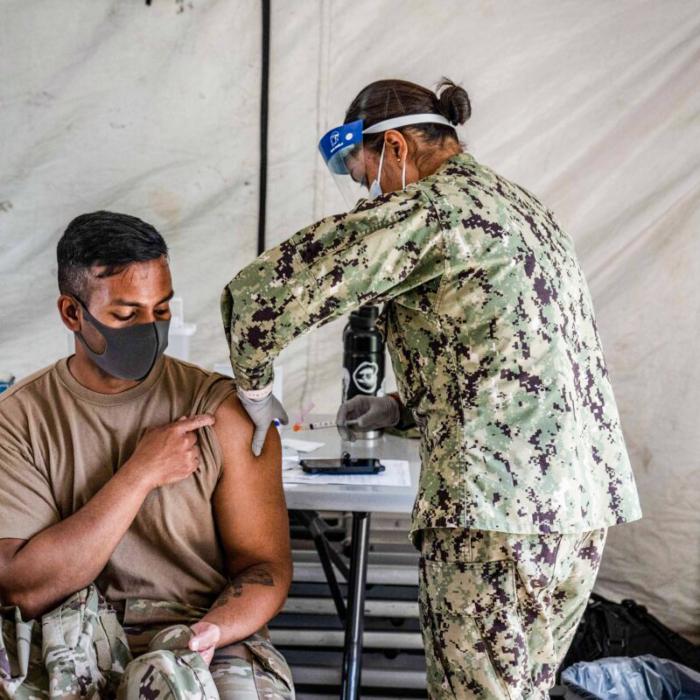

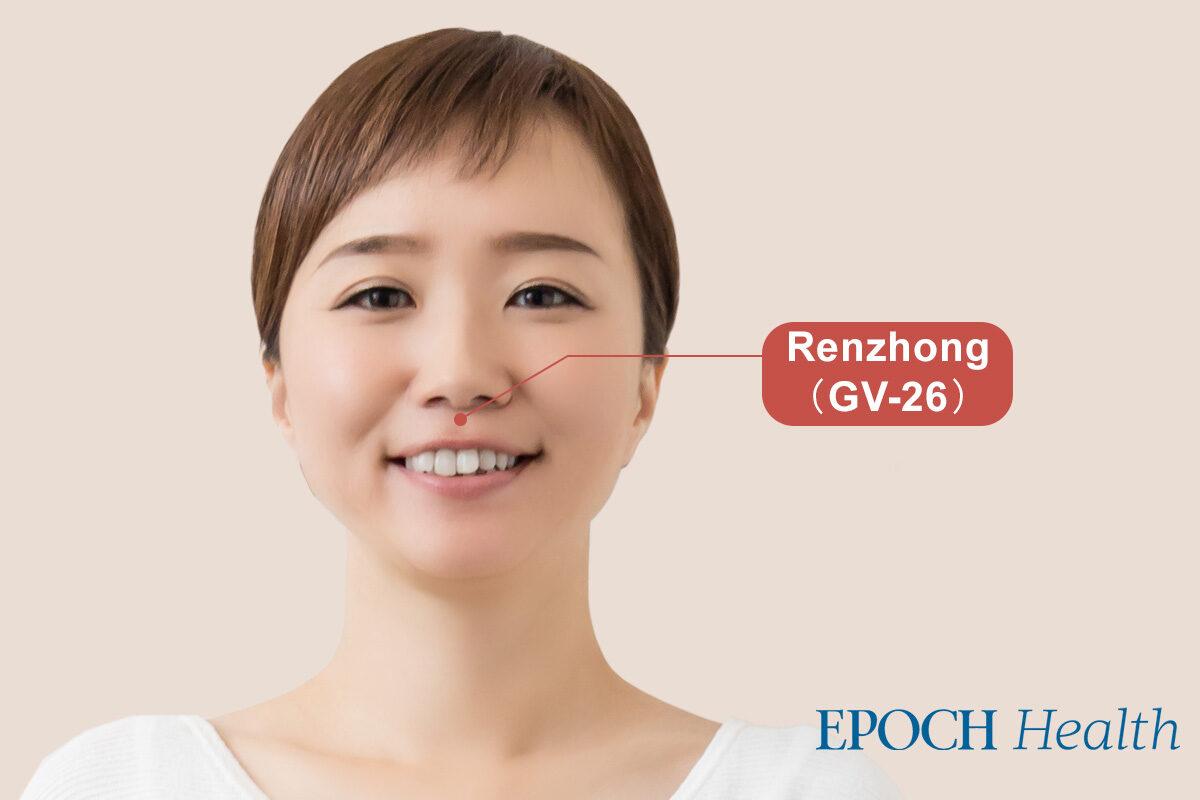
Chinese folklore usually recommends pressing the “Renzhong” in the treatment of syncope (fainting), which is located on the upper third of the midline of the nasolabial fold. Yuen said that pressing this acupoint hard with the fingernails can arouse a person from unconsciousness because Renzhong is located at the intersection of the Ren and Du meridians.
Yuen said that pressing the Renzhong acupoint can also be used to prevent dozing off, and helps people to wake up.
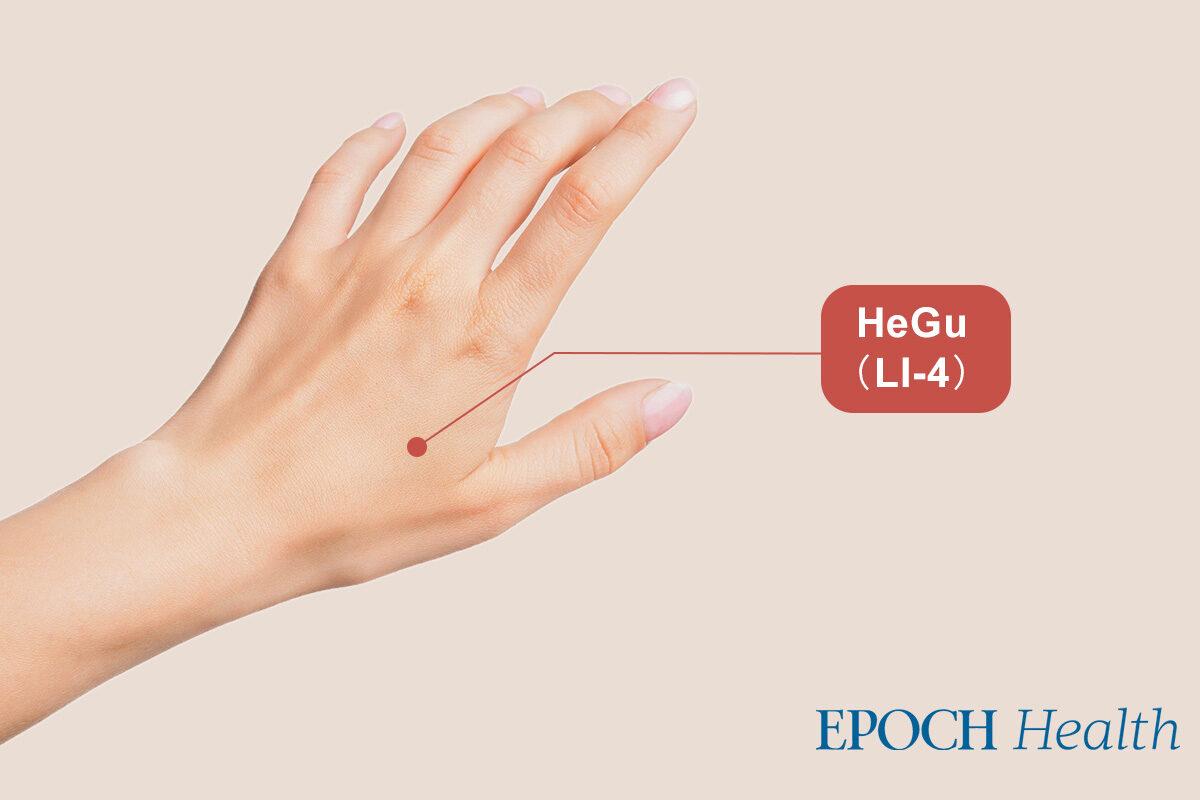
She also pointed out that pressing hard on the Hegu acupoint can provide first-aid functionality. Hegu is located between the first and second metacarpal bones on the back of the hand, approximately at the midpoint of the radial side of the second metacarpal bone.
2 Life-Saving Acupoints for Heart Attack
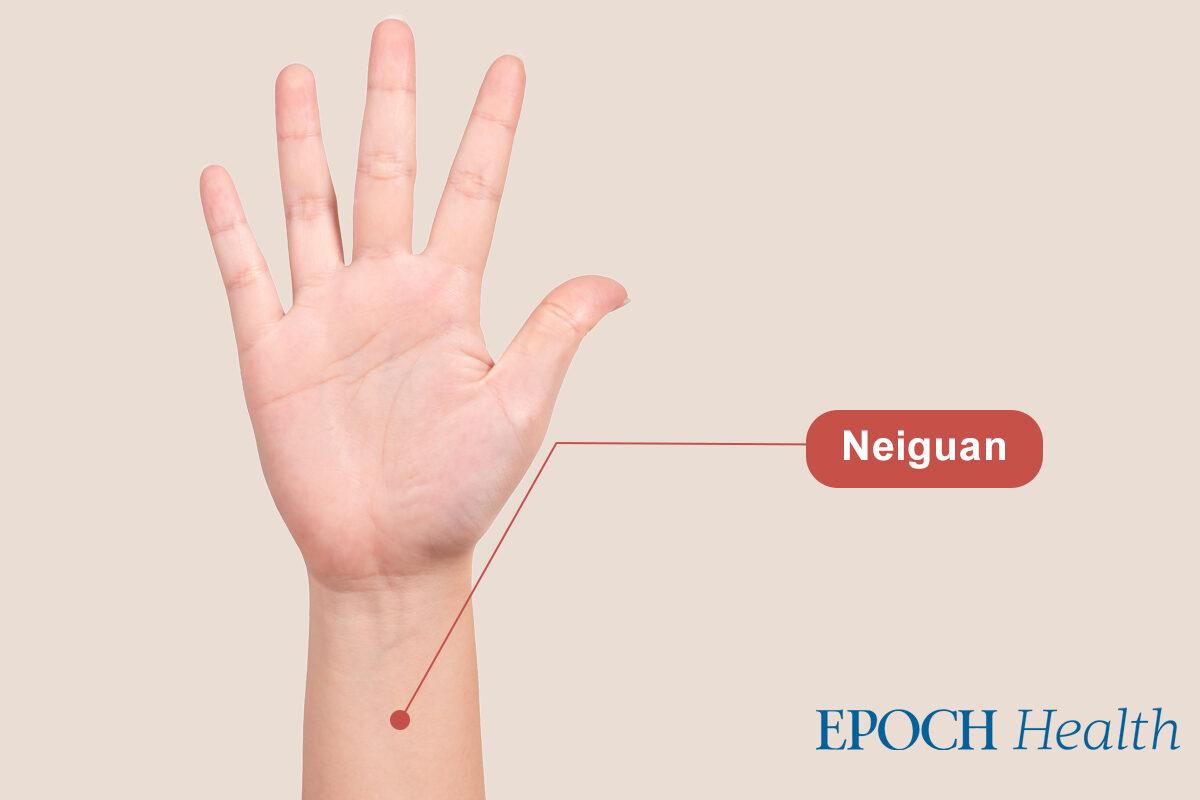
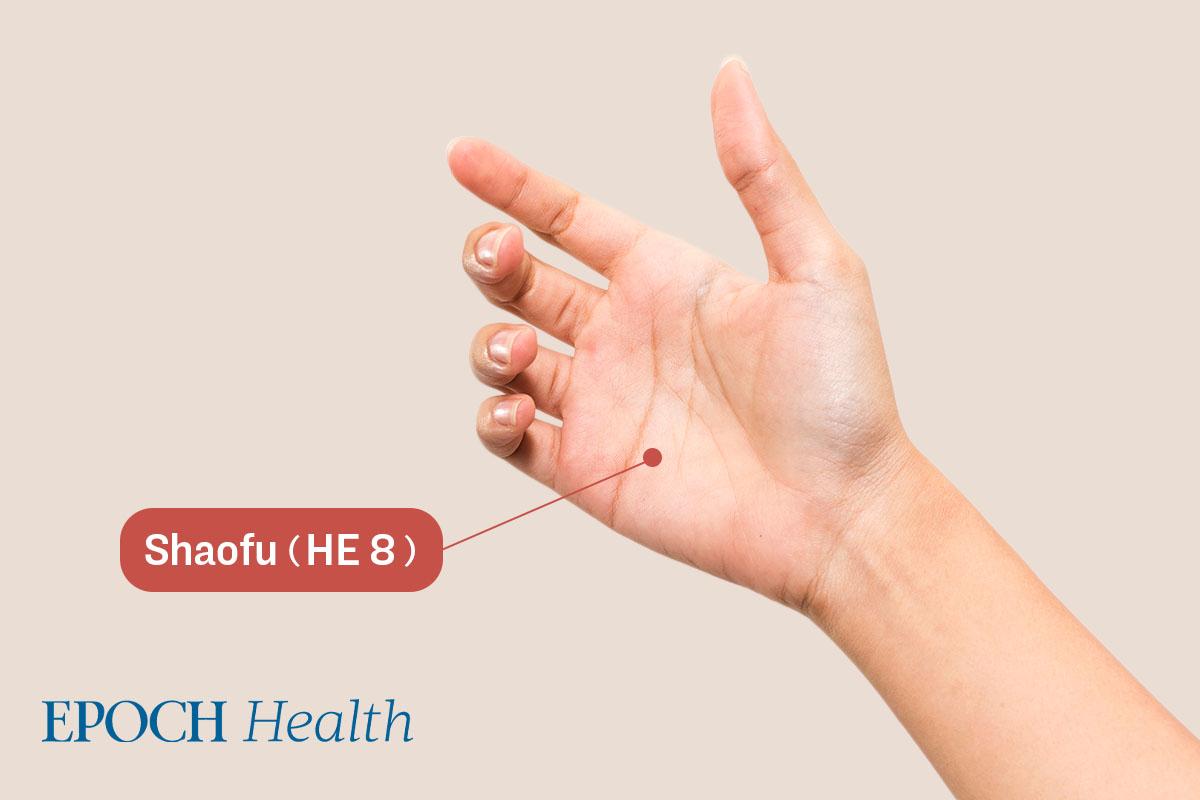
Yuen said that the Neiguan and Shaofu acupoints are the two key points for emergency treatment of heart attack.The Neiguan is on the inner side of the wrist, three finger widths above the transverse wrist crease. Yuen said that human organs are connected to different meridians, and the Neiguan acupoint is on the “pericardium meridian.” Pressing this acupoint can send reflex to the heart and strengthen the latter, analogous to a cardiac stimulant.
Another key acupoint is the Shaofu, which is located between the fourth and fifth metacarpal bones, where the little fingertip points when holding a fist. The Shaofu lies on the “Heart Sutra,” pressing it hard can also send reflex to the heart.
Yuen once helped her father-in-law by performing TCM first aid. She said that the first time her in-law fell ill at home, he suddenly lost his heartbeat and his pulse, his face turned blue, lips turned pale, and he was unresponsive.
Acupuncture at a Key Acupoint Can Effectively Relieve Stroke Victims
Yuen said that there is one key acupoint called “Shixuan,” which is located on the edge of all ten fingertips. In some stroke cases, TCM practitioners may use bloodletting therapy to bring relief. This is done by pricking the ten fingertips with a needle and squeezing out a little blood from each one. In this way, bloodletting through the fingertips can prevent blood from being retained in the brain and thus relieve pressure on the brain.Please note that “Acupuncture and bloodletting” are unique medical practices and can only be performed after diagnosis by a qualified TCM practitioner. In addition, patients with blood coagulation symptoms should not perform bloodletting to avoid unstopped blood flow. Diabetes patients should pay more attention to avoid wound infection.
In TCM theory, stroke can be divided into “closed syndrome” and “out syndrome.” If a patient has a stroke, the doctor first judges whether it is closed syndrome, which is characterized by the appearance of unconsciousness, red face, closed jaw, and clenched fists. In this case, bloodletting therapy could be applied. On the other hand, stroke patients with weak breathing, cold limbs due to sweating, and urine and fecal incontinence are not suitable for bloodletting therapy.