Vitamin B9 Deficiency Linked to the Joint Hypermobility
Preliminary findings from a study conducted at Tulane University indicate a possible genetic cause for joint hypermobility and related connective tissue disorders that are considered forms of Ehlers-Danlos syndrome (EDS) that can adversely affect the formation of connective tissues.Researchers from the university’s School of Medicine linked hypermobility syndrome to a folate deficiency caused by a variation in a gene called methylenetetrahydrofolate reductase (MTHFR) that codes for the enzyme needed to convert folate into another molecule called 5-methyltetrahydrofolate (5-MTHF, methylated folate). This is the bioactive form of folate found in our blood.
Researchers found that the blood tests of hypermobile patients showed elevated levels of unmetabolized folate. Other tests found that most of those patients with elevated folate serum levels had the changed MTHFR enzyme.
According to the study, nearly 60 percent of the population has hypermobility, with symptoms that range from benign joint flexibility to frequent joint dislocations, and more severe bony, tendon, ligament, muscle, and skin injury from minor physical trauma. It is also a factor in poor wound healing.
- Pain after activity and at night.
- Recurrent joint sprains.
- Clicking of the joints.
- Issues with reduced coordination or balance.
Hypermobile EDS Carries Significant Health Risks
Hypermobile EDS is the most common type of EDS and is a form of condition considered to be the same as joint hypermobility syndrome.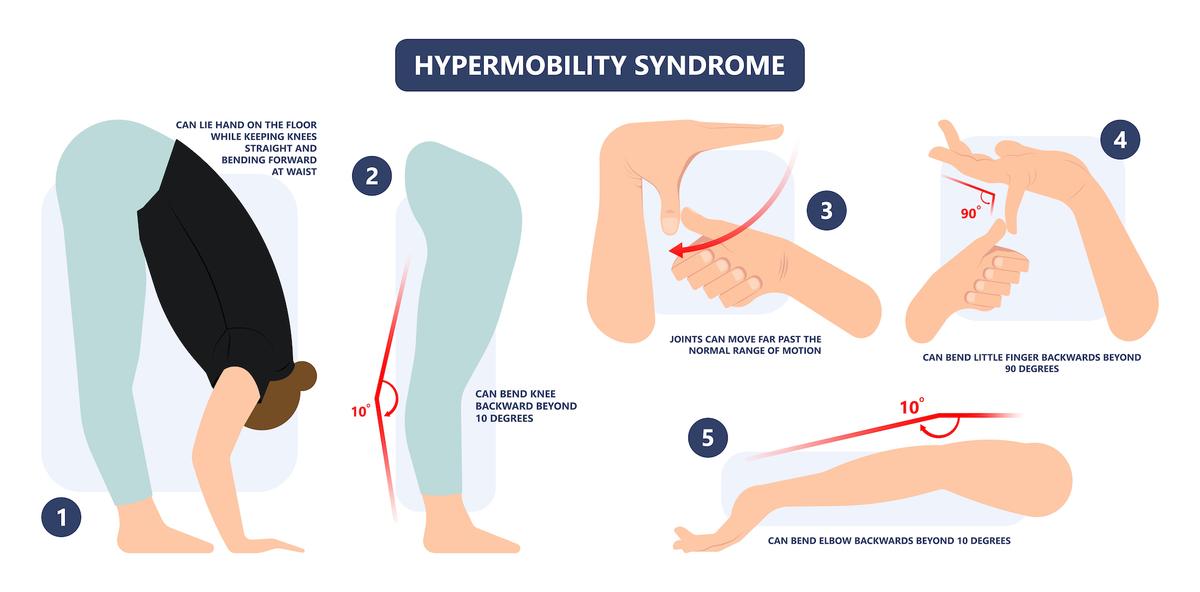
American Osteopathic Association member Dr. Brian Fiani, an osteopathic physician specializing in neurosurgery and minimally invasive spine surgery, told The Epoch Times that hypermobile EDS is associated with potentially severe complications.
“Health complications include severe chronic joint pain and also instability which can cause dislocations,” said Fiani. “One can have skin abnormalities such as hyperextensibility, easy bruising, and scarring.”
“Cardiovascular issues can occur such as valve or heart issues,” explained Fiani. “It also increases the risk of having chronic fatigue, anxiety, and depression.”
Treatment Is Already Available
The treatment for people with MTHFR-related folate deficiency is to take a form of the vitamin called methylated folate. This is a type of folate that’s already been metabolized, so it bypasses the defective enzyme to be used in the body.Fiani said he believes this treatment option for EDS “shows great promise.”
The Tulane researchers confirmed that some patients did benefit from supplementation.
“We have anecdotally observed the benefits of 5-MTHF [methylated folate] supplementation in our hypermobile patients,” the study authors wrote. However, they emphasized the need for additional studies “to empirically determine the efficacy of supplementation in improving folate availability.”
One of the study authors expressed great hopes that these findings will improve the lives of people living with EDS.
“We’ve discovered something in medicine that can help not a small group of people, but potentially many across the world,” Dr. Jacques Courseault, medical director of the Tulane Fascia Institute and Treatment Center, said in a statement. “This is real, it’s been vetted out well, and clinically we’re noticing a difference.”
Courseault added that while more lab research and clinical testing needs to be done, patients who’ve been treated with methylated folate have shown improvements that include less pain, improved gastrointestinal function, and even fewer allergies.