
Hypertension, or high blood pressure, affects more than one billion people worldwide and remains one of the most prevalent chronic conditions of modern life. While conventional medicine often relies on long-term medication to manage blood pressure, traditional Chinese medicine (TCM) offers a holistic approach that addresses the root causes rather than suppressing the symptoms.
By viewing hypertension through modern and traditional frameworks, we can uncover integrative strategies that restore balance, improve circulation, and support the body’s innate ability to heal.The Pathogenesis of Hypertension in TCM
TCM understands hypertension as a multifactorial condition involving imbalances among the organs, emotions, and lifestyle.
4 Core Components of Developing Hypertension
- Causative factors: Emotional disturbances—such as anger, depression, and anxiety—along with irregular lifestyle habits, excessive intake of spicy or greasy foods, and overindulgence in sexual activity, are all potential contributors to hypertension in TCM theory.
- Nature of the condition: Hypertension is seen as a pattern of “yin deficiency leading to yang hyperactivity.” In TCM theory, yin represents the body’s cooling, nourishing, and moistening forces—similar to water—while yang signifies warmth, energy, and activity—akin to fire. A deficiency in yin allows yang to become overactive, resulting in symptoms like dizziness, irritability, and high blood pressure.
- Affected organs: The liver and kidneys are primarily implicated. The liver governs qi movement and emotions, while the kidneys store essence and regulate water and energy balance.
- Pathological mechanisms: In TCM, the main pathological factors contributing to hypertension are phlegm and blood stasis—concepts loosely analogous to atherosclerosis (hardening of the arteries) and thrombosis (formation of blood clots) in modern medicine.
Overlooked Causes of Hypertension
In clinical practice, many patients become reliant on antihypertensive medications without addressing the underlying causes of their condition.High blood pressure can result from multiple contributing factors, including psychological stress, dietary habits, constitutional imbalances, and other chronic health conditions. Relying solely on medication to lower blood pressure addresses the symptoms but not the root cause.
Long-term medication use carries the risk of side effects and may also mask changes in the condition, potentially delaying opportunities to restore the body’s natural balance.
Cardiac Weakness
In several early-stage hypertension cases, patients presented with blood pressure readings around 160/180 to 95/100 mmHg. After starting antihypertensive medications, their readings returned to approximately 120/80 mmHg—seemingly ideal numbers. However, these patients often reported symptoms such as palpitations, chest tightness, general fatigue, and a weak pulse.
This pattern typically occurs when high blood pressure is a compensatory mechanism triggered by weakened heart function. The body raises blood pressure to support the heart in circulating sufficient qi and blood to nourish the internal organs.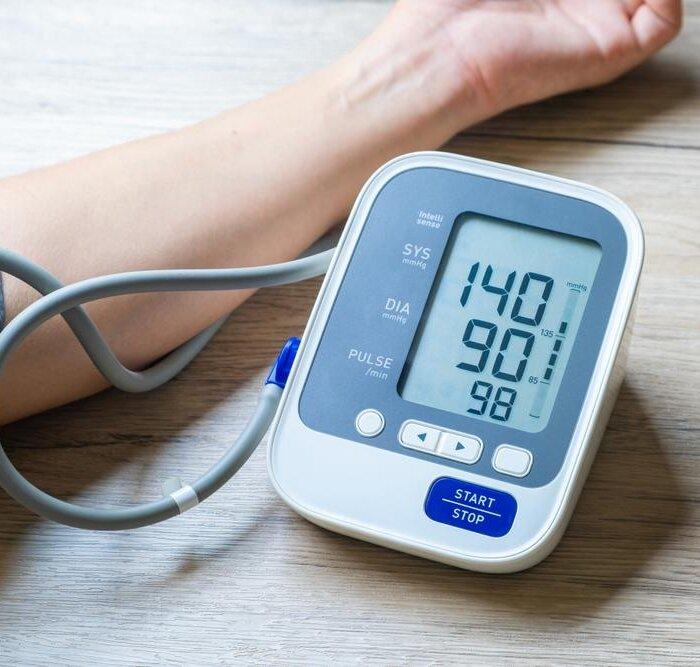
After one to two weeks of treatment, blood pressure typically begins to decline. Within one to two months, both TCM and conventional medications can often be discontinued, with blood pressure remaining stable.
Menopause
This type of hypertension commonly affects women going through menopause. Hormonal imbalances during this stage can lead to hot flashes, night sweats, insomnia, irritability, and anxiety.In some cases, systolic blood pressure (the top number) may rise to as high as 200 mmHg. As a result, many women begin lifelong antihypertensive medication during this period.
A woman in her early 50s presented with persistently elevated blood pressure, along with symptoms including tinnitus, headaches, mood swings, and insomnia. Pulse diagnosis revealed a wiry and rapid pulse, while her tongue was red with minimal coating—signs consistent with a “yin deficiency of the liver and kidney pattern” accompanied by excess liver fire.
Treatment in this case focused on nourishing yin and clearing internal heat. The prescribed herbal formula included anemarrhena (zhi mu), phellodendron (huang bai), raw rehmannia (sheng di), ligustrum (nv zhen zi), and turtle shell (gui ban).
Over time, the patient’s emotional state stabilized, night sweats decreased, and sleep quality improved. After three months, her blood pressure steadily returned to normal, and she no longer required antihypertensive medication.
Cervical Misalignment
This form of hypertension is becoming increasingly common, yet it is often overlooked. It is particularly prevalent among people who spend extended periods using electronic devices—sitting at computers or looking down at smartphones—which can lead to cervical spine problems.In patients with cervical misalignment, compression of the cervical nerves may result in symptoms such as neck, shoulder, and arm pain. This discomfort can trigger vasoconstriction (narrowing of blood vessels), leading to elevated blood pressure. Additionally, stimulation of the cervical sympathetic nerves may cause irregular heart rhythms, insomnia, and further increases in blood pressure.
Notably, compression of the vertebral arteries can reduce blood flow to the brain. In response, the body compensates by increasing cardiac output, further elevating blood pressure.
This type of hypertension is not documented in classical TCM texts, likely because it is considered a more modern phenomenon. However, experienced practitioners—particularly those specializing in spinal alignment therapy—often recognize it clinically. Treatment typically involves cervical spine exercises aimed at gradually restoring proper alignment, along with herbal formulas that promote blood circulation and support the metabolism of fluids and inflammatory byproducts in the neck and head. As cervical alignment improves, blood pressure often stabilizes naturally, reducing or eliminating the need for ongoing intervention.
A company executive in his early 60s frequently stayed up late, experienced high stress, and spent long hours in meetings. His blood pressure fluctuated significantly, and he also experienced neck stiffness, dizziness, and difficulty concentrating. Visual inspection and palpation revealed significant cervical misalignment with tenderness.
Primary Causes of Hypertension
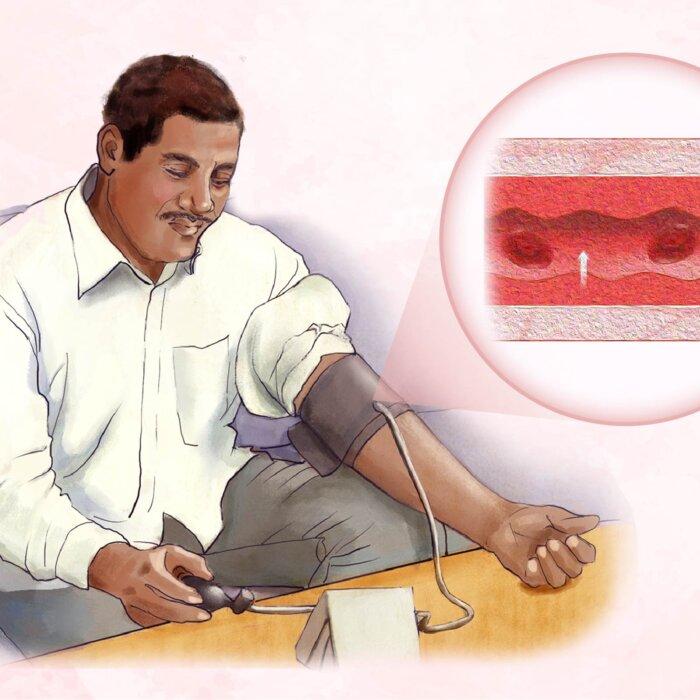
Hypertension is generally classified into two main categories: primary hypertension, which accounts for approximately 90 percent of cases, and secondary, which comprises the remaining 10 percent and is typically linked to kidney or endocrine disorders.Although primary hypertension is often described as having “no identifiable cause,” from a micro-level perspective, elevated blood pressure can be viewed as a compensatory response to insufficient pressure within the microvascular system.
The microvasculature serves as a key site for oxygen and nutrient exchange. When pressure in these small vessels is inadequate or obstructed, local tissues may be deprived of essential supply. In response, distress signals are relayed to the central nervous system, triggering a systemic increase in blood pressure.
Weakened Cardiac Function
When the heart’s ability to pump effectively is reduced and cardiac output falls short, the body compensates by increasing the heart rate and constricting blood vessels to maintain blood pressure.Increased Vascular Resistance
Atherosclerosis narrows the arteries and restricts blood flow. To compensate, the body increases cardiac output, which further raises blood pressure. This pattern is common in people with obesity, high cholesterol, or metabolic syndrome, and if left untreated, can increase the risk of heart disease and stroke.Understanding the Real Danger
The danger of hypertension lies not only in elevated blood pressure itself, but also in its potential complications—such as myocardial infarction (heart attack), cerebral hemorrhage, and stroke. These serious conditions are often closely linked to arteriosclerosis.Vascular blockages typically arise from two sources: soft, fatty plaques and hardened deposits. Both develop as part of the body’s natural response to vascular injury.
Common contributors to oxidative stress include low antioxidant intake, diets high in sugar, refined carbohydrates, and fats, excessive meat consumption, vitamin and mineral deficiencies, lack of physical activity, and prolonged negative emotional states.
Natural Ways to Lower Blood Pressure
In addition to using TCM herbal formulas to support the body, evidence-based lifestyle and dietary changes can help stabilize blood pressure. Key strategies include:Maintain a Healthy Weight
For people who are both overweight and hypertensive, weight loss should be a top priority. A body mass index below 25 is generally recommended. However, being underweight also carries health risks, so maintaining a balanced and appropriate weight is essential.Don’t Smoke
Smoking contributes to the development of arteriosclerosis, and even a single cigarette can accelerate vascular aging.Limit Alcohol Intake
Chronic heavy drinking increases overall caloric intake and stimulates the sympathetic nervous system, both of which can raise blood pressure.Engage in Moderate Exercise
Regular physical activity supports healthy blood circulation and helps regulate stress. However, for older adults or those with weakened constitutions, high-intensity exercise—such as vigorous running—may increase the risk of adverse events, including sudden cardiac arrest.Reduce Salt Intake Appropriately
For adults, daily salt intake should be kept to around 6 grams per day, or approximately 1 teaspoon. Both excessive and overly restricted salt consumption can have negative effects on health.In clinical practice, many people who deliberately follow a low-salt diet present with symptoms such as low blood pressure, heart palpitations, fatigue, shortness of breath while walking, cold extremities, and sensitivity to cold. These signs are consistent with what TCM describes as a “yang-deficient” pattern.
In some patients, cardiac output is insufficient, and blood tests reveal low sodium levels, prompting the need for sodium supplementation during hospitalization. Some patients are even provided with salt packets at each meal to help restore balance.
When choosing salt, natural varieties such as rock salt or sea salt are generally preferred over refined table salt. In addition to sodium chloride, natural salts contain trace minerals such as potassium, magnesium, calcium, and sulfur, which may help regulate blood pressure, support nervous system function, and promote cardiovascular health.
Follow a Healthy Plant-Based Diet
Not all vegetarian diets are inherently healthy. A heart-supportive, plant-based diet should focus on whole, minimally processed foods—such as fresh vegetables, fruits, whole grains, nuts, and seeds.Highly processed vegetarian products—such as meat substitutes (e.g., vegetarian chicken or ham), deep-fried items, or snacks high in sugar and trans fats—should be minimized or avoided. Although marketed as “vegetarian,” these products can place a significant burden on the body.
Vegetarians may also be more prone to deficiencies in two essential nutrients: vitamin B12 and D. Both are crucial for cardiovascular and nervous system health, and their deficiency can indirectly contribute to arteriosclerosis and reduced immune function.
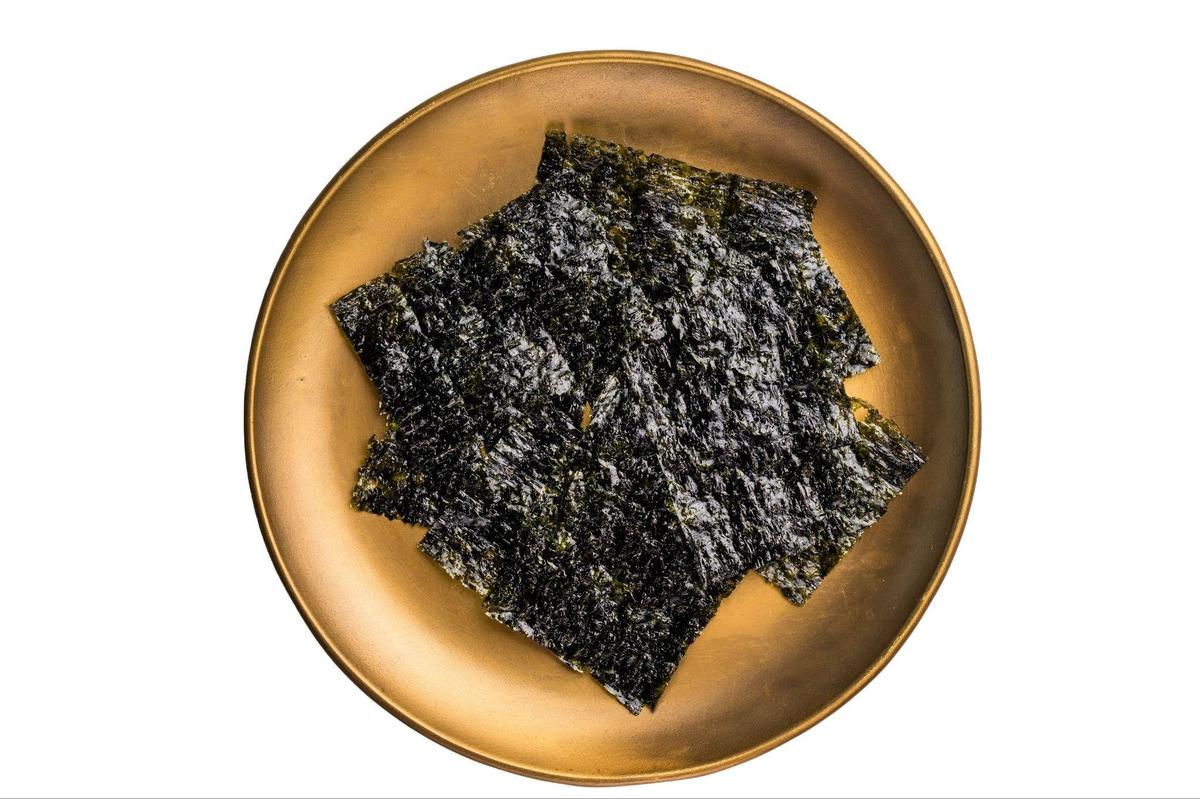
- Vitamin B12: One sheet of roasted purple laver (nori) per day can provide the recommended daily amount.
- Vitamin D: Sun-dried mushrooms—such as shiitake or oyster mushrooms—are excellent sources. When exposed to sunlight during drying, they produce vitamin D, making them a valuable option for vegetarians.
Eat Foods That Support Healthy Blood Pressure
Many natural foods have been shown to help regulate blood pressure. Examples include onions, scallions, garlic, ginger, plum vinegar, apple cider vinegar, buckwheat, dark leafy greens, and natto.Maintain Regular and Restful Sleep
Getting around seven hours of sleep per night is considered ideal for supporting healthy blood pressure. Both insufficient and excessive sleep have been linked to an increased risk of hypertension. Establishing a consistent sleep routine is a key component of blood pressure management, particularly for patients with hypertension.Summary
For people with elevated blood pressure who are not yet on medication, or for chronic patients seeking to reduce their dependence on antihypertensive drugs, adopting the natural approaches outlined above can be an effective first step toward stabilizing blood pressure and improving overall quality of life.In cases where blood pressure rises to dangerously high levels—such as 180/100 mmHg or above—short-term medication is necessary to lower blood pressure quickly and prevent complications such as heart failure, kidney dysfunction, or stroke. However, lifestyle changes and personalized care should remain a central focus, even during medication use.
A combination of balanced nutrition, regular habits, and TCM therapies can help improve metabolic and circulatory health. Once blood pressure becomes more stable, it may be possible to gradually reduce medication and eventually maintain healthy blood pressure through natural, sustainable means.