One rainy afternoon in Taiwan, an older couple who were both in fragile health arrived at a traditional Chinese medicine (TCM) clinic.
The husband, paralyzed from a recent stroke, sat slumped in a wheelchair while his wife pushed him with trembling hands. Six months earlier, the couple had lost more than 40 million Taiwan dollars—about $1.4 million—to fraud. The financial blow sent the husband into a downward spiral that ended in a stroke. His wife, overwhelmed by caregiving and despair, could barely eat or sleep.
Chen Bo Sheng, a TCM practitioner who specializes in complementary cancer treatment, urged the wife to take care of her own health. However, three months later, she returned with an early-stage breast cancer diagnosis.
Chronic Stress and Cancer: An Invisible Link
Chen warned that chronic stress—particularly when internalized—can significantly increase cancer risk.Many of his cancer patients, he noted, had endured immense pressure before their diagnosis. The most common source? Work. Some were bombarded with urgent texts—even during dinner—and felt obligated to respond immediately. Others were filled with dread at the thought of returning to work each week. Over time, this kind of constant emotional strain can physically wear down the body.
Why Emotions Affect the Body
According to TCM, emotions don’t just affect mood—they affect the organs. The body’s health depends on the smooth flow of blood and “qi,” or vital energy, through invisible channels called meridians, which connect to internal organs. Emotional imbalance disrupts this flow, leading over time to disease.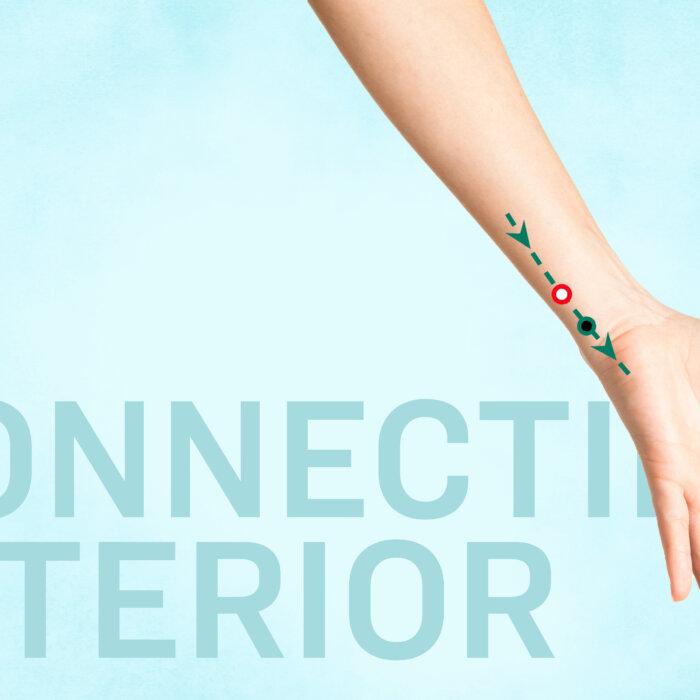

Chen said that chronic stress or repressed emotions often block energy flow, causing what is known as “qi stagnation,” which in turn can obstruct blood flow.
In short, stress and emotional health not only set the stage for cancer, but also affect how patients respond after diagnosis.
How Stress Affects the Body Over Time
Stress doesn’t affect the body all at once—it builds in stages. Chen outlines how different durations of stress manifest physically:- Short-Term Stress: Causes anxiety, insomnia, or vivid dreams, often in the days leading up to an exam or important meeting.
- Mid-Term Stress: Affects the digestive system after about three weeks, leading to issues such as indigestion and bloating.
- Long-Term Stress: Disrupts hormones after more than three months. Chen noted that many female students near his clinic experience menstrual irregularities from the pressure of final exams or thesis deadlines, showing the effect of long-term stress on the hormone system.
- Extended Long-Term Stress: Weakens the immune system after six months or more, making people more susceptible to colds, fatigue, and skin issues such as hives or acne, and may even raise the risk of abnormal cell growth.
Mindset Shifts for Stress Relief
Chen emphasized that managing emotions and stress is key to both preventing and treating cancer.Setting a Stop-Loss Point
This concept, borrowed from investing, means deciding when to accept a loss and stop further harm. Whether losing money, a job, or a relationship, acknowledge the loss and focus on healing the body and mind.Pure Heart, Simple Remedy
Chen has a calligraphy piece hanging in his clinic that reads: “A clean heart ends all illness; the right remedy cures stubborn disease.”He added, “For doctors, achieving inner calm is also essential in order to correctly diagnose illness and prescribe the proper treatment.”
Simple Stress Relief Techniques
In addition to mindset shifts, Chen recommends the following simple, effective techniques to relax the mind and body:Countdown Method
He shared one of his personal go-to methods for relaxation and stress relief: the countdown method. “Many people count sheep when they can’t sleep—one sheep, two sheep, three sheep—until the whole room is filled with sheep. I suggest doing the opposite: count backward,” he said.The countdown method helps not only with sleep but also with short daytime breaks. For example, if you have a 10-minute break between meetings, start from 100 and count backward: 100, 99, 98. Take it slowly and use two to three minutes to count down to zero, Chen said.
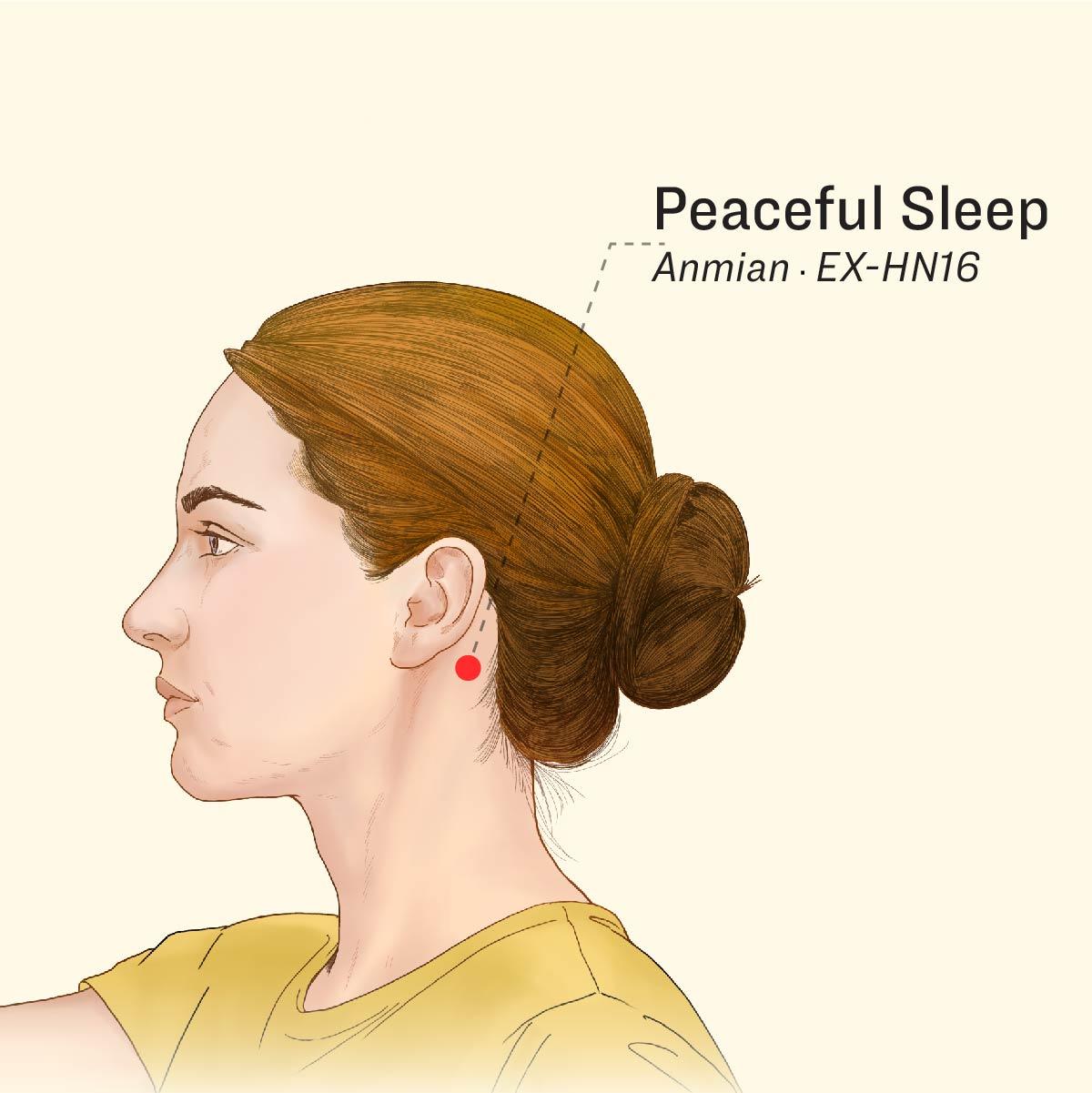
Stress-Relieving Acupoints
Self-massaging acupoints can help relieve stress and promote relaxation anytime. Chen recommends the following three easily accessible acupoints: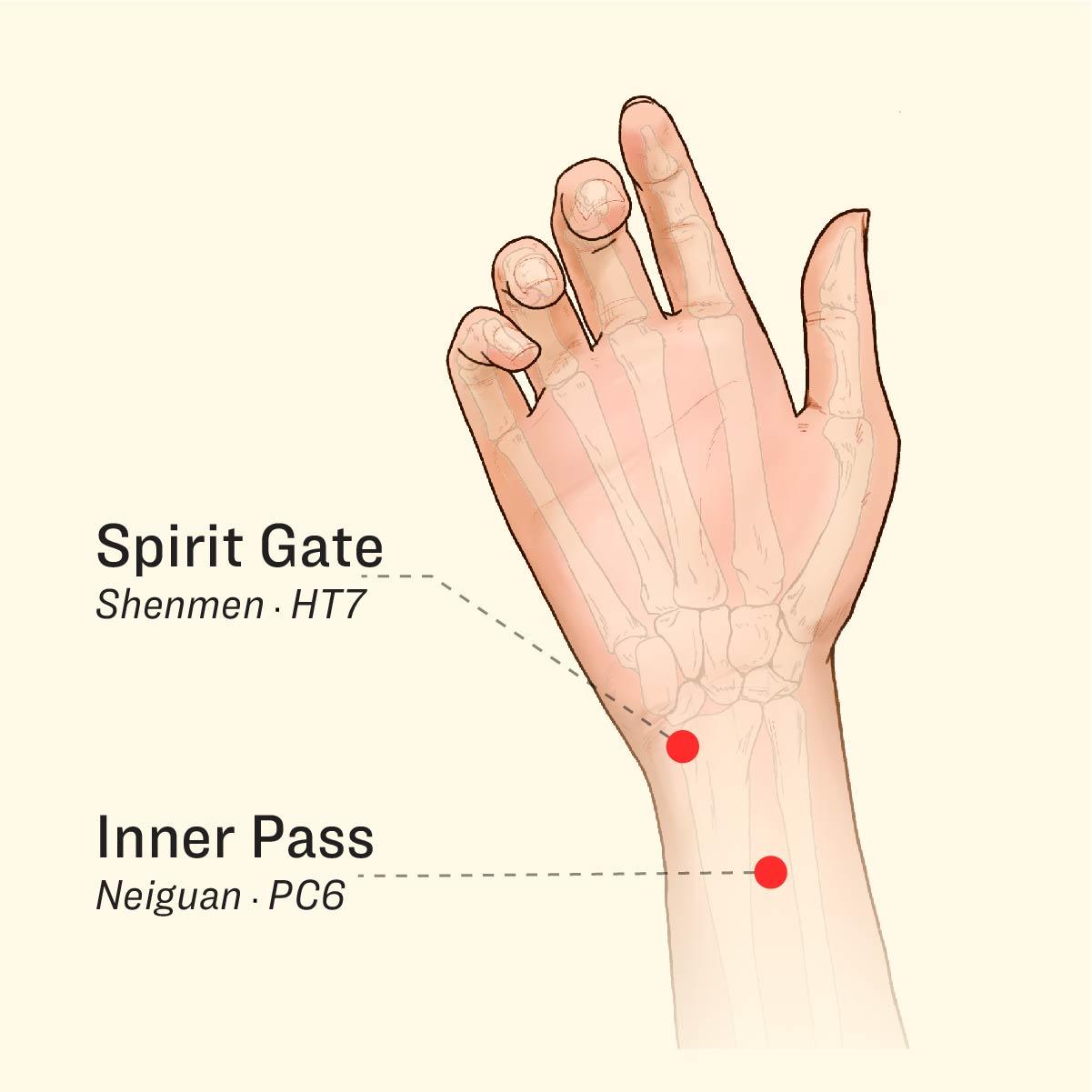
The Most Powerful Medicine
In today’s high-speed, high-stress world, cancer may be a disease of not just the body but of the mind and emotions as well.“Don’t wait until your body breaks down. Learn to listen to your emotions, manage stress wisely, and give yourself permission to heal,” Chen said.
Sometimes, the most powerful medicine is not a pill but a peaceful mind.