Papaya contains papain, a proteolytic enzyme that offers natural digestive support. Papain and other papaya compounds may improve gut health along with helping to ward off multiple chronic diseases.
Story at a Glance
- Papaya (Carica papaya) contains papain, a powerful proteolytic enzyme.
- Papain is a natural digestive enzyme that’s historically been used not only for improving digestion but also to relieve pain, inflammation, and diarrhea.
- Papain was found to decrease potentially disease-causing proteobacteria while increasing beneficial Akkermansia muciniphila in mice, suggesting beneficial effects on the gut microbiota.
- Increasing evidence supports the use of fruit proteases like papain to prevent colitis, inflammatory bowel disease, and other chronic diseases, including diabetes, cancer, and heart disease.
- Papain has antioxidant and anti-inflammatory properties, which show promise for reducing symptoms of inflammatory bowel diseases.
Papaya (Carica papaya) contains papain, a proteolytic enzyme useful for breaking down both protein and carbohydrates. Papain is so powerful that papaya is often recommended as a natural meat tenderizer.1
While proteolytic enzymes act as natural anticoagulants by breaking down fibrin that forms blood clots, papain is a natural digestive enzyme that’s historically been used not only for improving digestion but also to relieve pain, inflammation, and diarrhea.2
As such, papaya—traditionally known as a “fruit of long life”3—has long been prized as a remedy for abnormal digestion by those living in tropical and industrialized countries alike.4 Evidence also supports its use as an aid for a variety of digestive disorders.
Papaya Supports Digestive Health
Rich in fiber and with a high water content, this nutrient-dense fruit naturally supports a healthy digestive tract. However, its secret “ingredient” for digestion is papain. A study published in Metabolites explains:5“Due to their antibacterial, antifungal, anti-inflammatory, antithrombotic, anticancer, fibrinolytic, and immunomodulatory properties, these two enzymes [papain and bromelain from pineapple] have found numerous applications in medicine as digestive assistance, as a potential adjunct in cancer therapy, in the treatment of osteoarthritis, diarrhea, sinusitis, sports injuries and respiratory tract diseases (as a mucolytic), as well as in food production, textile industry, and cosmetics.”Further, papain and other papaya extracts have antibacterial properties against multiple enteropathogens, including E. coli, listeria, and salmonella, and as such, have been used in food products to enhance safety. In a study on mice, papain was found to decrease potentially disease-causing proteobacteria while increasing beneficial Akkermansia muciniphila, suggesting “beneficial effects on the gut microbiota.”6
Increasing evidence also supports the use of fruit proteases like papain to prevent colitis, inflammatory bowel disease, and other chronic diseases, including diabetes, cancer, and heart disease,7 while the researchers concluded, “Oral administration of bromelain and papain to healthy young mice demonstrated a stimulatory effect on pancreatic function, resulting in improved digestion capacity of dietary protein.”8
In the Metabolites study, papain was found to significantly increase trypsin activity in the pancreas, likely due to enhanced bioavailability of amino acids from the breakdown of dietary protein. This is another sign of its digestive support, the team explained:9
“Papain boosted the presence of active trypsin in the cecum [the beginning of the large intestine], which was accompanied by reduced protein content in the chyme [partly digested food]. Thus, it is assumed that a plant enzyme-enriched diet could influence the hydrolysis of proteins into short-chain peptides, which increases food digestibility and modifies gut microbiota composition …
“We presume that fruit proteases have the potential to alter the gut microbiome by enhancing protein-digestive capacity, providing substrates for bacterial metabolic requirements.”
Papaya Compounds May Relieve IBS Symptoms
A randomized controlled trial published in Neuro Endocrinology Letters looked into the use of a papaya preparation in people with ingestion and dysfunction of the gastrointestinal tract.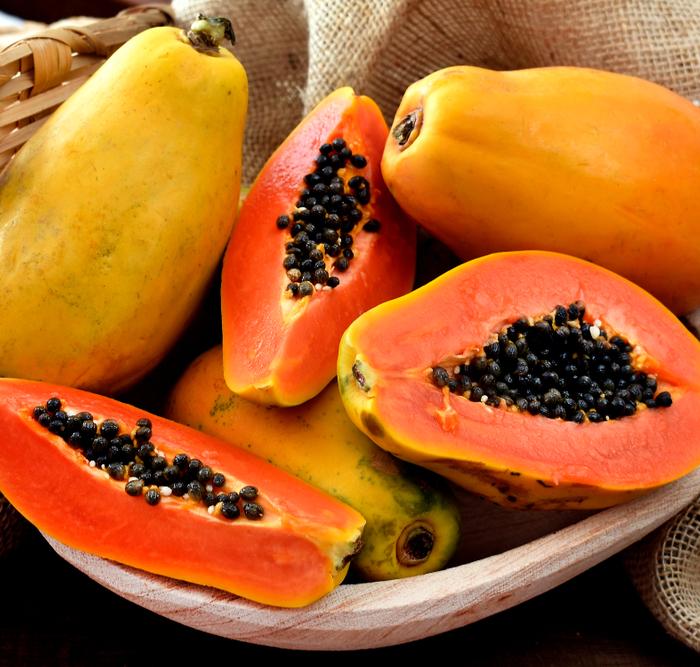
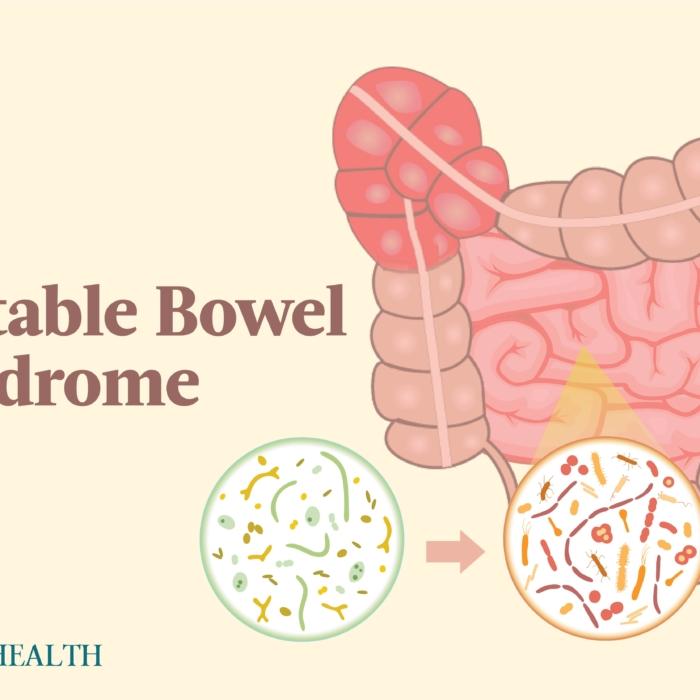
“Former clinical observations had revealed positive effects for patients with constipation, heartburn, and symptoms of irritable bowel syndrome (IBS) after eating papaya preparations,” the team noted.10
For the study, subjects consumed 20 milliliters of papaya preparation for 40 days, which led to significant improvements in constipation and bloating. “We conclude from these results, that the papaya preparation … contributes to the maintenance of digestive tract physiology. It ameliorates various functional disturbances, like symptoms of IBS,” according to the researchers.11
Papain also has antioxidant and anti-inflammatory properties, which show promise for reducing symptoms of inflammatory bowel diseases. In an animal study of rats with intestinal inflammation, papain, as well as bromelain, led to decreased symptoms and reduced biomarkers of oxidative stress and pro-inflammatory cytokines.12
Papaya Provides a Wealth of Nutrition
Papain is just one reason to enjoy this sweet, juicy fruit. Papaya is also a rich source of phytochemicals, including alkaloids, phenolic compounds, carotenoids, and glucosinolates. Micronutrients, including calcium, phosphorus, zinc, copper, and manganese, are also found in papaya, as are magnesium, potassium, vitamin C, vitamin E, and B complex vitamins. A literature review published in Foods continued:13“Lycopene, the main pigment in red pulp papaya, has important health implications as a strong antioxidant due to its great capacity for scavenging free radicals among carotenoids, closely followed by β-cryptoxanthin (beta-cryptoxanthin) and β-carotene (beta carotene). Seeds are rich in phenolic compounds, including benzyl isothiocyanate, glucosinolates, β-carotene, and carotenoids. ...
“Usually, only papaya pulp is consumed, and ripe fruit is a carminative, diuretic, expectorant, sedative, and has preventive action against dysentery, skin diseases, psoriasis, and ringworm. The unripe fruit is used as a remedy for ulcers and impotence, reducing menstrual irregularities, and promoting natural menstruation flow in women. ...
“Papaya juice helps in relieving colon infections and gastrointestinal maladies, such as dyspeptic and celiac disease, whose patients cannot digest wheat protein gliadin but can tolerate it if treated with crude papain. In fact, two important compounds of papaya are chymopapain and papain, which are widely useful for digestive disorders and disturbance of the gastrointestinal tract.”
Fermenting Papaya May Boosts Its Benefits
Fermented papaya is also receiving attention as a nutraceutical with anti-inflammatory, immunomodulatory, anti-cancer, and antioxidant properties. Due to its potential to reduce oxidative stress, it may be useful for Alzheimer’s disease and other neurodegenerative disorders, allergic disease, cancer, and anti-aging support.14In one study, individuals who ate fermented papaya for six months experienced a significant reduction in one biomarker of oxidative stress damage to DNA, increased aging, and the development of cancer.15
Further, fermenting dietary fibers from papaya also leads to the production of short-chain fatty acids (SCFAs), which play a role in building the gut barrier, making it less permeable to disease-causing microorganisms.16 Fermented papaya preparations have even been found to favorably modulate gut microbiota in older adults receiving their nutrition from feeding tubes.17
With both anti-inflammatory and immune-modulatory properties, fermented papaya preparations contain both prebiotics and probiotics and may help stimulate the immune system in the colon.18
What Else Is Papaya Good For?
Beyond gut health, papaya exerts a number of additional beneficial effects on human health. Papaya leaf extract, for instance, significantly increased platelet and red blood cell counts in an animal study,19 while papain may have anti-obesity effects.In a study on obese mice, papain reduced body weight, lipid accumulation, and inflammation, with the team concluding, “Collectively, these results suggest that papain exerts anti-obesity effects … by regulating levels of adipogenic factors involved in lipid metabolism and inflammation; thus, it could be useful in the prevention and treatment of obesity.”20 They continued:
“As a popular folk remedy, papain was used to reduce pain, inflammation, infection, swelling, diarrhea, and allergies, in addition to improving digestion. It is also known for its wound healing properties, antibacterial activity, and exhibits inhibitory effects on platelet activation, monocyte-platelet aggregate formation, strongyloidiasis, atherosclerosis and peritoneal adhesion.”Papaya also shows promise for diabetes. Supplementation with fermented papaya preparation for 14 weeks led to improvements in several organs affected by oxidative stress during diabetes. Levels of C-reactive protein significantly decreased, while the LDL/HDL ratio was also affected. The study’s authors, from the University of Mauritius, explained:21
“FPP® (fermented papaya preparation) may present a novel, economically feasible nutraceutical supplement for the management of diabetes and for those at risk for cardiovascular disease, neurological disease and other conditions worsened by overt inflammation and oxidative stress.”Papaya’s anti-cancer effects are also being explored. In one study of 14 plant foods, only papaya extract had a significant anti-proliferative effect against breast cancer cells.22
Papaya extract has been explored for the treatment of breast, liver, blood, pancreas, skin, prostate, and colon cancers,23 while Memorial Sloan Kettering Cancer Center explains, “Papaya leaf extract modulates the immune system by enhancing the production of Th1 cytokines such as interleukin-12, interferon-gamma, and tumor necrosis factor-alpha.”24
Extracts from the black seeds of ripe papaya have also been found to have anti-cancer effects on prostate cancer cells, leading to significantly decreased proliferation.25
How to Pick a Papaya
Papaya is a high-risk crop in terms of genetic engineering, as a GMO variety is widely available.26 Therefore, it’s important to seek out organic papaya, not only to avoid exposure to pesticides but also because genetically engineered papaya is widespread.Look for a papaya that is slightly green to yellow. It will ripen to maturity in two to three days in your home, outside the refrigerator. A fully ripe papaya is bright yellow, and the flesh should be soft to the touch. Avoid fruit that’s overly soft at the store or has areas that are bruised or damaged.
Once fully ripened, you can store papaya in your refrigerator in a plastic bag for up to seven days before it becomes overripe and likely too soft to eat. Another method is to ripen the fruit in a brown paper bag on your counter. This traps the ethylene gas produced during the ripening process and helps the fruit ripen more quickly. Keep the bag away from heat, however, as this will cause the papaya to rot instead of ripen.
Once ripe, the fruit can be peeled, seeded, cut into wedges, and served as you would a cantaloupe. If you like, leave a few seeds attached to add a peppery flavor. Papaya tastes best when it’s cold, so keep it refrigerated for best results.
Originally published Feb. 21, 2024, on Mercola.com
◇ References:
- 1 Tasting Table September 1, 2023
- 2, 20 Int J Mol Sci. 2021 Sep; 22(18): 9885
- 3 Foods. 2022 Feb; 11(4): 563., Intro
- 4, 10, 11 Neuro Endocrinol Lett. 2013;34(1):38-46
- 5 Metabolites. 2022 Nov; 12(11): 1027., Intro
- 6, 7, 8, 9 Metabolites. 2022 Nov; 12(11): 1027
- 12 Int J Health Sci (Qassim). 2023 Sep-Oct;17(5):23-30
- 13, 14 Foods. 2022 Feb; 11(4): 563
- 15 Mediators Inflamm. 2015;2015:624801. doi: 10.1155/2015/624801. Epub 2015 Apr 7
- 16 Inverse, The Science Behind Probiotics
- 17, 18 PLoS One. 2017 Jan 6;12(1):e0169240. doi: 10.1371/journal.pone.0169240. eCollection 2017
- 19 Asian Pac J Trop Biomed. 2013 Sep; 3(9): 720–724
- 21 Prev Med. 2012 May;54 Suppl:S90-7. doi: 10.1016/j.ypmed.2012.01.014. Epub 2012 Feb 11
- 22 Int J Food Sci Nutr. 2009;60 Suppl 6:32-46. doi: 10.1080/09637480802312922
- 23 Anticancer Agents Med Chem. 2019;19(13):1577-1587. doi: 10.2174/1871520619666190722160955
- 24 Memorial Sloan Kettering Cancer Center, Papaya Leaf
- 25 Journal of Cancer Metastasis and Treatment August 28, 2017
- 26 Non-GMO Project, FAQs (Archived)