STORY AT-A-GLANCE
- Honey is the third most-faked food in the world. Tests have revealed 50 percent to 70 percent of all U.S. honey is fake or adulterated.
- True Source Honey, a honey certification group, was created by the businesses it certifies. According to a class action complaint, True Source Honey is being used by these businesses “to fraudulently control the market, sell fake honey at substantially lower prices than honest beekeepers, and divert sales, revenue, and profits to themselves.”
- Honey can be faked and adulterated in many different ways. Common strategies include diluting the honey with sugars or syrups, or feeding corn syrup to the bees rather than allowing them to forage for pollen.
- Inexpensive, low-grade honey can also be filtered and then dusted with high-grade pollen from another location to obscure its origin. Oftentimes, honey labeled as “local” is, in fact, cheap honey sourced overseas.
- To ensure authenticity, buy honey from a local beekeeper. You’ll typically find them at farmers’ markets. Also, use your senses. Many adulterated honeys will lack the floral notes found in pure honey. Adulterated honey may also have a lingering aftertaste, or will simply taste too sugary, and is far stickier and transparent than real honey.
Most Honey on the Market Is Not Real Honey
Another food that is frequently adulterated is honey. Tests have revealed 50 percent to 70 percent of all U.S. honey is fake or adulterated,4,5 and according to a comprehensive review of fake foods published in the Journal of Food Science,6 honey is the third most-faked food in the world. As reported by Better Homes & Gardens, Oct. 2, 2023:7“You probably weren’t aware that much of the honey found on grocery store shelves is actually fake—in some cases, it contains little to no actual honey. In fact, honey is one of the most faked foods found in our food supply today ...
“Honey can be adulterated in many ways—from treating it with heat to filtering it to diluting it with modified additives like sugar or syrup. It can be harvested too early as plant nectar, doctored up, and sold falsely as the end product, honey.
“It can even be labeled as local when it’s really sourced internationally. Other particularly savvy honey-making imposters go as far as to feed bees sugar and syrup to produce honey, rather than natural foraging — severely impacting the product’s nutritional benefits ...
Beware of Fake Manuka Honey
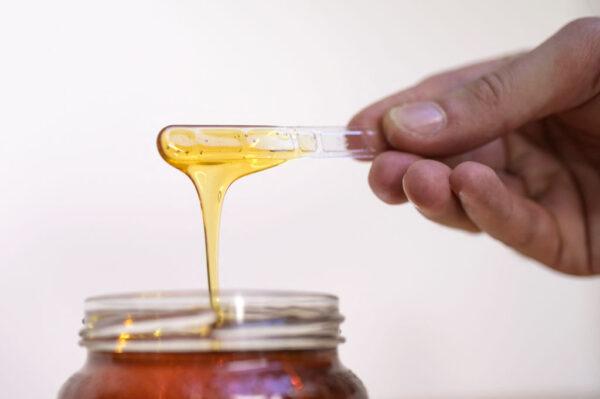
When it comes to Manuka honey, prized for its superior health benefits, both topically and internally, only one in seven products tested during a 2014 investigation turned out to be the real thing, that is less than 15 percent!8

The nectar from manuka flowers contains dihydroxyacetone, a precursor to methylglyoxal (MGO), an antimicrobial compound not found in most other honey. The presence of MGO is credited for much of manuka honey’s medicinal prowess, which includes the ability to combat complex antibiotic-resistant infections.
The Fraud Runs Deep
Class action lawsuits filed over the last five years reveal the “honey laundering” scheme runs deep—all the way to True Source Honey,9 one of the largest honey certification groups that is supposed to confirm the source and guarantee the quality of honey.10“… True Source is not the watchdog of the honey industry it claims to be, but the mechanism that makes the conspiracy tick," the Resnick Center for Food Law & Policy writes.
“The complaint alleges that True Source purposely fails to monitor its members for compliance with its own certification program, and that the True Source Certified Standard is designed to allow True Source members to proliferate cheap and adulterated honey throughout the United States.
“Until a recent surface-level revamp in this standard, True Source Certified companies only used outdated and ineffective testing methods that are incapable of detecting all methods of honey adulteration and fraud.
“True Source intentionally uses these outdated and ineffective testing methods to bypass fraud detection. When syrup is detected, True Source turns a blind eye.
“The complaint further alleges that although it purports to be a watchdog of the honey industry, True Source is fully aware that its Certification and Participation program is being used by importers and packers to misrepresent the authenticity of their honey products.”
How Honey Is Faked
Honey can be faked and adulterated in a variety of different ways. Here’s a summary breakdown of some of the most common methods:13- More often than not, the honey is simply diluted with different sugars and/or syrup made from rice, beet, or high fructose corn syrup, thereby forfeiting any health benefits. In rare cases, these additives can also cause the honey to ferment, creating alcohol levels that could be dangerous for children.
- Honey is sometimes heated to high temperatures to avoid crystallization and make it easier to manipulate, yet is still sold as “raw.” Heating above 100 F destroys the beneficial enzymes, effectively eradicating expected health benefits.
- Some honey producers will extract the honey early, when it’s a nectar product and not yet finished honey, and then machine dry it. As a result, it won’t have the health benefits.
- Unscrupulous honey producers will feed high fructose corn syrup to the bees rather than allowing them to forage for pollen.
- Honey is oftentimes labeled as “local” when, in fact, it comes from overseas. So, if you’re using it to address seasonal allergy symptoms, it may not work.
- Honey can be filtered through aliphatic resin, a rinsing technology that removes contaminants. This method obscures the origin of the honey and removes antibiotics, pesticides, and undesirable flavors present in the raw product.
This method is typically used on low-grade unpalatable honey like Indian Gum honey, which cannot be sold due to its disgusting taste and smell. Once dissolved in water and run through this process, you end up with an unscented light-colored amber honey that can be sold. However, the technology also eliminates the enzymes and chemicals responsible for honey’s health benefits.
- Inexpensive, lower-grade honey can be filtered and then dusted with high-grade pollen from another location to obscure its origin. The end product also may not have the health benefits assumed
Sweetwater Science Specializes in Honey Testing
With fraud so rampant, how can you be sure you’re getting real, unadulterated, unfiltered honey? The only way to be absolutely certain that honey hasn’t been adulterated would be to test its chemical composition, which is something Sweetwater Science Labs14 specializes in. As reported by Vice:15“As an independent and ISO accredited lab, Sweetwater Science is up for hire by anyone who wants to test honey—beekeepers, consumers, packers, and lawyers … Even people off the street who want their honey tested can bring them their samples, which happens more than you might think.
“[Jim] Gawenis is a scientist—he doesn’t sell honey or import it. He doesn’t even certify the honey he tests as good or bad, either; he analyzes it with Bruker’s NMR [nuclear magnetic resonance] food screener, and provides the data to his clients. From there, they can do what they like with the information.”Unfortunately, Sweetwater Science doesn’t publish results on their website, but the Vice article includes the results of several honeys brought for testing by the author, Shayla Love. Some of the results are surprising indeed.
How to Ensure You’re Getting Real Honey
Most people probably aren’t willing to go quite as far as lab testing their honey. In this case, the commonsense strategy is to buy honey from a local beekeeper. You’ll typically find them at farmers’ markets.Also, use your senses when selecting honey. Many adulterated honeys will lack the floral notes found in pure honey. Adulterated honey may also have a lingering aftertaste, or will simply taste too sugary.
Real honey also isn’t very sticky. Rather, it tends to have a balm—or cream—like consistency when rubbed between your fingers. If it’s excessively sticky, chances are refined sugars or syrups have been added.
- MGO (methylglyoxal) is a measurement of the main ingredient, which has a direct correlation to its antibacterial properties. The higher the MGO, the higher the potency in terms of healing ability. All genuine Manuka honey produced in New Zealand is tested for MGO.
- NPA (non-peroxide activity) refers to its antibacterial activity and is equivalent to the UMF rating. For example, an MGO of 550 equates to an NPA of 15, and many companies will list both on the label.
- UMF (unique Manuka factor) is a trademark registered and controlled by the UMF Honey Association, which provides some assurance of both quality and genuineness. The UMF correlates to the MGO but also includes other quality and authenticity checks.
◇ References:
- 1, 3 Amazon “Real Food/Fake Food: Why You Don’t Know What You’re Eating and What You Can Do About It,” by Larry Olmsted 2016
- 2, 8 Forbes July 15, 2016
- 4 Insider Sept. 26, 2020
- 5, 10, 13, 15 Vice March 6, 2020
- 6 Journal of Food Science Nov. 9, 2011; 76(9): R157-R163
- 7 Better Homes & Gardens Oct. 2, 2023
- 9 True Source Honey
- 11, 12 Resnick Center for Food Law & Policy, Legal Recourse for Self-Regulation in the Honey Industry June 9, 2021
- 14 Sweetwater Science Labs
- 16 Bees and Trees Aug. 18, 2023