He Han-yi, founder of the Taiwan Integrative Functional Medicine Education Center, spent her childhood in a bedroom plagued by chronic water leaks and relentless dampness. Mold spread across the walls and curtains, quietly affecting her health. From a young age, she struggled with asthma and sinusitis, and her symptoms worsened over time. By high school, insomnia, brain fog, and chronic pain had become part of her daily life. Moreover, during her university years, even mosquito bites triggered severe allergic reactions.
“It wasn’t until I entered the field of functional medicine that I realized these persistent health issues were linked to mold growing inside my body,” she told The Epoch Times. By making changes to her environment, adjusting her diet, and supporting detoxification, she gradually regained her health.
How Mold Harms the Brain and Body
More than 500 mycotoxin types—including aflatoxins, ochratoxins, and many others that are associated with mold—have been identified. Yen Tzung-hai, director of the Clinical Poison Center at Chang Gung Memorial Hospital in Taiwan, said in an interview with The Epoch Times that different molds entering the human body can trigger different diseases.Cognitive Impairment
A 2025 study published in Scientific Reports analyzed data from more than 11,888 older adults and found that people living in homes with musty odors, commonly used as a marker of hidden mold contamination, had about a 40 percent higher risk of cognitive impairment. The association remained significant after adjusting for age, sex, lifestyle factors, and housing conditions.Autism
Beyond their association with cognitive decline in older adults, mycotoxins have also been observed to affect the nervous system in children. Studies have reported significantly higher levels of ochratoxin A—a potent mycotoxin found in contaminated cereals, coffee, and dried fruits—in the urine and serum of children with autism compared with healthy controls, suggesting a potential association between mycotoxin exposure and abnormal neurodevelopment.Allergies
Chronic exposure to mold and damp indoor environments can increase the risk of allergies by repeatedly stimulating the immune system. Mold spores and microbial particles released from water-damaged materials act as persistent airborne allergens that can cause sensitization—the initial, symptomless process in which the immune system recognizes foreign substances as a threat—especially in children.
Autoimmune Diseases
Mold exposure may also provoke abnormal immune responses. One study published in Frontiers in Immunology found that among 30 teachers and 50 students in a wooden school building infested with mold, more than one-third developed autoimmune diseases over a 20-year follow-up period. That makes them much more likely than the general population to develop autoimmune diseases. Notably, two teachers developed exceptionally rare autoimmune conditions: one was diagnosed with inclusion body myositis, an inflammatory and degenerative muscle disease, and another with neurosarcoidosis, which causes inflammation in the nervous system.Intestinal Inflammation
Evidence from dietary exposure studies shows that eating or inhaling of mycotoxin-contaminated foods can directly damage gut health. Once eaten, mycotoxins come into contact with the intestinal lining, where they can harm the intestinal barrier, disrupt gut microbiota, and trigger abnormal immune and inflammatory responses, potentially contributing to or worsening inflammatory bowel disease.Carcinogenic Risk
Certain mold toxins found in food are known to increase cancer risk. Aflatoxin, classified by the International Agency for Research on Cancer as a definite human carcinogen, is strongly linked to liver cancer. Research shows that it promotes cancer by damaging DNA, triggering oxidative stress, disrupting cell regulation, and weakening immune defenses.People Most Vulnerable to Mold Exposure
Different populations have varying levels of tolerance to the toxins and dangerous organisms associated with mold. Yen said that the following groups face higher health risks from long-term mold exposure:- People With Compromised Immunity: People with chronic illnesses or cancer patients undergoing chemotherapy have weaker immune defenses, making them more susceptible to worsening symptoms or liver and kidney damage caused by mycotoxins.
- People With Asthma: Inhaling mold spores can trigger allergic reactions and may provoke asthma attacks.
- Infants, Children, and Older People: Infants’ and children’s immune systems are not yet fully developed. Older adults often have a weaker immune system. This makes all three groups more vulnerable to the effects of mycotoxins.
How to Reduce Exposure to Mold
Although mold cannot be completely avoided, daily diet and habits at home can lower your risk of exposure.1. Be Cautious of Mold in Food
If any part of a food item shows mold, the entire item should be discarded, not just the visibly affected portion, Yen said. That’s because mold filaments often penetrate deep into the food. When discarding moldy food, seal it in a plastic bag before placing it in the trash to prevent spores from dispersing into the air.He also warned that foods prone to mold should be stored correctly. For instance, peanuts can easily accumulate aflatoxins, while moldy coffee beans or coffee grounds can produce ochratoxin. Such foods should never be stored in warm, humid conditions.
2. Remove Mold From Your Home
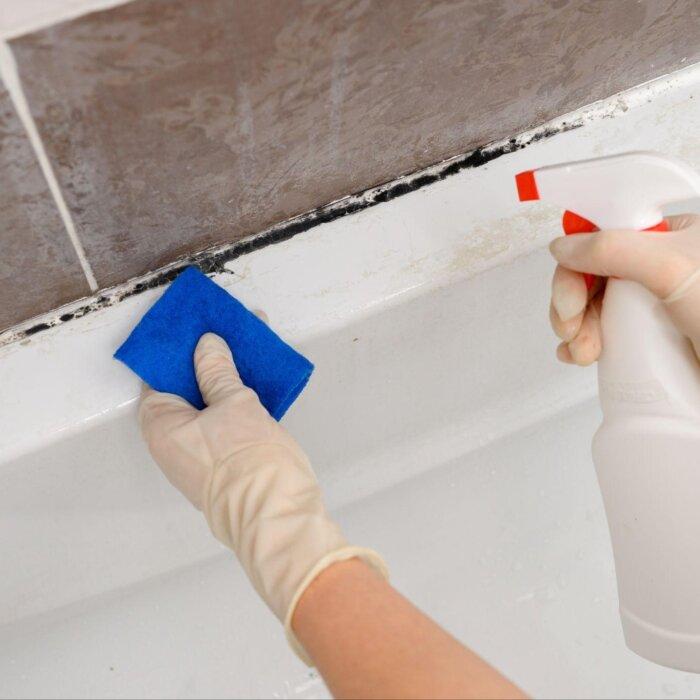
Indoor mold commonly appears in areas with moisture problems, such as roof, window, or pipe leaks, or in regions previously affected by flooding. High indoor humidity can also promote mold growth on walls, carpets, and wooden furniture. Bathrooms with poor ventilation are another common breeding ground for mold.Because mold spores cannot grow without moisture, using dehumidifiers or maintaining good ventilation at home is recommended to reduce the risk of mold spreading.
Taiwanese home expert Chen Ying-ru told The Epoch Times that to remove minor mold infestations, you can use sodium percarbonate. She recommended mixing it with a small amount of water to form a paste, applying it directly to the affected area, letting it sit for several hours, then rinsing it thoroughly with clean water and letting it dry completely.
For more severe infestations or visible mold patches, use bleach or a commercial mold remover or bathroom mold cleaner. When using commercial products, spray them directly on the affected area and follow the instructions provided.
If using bleach, fold a piece of paper towel into a strip, soak it in bleach, and apply it to the moldy spot. Leave it in place for several hours, then remove the paper, rinse the area with clean water, and dry it.
Detox the Body With TCM Methods
While reducing mold exposure is essential, enhancing the body’s natural ability to detoxify is equally important. Tian Yi-min, director of Yimin Fashion Traditional Chinese Medicine (TCM) Clinic in Taiwan, told The Epoch Times that detoxification is a fight between the body’s vital energy and pathogenic factors. This is known in TCM as “supporting the righteous and expelling the pathogenic,” which restores the body to its normal state.Detox Tea Recipe
This gentle detox tea blends warming spices and traditional herbs to support digestion, promote circulation, and help the body’s natural detoxification process.- 3 grams (o.1 ounce) cinnamon bark
- 1 red date
- 2 slices licorice root
- Wash all ingredients and place them in a pot
- Add 17 ounces of water and bring to a boil
- Strain and drink the tea once a day once daily
Foods That May Support Detoxification
In addition to the tea, Tian recommended eating more high-fiber foods to support regular bowel movements and reduce the buildup of toxins in the intestines. Supplementing with probiotics may promote intestinal motility and inhibit the growth of harmful bacteria.Tian also suggested eating more dark green vegetables to support the liver’s detoxification.
Tian also recommended that people suffering from mold toxicity avoid processed foods, added sugar, and artificial sweeteners, as these may potentially worsen symptoms such as allergies. “In clinical practice, we often find that if someone has a particular craving for sweets, especially highly processed chemical foods, their symptoms can flare up easily. For example, after eating cake, their rashes may become much worse,” Tian said.
Apart from dietary changes, Tian suggested moderate aerobic exercise or soaking in a hot bath to promote sweating. However, Tian cautioned that older people with thinner skin or reduced vascular elasticity should avoid prolonged baths, as being in water for a long time can place additional strain on the cardiovascular system.