Cassia Egerdahl makes milk kefir for her young children to enjoy the health benefits associated with the probiotic-rich dairy drink.
However, she has been personally avoiding milk kefir since childhood because she doesn’t like the flavor.
“I’m the kind of person who won’t eat something if I don’t like it,” Egerdahl told The Epoch Times. “I thought I should get some of these probiotics for myself, too, so I got online to look for other probiotic drinks.”
As a busy mom, she wanted something simple, with as few steps as possible, that would taste pleasant. She discovered kefir soda, a type of probiotic fermented drink with a sweet, tangy flavor and a slightly carbonated touch—easy to make at home.
Kefir soda, also called water kefir or fermented soda, is becoming more popular among vegans and those who cannot tolerate dairy. Unlike milk kefir, kefir soda’s fermentation doesn’t start with milk but with water kefir grains.
Get to Know Kefir Grains
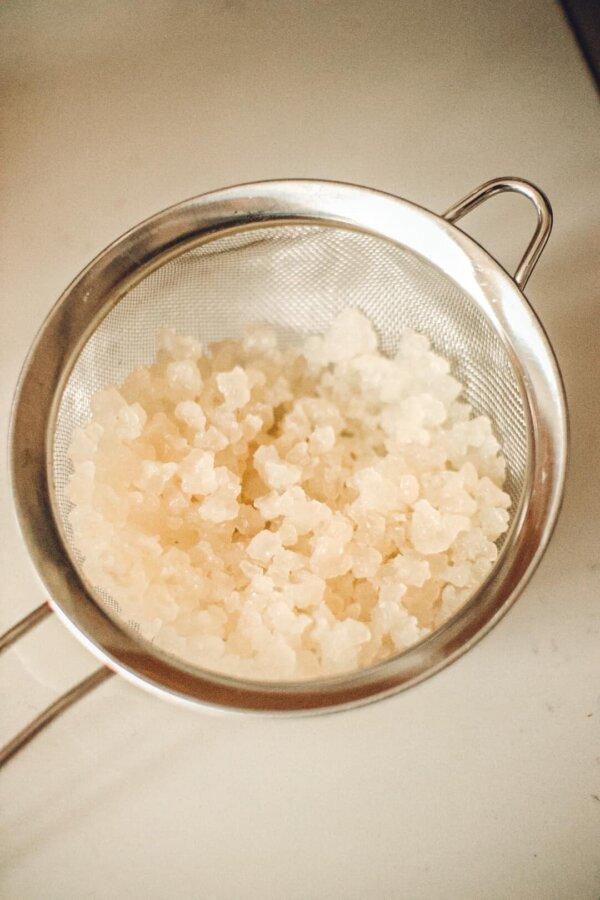
Water kefir grains are a clump of soft, jelly-like translucent white or gray grains made up of healthy bacteria and yeast. You can use them for multiple fermentations to create healthy water. Most people flavor the microbe-rich water with fresh fruit or fruit juice in a second fermentation.
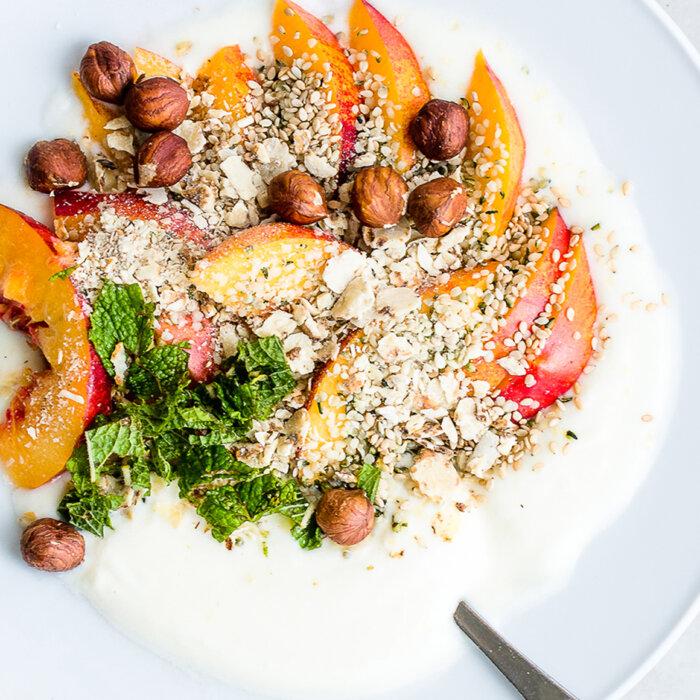
While coconut kefir soda is particularly popular, any kind of juice—or fresh fruit—can be used to make a kefir soda. The higher the sugar content, the more fizzy the drink.
During fermentation, the microbes eat the sugar, turning it into lactic acid and making carbon dioxide. This process significantly reduces the sugar content in the water.
Water kefir grains are different from milk kefir grains, which resemble cauliflower and need a dairy medium to ferment. Besides taste, water kefir soda differs in being more bubbly than its dairy counterpart.
You can buy water kefir grains raw or dehydrated. In many cases, the precise microbes in the finished drink can sometimes be a mystery. Not all products label the specific bacteria and yeast in their ingredients, and even if they do, the exact amounts in the final composition are difficult to determine.
Bubbly and Beneficial
According to the review authors, water kefir contains compounds with proven health benefits for preventing, managing, and treating chronic disease symptoms. Studies, however, are sparse.- Antidiabetic effects were noted in rats with improved glucose levels, less insulin intolerance, and altered genes that balance glucose levels.
- Antioxidant activity was identified in enzyme activity that reduced gastric ulcers in mice and improved oxidation.
- Antimicrobial effects were noted in the compounds produced during water kefir fermentation, such as organic acids, which inhibit the growth of disease-causing microorganisms.
- Anti-inflammatory benefits were discovered in rats that made more short-chain fatty acids that help exert a protective, anti-inflammatory effect on the intestinal barrier.
“Given the possible evidence of water kefir in relation to various pathological clinical conditions, water kefir may be classified as a probiotic food in the future. It could be utilized to prevent and treat various diseases,” the authors wrote.
Although commercial kefir sodas contain live microbes, they can’t be labeled as probiotics, as fermenting is not a uniform process. Probiotic labels must specify exact colonies and strains, which would require further testing of the sodas.
An Easy DIY
Preparing your kefir grains for fermentation takes only about five minutes, and another five minutes to add juice for a second fermentation. Note, kefir grains aren’t actual grains but clusters of bacteria and yeast that multiply when fed. As soon as you begin “feeding” them with sugar, you’ll have the foundation for making continuous kefir water.Egerdahl shared her directions for making a bubbly version of kefir water.
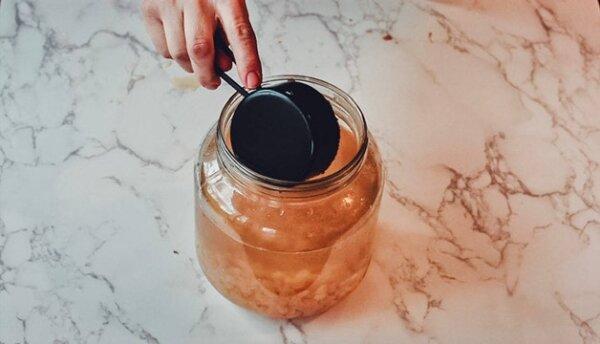
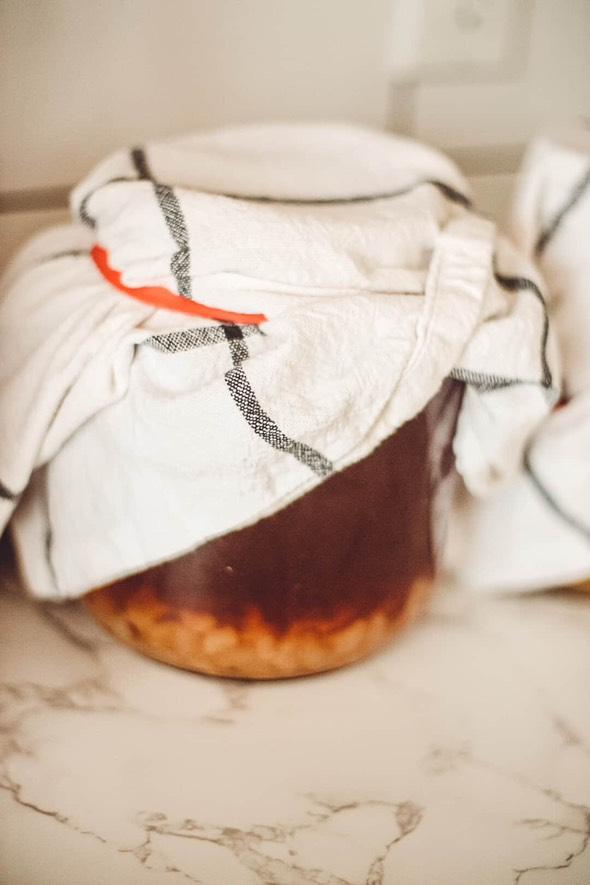
You can taste your water kefir to see if it’s done. It should have a tangy, slightly sour, and mildly sweet flavor.
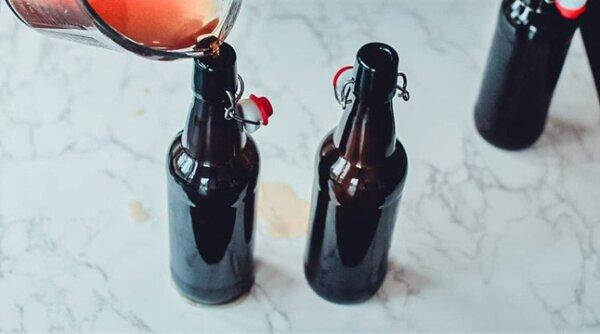
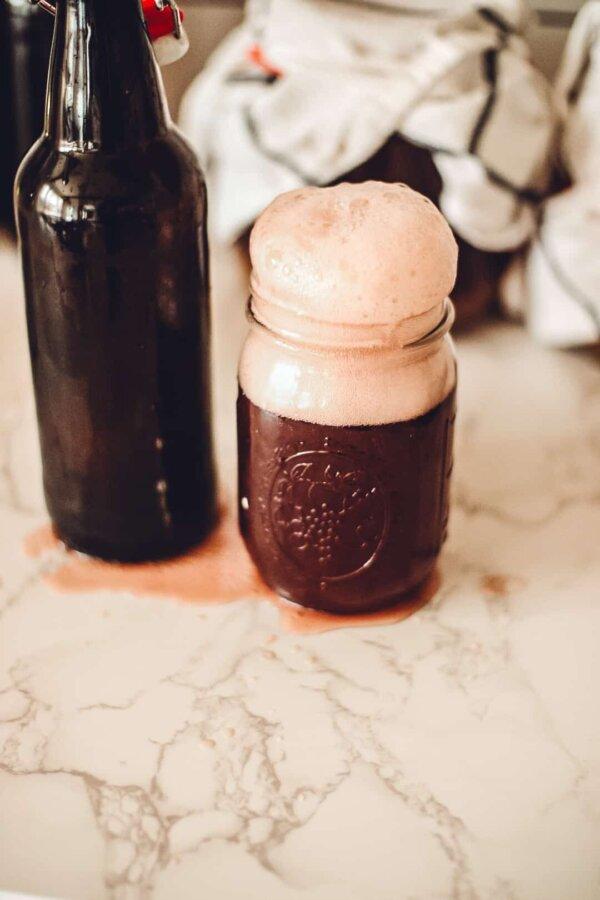
Once it’s fermented, you can store it in the refrigerator. Continue to burp the bottle daily.
Note: Every three or four ferments, add a lemon slice for the first fermentation to prevent the overgrowth of Kahm yeast, a harmless microbe that can alter the flavor of your water.
Alternatively, you can cut out the initial fermentation in steps one and two by using kefir soda starter sachets made by companies such as Cultures for Health and Cutting Edge Cultures. After making the first bottle, which takes two to three days to ferment, you can use 1/2 cup of your juice instead of the soda starter.
Egerdahl and her children love using grape juice for a grape-flavored soda drink, although lately she has been making their beloved drink with tart cherry juice. Tart cherries are known for their anti-inflammatory properties.
Recipes
You can create limitless flavor combinations with kefir soda. Cultured Food Life shared two options.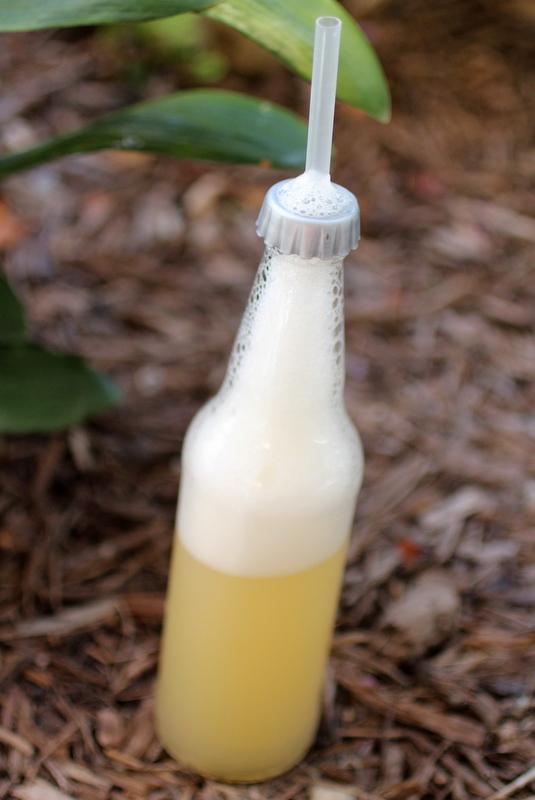
Apple Ginger Kefir Soda
Ingredients- 1 packet kefir soda starter or 1/4 cup kefir whey
- 2 cups apple juice
- 2 tablespoons fresh juiced ginger
- Water, spring or filtered with minerals
- In a glass bowl, add the kefir soda starter or kefir whey to the juice and stir until dissolved.
- Juice your ginger using either a garlic press or a juicer.
- Add ginger and apple juice to a 32-ounce bottle. (Make sure you use bottles such as Grolsch or Bormioli thick glass bottles. Bottles bought at craft stores can explode.)
- Fill the rest of the bottle with water, leaving 1 inch of room at the top.
- Allow it to ferment for three to seven days or until bubbly and fizzy. If your home is 75 degrees F or warmer, it will usually take three to four days to ferment. Fermentation in colder homes can take five days or longer, but you'll need to check it by popping the top and see if it’s getting fizzy. It will start to bubble out the top if it is.
- When it’s done, you can pour it into a glass and enjoy right away or place it in the fridge. It will continue to ferment in the fridge, so burp it daily and use it within 1 to 2 weeks for the most benefits and the best flavor.
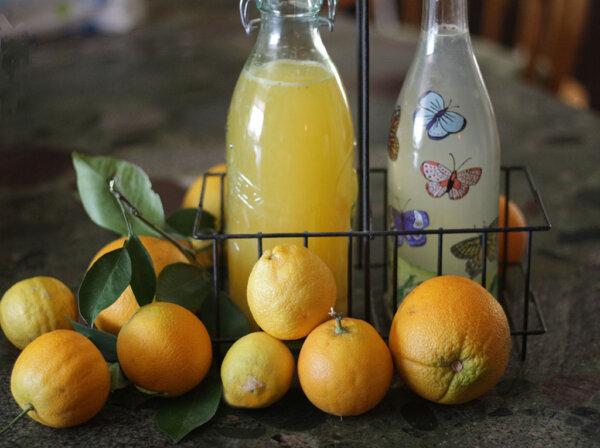
Lemonade Kefir Soda
Ingredients- 1 packet kefir soda starter or 1/4 cup kefir whey
- 1/4 cup sucanat or raw sugar
- 2 ounces lemon juice, fresh squeezed (orange juice works, too!)
- Water, spring or filtered with minerals
- Add 1 cup of warm water to a bowl and add the sucanat (or raw sugar) to dissolve. Add lemon juice and make sure the liquid is at room temperature.
- Add the kefir soda starter or kefir whey to your juice mixture and stir until dissolved.
- Pour the mixture into a bottle; a funnel helps. Make sure that you use bottles such as Grolsch or Bormioli thick glass bottles. Bottles bought at craft stores can explode.
- Fill the rest of the bottle with water, leaving 1 inch of room at the top.
- Allow it to ferment for three to five days or until bubbly and fizzy. If your home is 75 degrees F or warmer, it usually takes three to four days. Colder homes can take five days to a week or longer, but you'll need to check it by popping the top and see if it’s getting fizzy. It will start to bubble out the top if it is.
- When it’s done, you can pour it into a glass and enjoy it right away or place it in the fridge. It will continue to ferment in the fridge, so burp it daily and drink it within one to two weeks for the most benefits and the best flavor.
Re-Culturing From Your 1st Bottle
- You can use 1/3 cup of your finished kefir soda as a starter to make a new bottle. Add the other ingredients and ferment again. It should take only 1/2 to a full day to ferment. It ferments faster than the initial batch, and you can make many bottles over and over again.