World-renowned Hollywood star Bruce Willis was first diagnosed with aphasia in the spring of 2022, and with frontotemporal dementia more recently, for which there is no cure to date. With an increasing number of countries entering the stage of societal aging, dementia has become a major problem that many families and the general public need to face.
In an interview with the “Health 1+1” program, Dr. Guo Dawei from Fuyuan Traditional Chinese Medicine Clinic in Taiwan shared his experience on how to improve and treat dementia through the application of Chinese medicinal herbs, acupuncture, and/or massage, as well as dietary therapy and tea drinks.
Dementia can be divided into two types—vascular, and degenerative. Vascular dementia is caused by cerebrovascular lesions, such as severe stroke and progressive degeneration of small blood vessels in the brain. It is characterized by sudden deterioration of cognitive function, dramatic changes in mood and personality, urinary incontinence, and loss of physical balance.
Depending on the area where the brain function starts to decline, degenerative dementia is divided into the following three types with visibly different symptoms.
4 Common Types of Frontotemporal Dementia
The frontotemporal dementia that Bruce Willis suffers from can be further divided into four common types.5 Sports With High Potential to Cause Brain Damage
Regarding the cause of Bruce Willis’ illness, some have postulated that due to his specialization in martial arts acting, he likely received some hard blows to the head. Guo believes that this could be a possibility as vascular dementia is mainly caused by cerebrovascular disease and brain injury due to physical trauma.The sports Guo suggests to be most likely to cause brain injuries are the following:

TCM’s Way to Treat Dementia
Guo said that for the substantive lesions and abnormal functions of the brains of dementia patients, traditional Chinese medicine (TCM) usually starts with Chinese medicinal herbs and acupoint therapy.Guo noted that the cerebral cortex links to different organs of the body. Any stimulation on the scalp through acupuncture needles creates a resonance effect, stimulating and activating corresponding brain functions. For example, for people with aphasia, areas related to speech functions can be activated, and for people with physical disabilities, parts dealing with movement can be activated. All the relevant areas can also be combined with cupping therapy on the patient’s back.
Guo pointed out that Chinese medicinal herbs including Carthamus tinctorius, frankincense, and Commiphora myrrha that promote blood circulation and remove blood stasis are the most popular choices. They all have the effect of refreshing the brain and resuscitation properties.
Acupoint Locations for Dementia
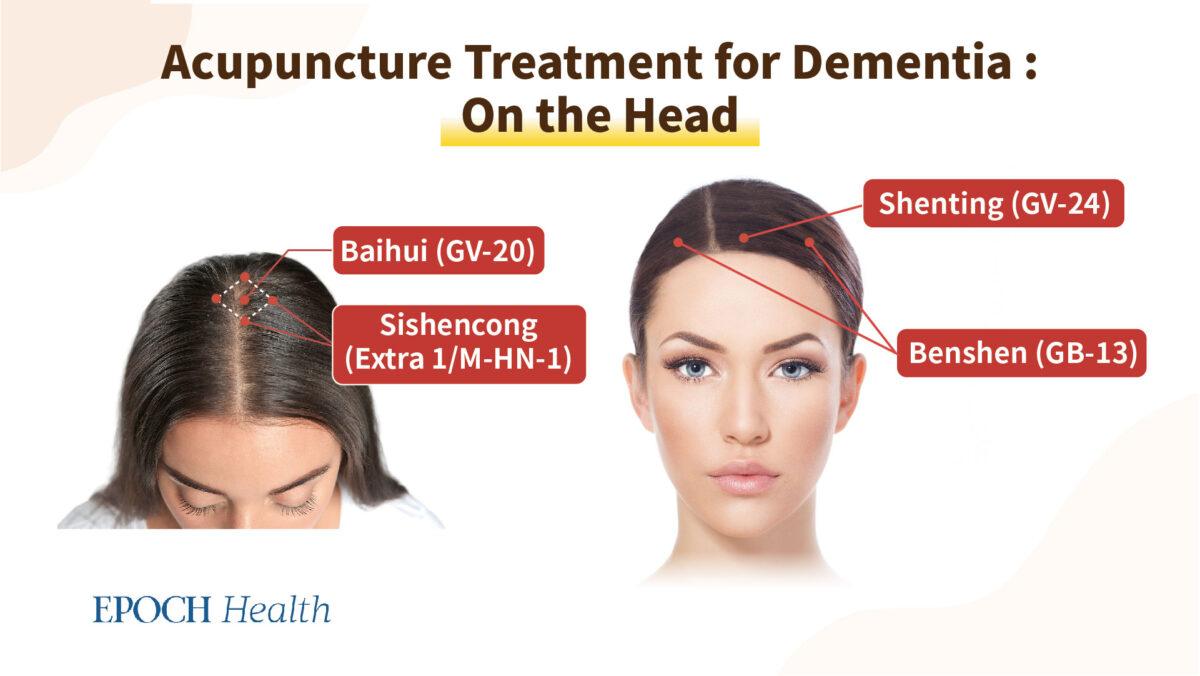
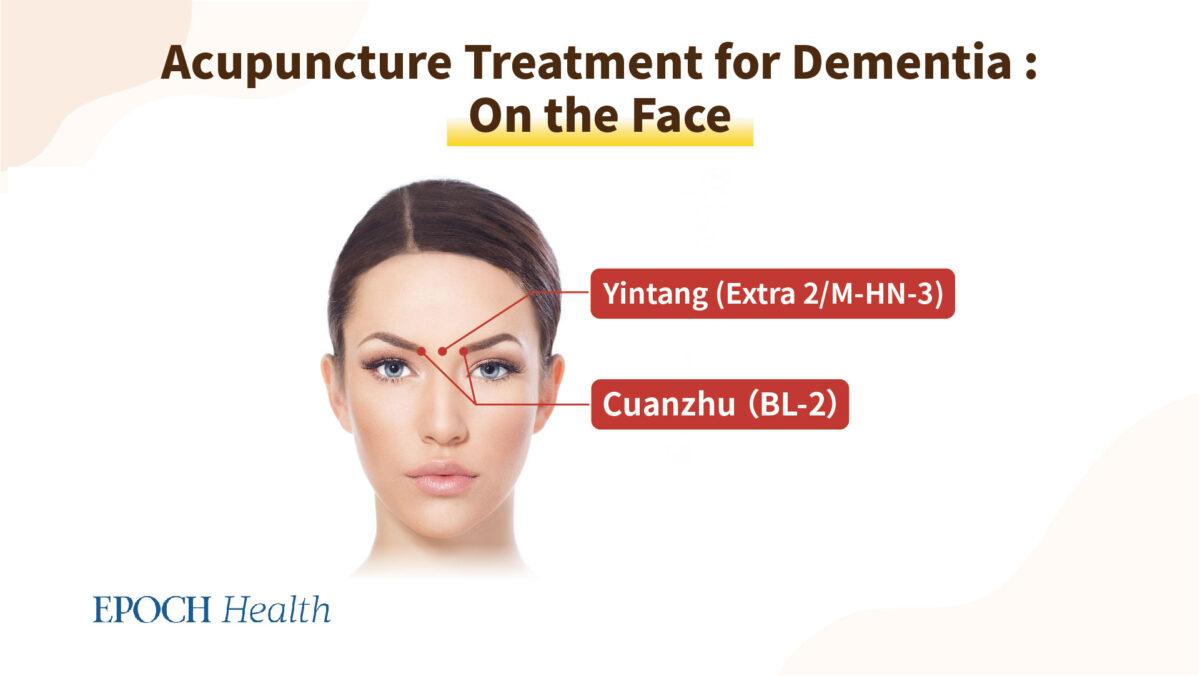
Guo said that dementia can be prevented and/or improved by massaging certain acupoints. According to TCM theory, the meridian is the energy channel of the body, and the internal organs are all connected to the surface of the body through the meridian. Some points on the meridians that have special functions are called acupoints. Stimulating the corresponding acupoints through acupuncture and/or massage can treat diseases of the corresponding viscera inside.Massaging certain acupoints on the head, such as Baihui, Sishencong, Shenting, and Benshen, can reduce mental symptoms, improve memory, and help maintain language and thinking capabilities. In addition, massaging the acupoints on the face, such as Yintang and Cuanzhu can help calm the mind.
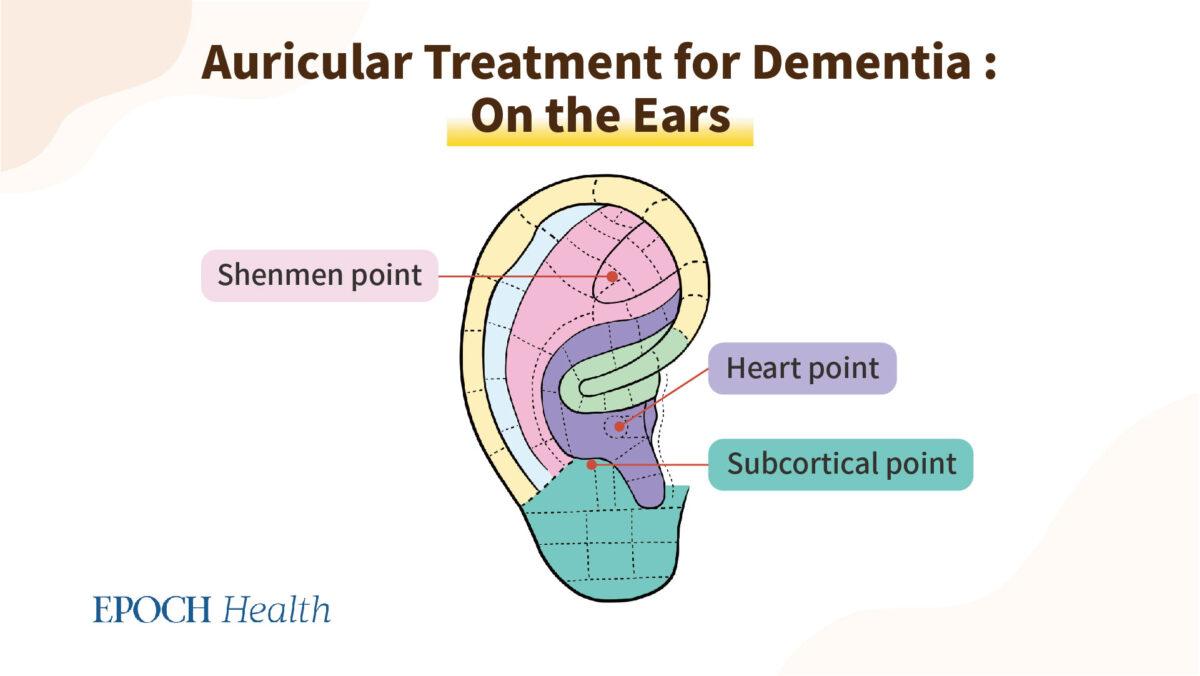
Guo suggested that you can massage the ears with both hands, and stimulate the auricular points on the ears, such as the heart point, the Shenmen point, and the subcortical point, which can regulate the nerves and calm the mind.
(Health 1+1/The Epoch Times)
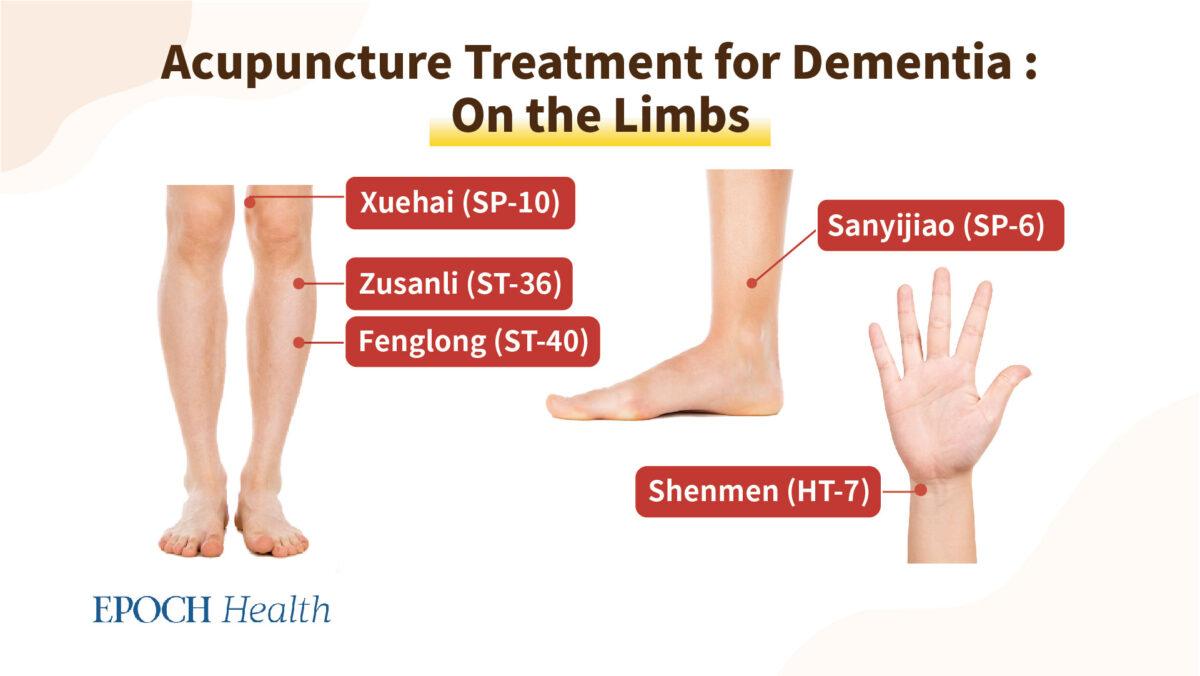
According to Guo, you can also massage acupoints on the limbs, such as the Xuehai, Zusanli, Fenglong, and Sanyinjiao on the lower limbs, which can boost the spirit and improve physical activity. In addition, massaging the Shenmen near the wrist can suppress anxiety, help sleep, and ease emotional instability in the elderly.
Anti-Dementia Tea and Herbal Diet
Guo recommended one tea drink and one medicinal soup recipe to help prevent dementia.Ingredients: Gastrodia elata 4 gm (about 0.14 ounce), Codonopsis pilosula 8 gm (about 0.28 ounce), Salvia miltiorrhiza 8 gm ( about 0.28 ounce), licorice 2 gm (about 0.07 ounce), lily 4 gm ( about 0.14 ounce).
Preparation: Brew all the above in 500ml of boiling water, and drink after 5 minutes Rebrew the remainder for a second serving.
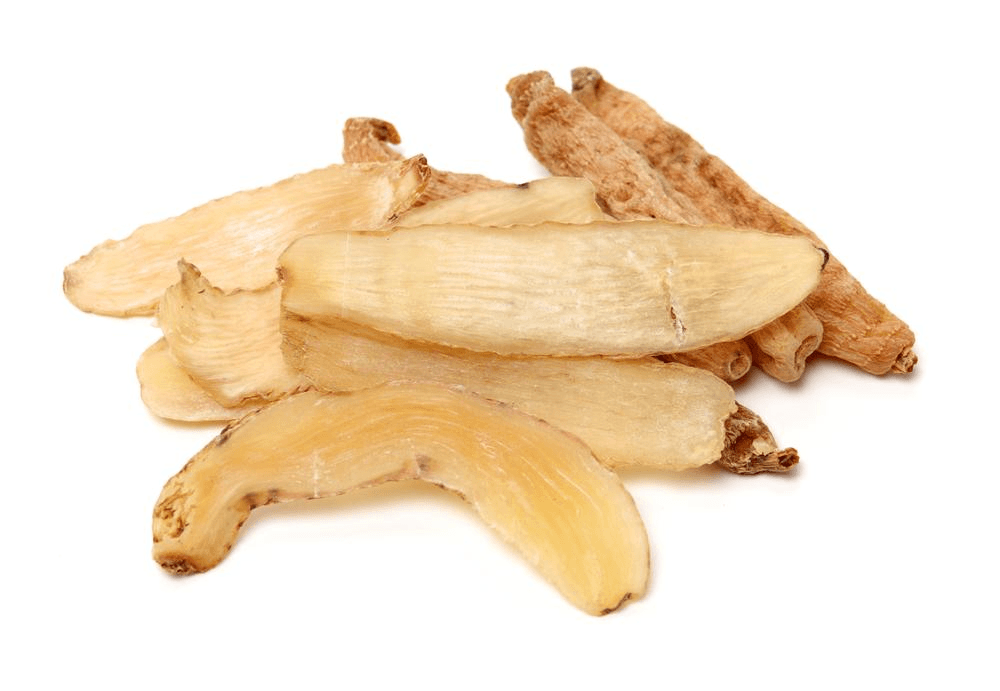
Ingredients: 1 silky chicken, 10 fresh shiitake mushrooms, wolfberry (goji berry) 12 gm (about 0.4 ounce), 10 red dates, Gastrodia elata 20 gm (about 0.7 ounce), Fallopia multiflora 12 gm (about 0.4 ounce), and an appropriate amount of salt.
Some of the above-mentioned herbs may sound unfamiliar, but many are available in Asian supermarkets.