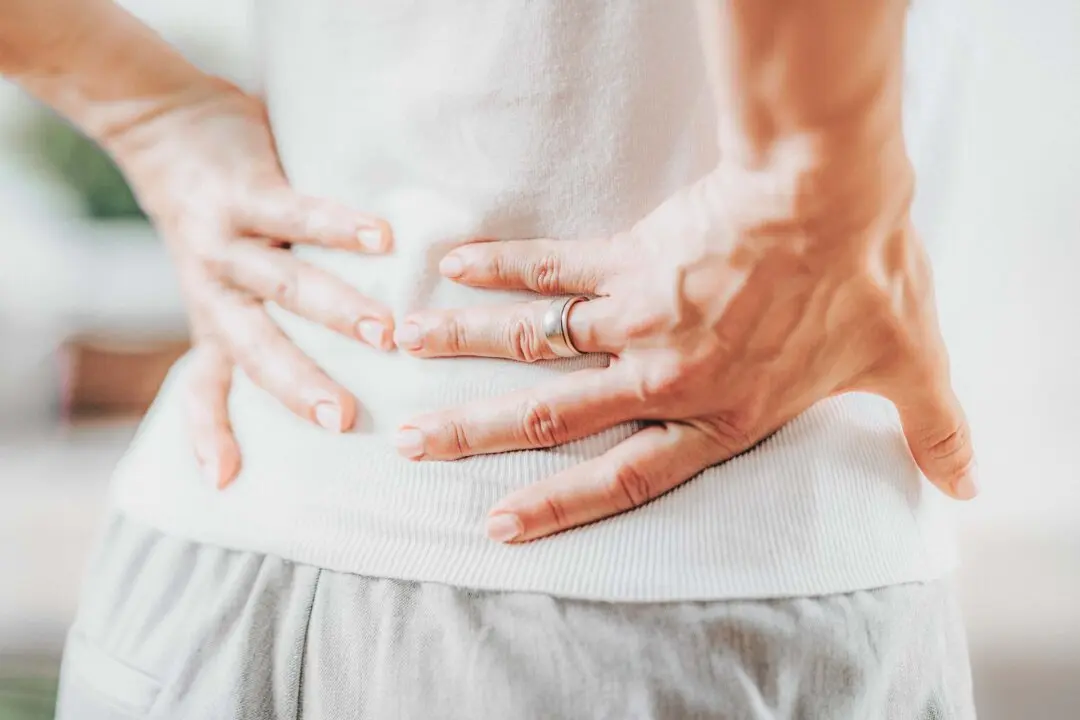
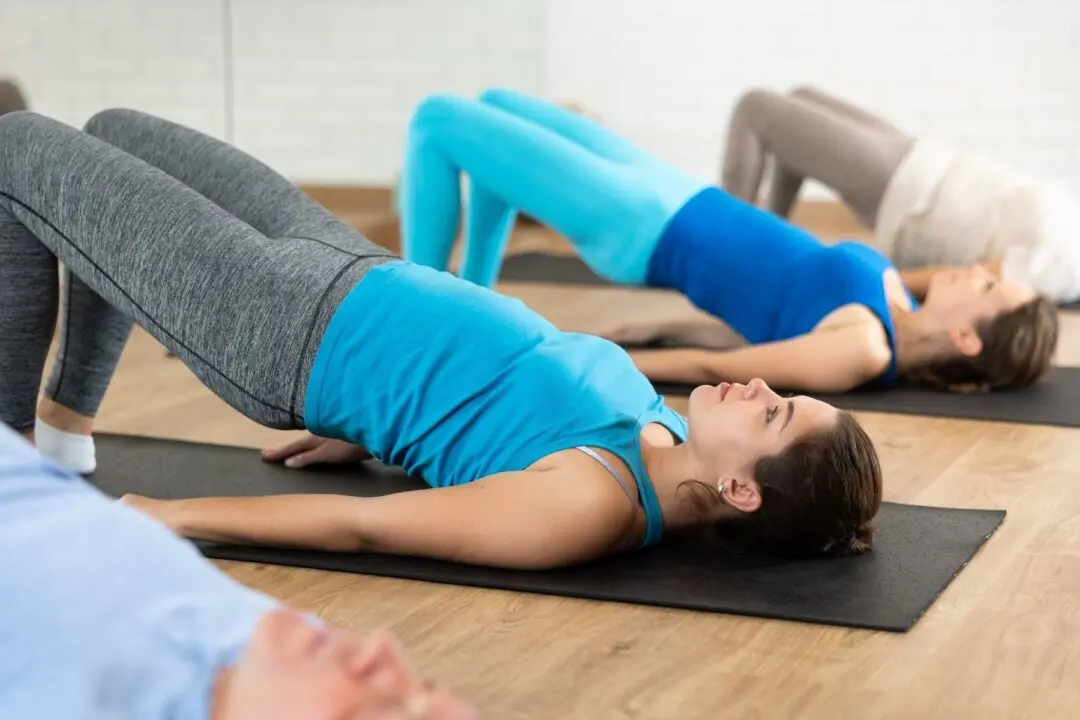
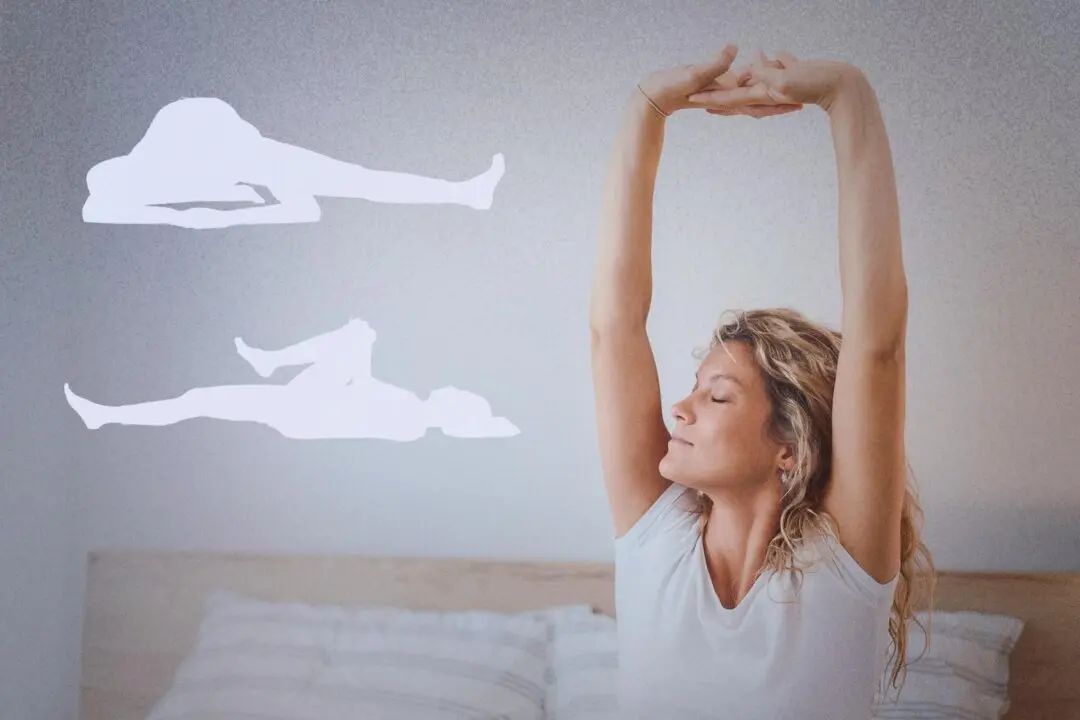
Stretching the hips is beneficial for many people, including office workers who sit much of the time, runners and cyclists, and older people who are less active. It can reduce back pain and increase gluteal muscle vitality. For women, hip stretching can train the pelvic floor muscles and promote uterine blood circulation.
Hip stretching doesn’t require equipment and can be done at home or the gym.
Hip Structure and Relation to the Meridians
The hips are the regions located on both sides of the pelvis, including the hip joint and the surrounding muscles. The muscle groups involved include the pelvic floor, gluteal, inner thigh, and iliopsoas muscles. As a ball and socket joint, the hip is connected by multiple ligaments and muscles that provide a wide range of motion, ensure stability, and reduce the risk of dislocation.
According to traditional Chinese medicine (TCM), the liver meridian passes through the hip area. Starting from the instep of the big toe, it runs along the inside of the ankle, lower leg, and thigh, enters the groin, and continues up to the abdomen and chest. Therefore, stretching the hips can stretch the liver meridians.
TCM believes that “the liver governs dispersion,” and the liver meridian is responsible for promoting the flow of qi (energy), blood, and body fluids throughout the body to avoid blockages, the so-called “once through no more pain.” If qi and blood are blocked, it is a precursor of blood stasis, leading to aches, pains, and other discomforts.
TCM has found that the human body has a meridian system responsible for transporting qi and blood throughout the body. They are the basic substances that constitute the human body and maintain all physiological activities. The meridian system has 12 main meridians, and the liver meridian is one of them.
Those who work long hours while sitting and older people who often sit for extended periods may develop weakness in the glute and leg muscles and poor blood circulation. This is one main cause of back pain and stiff hip joints, and also affects one’s posture, resulting in problems such as sagging hips and enlarged thighs.
For women, sitting for prolonged periods could lead to weak pelvic floor muscles and poor blood circulation in the uterus. If combined with stress or depression, weak pelvic floor muscles could lead to gynecological diseases such as fibroids and cysts.
Hip stretching is easier said than done for certain adults. It also needs to be done regularly, slowly, and step-by-step.
7 Benefits of Hip Widening and Muscle Stretching
Hip-opening exercises benefit the joints, muscles, and nerves. Go easy in the beginning, and with regular practice, the exercises will become easier.
1. Maintains Muscle Strength
Hip opening stretches can effectively stretch and relax the tight muscles around the hip joint, improve fascia adhesion caused by long-time sedentary posture, and restore muscle strength. Increasing the elasticity and strength of the pelvic floor muscles can improve urinary leakage problems caused by weak pelvic floor muscles.
2. Activates the Joints
Increased flexibility and reduced tightness in the hips expands the range of motion and improves mobility. Flexible hip joints also help distribute pressure more effectively, reducing excessive strain on the knee joints.3. Relieves Pain
Stretching the hip joint can help relieve back pain and hip pain.
4. Resolves Negative Emotions
TCM holds that when a person is in a state of negative emotions or distress, the abdominal pulse becomes tight. A TCM saying is, “Sooth the liver to relieve stagnation,” so dredging the liver meridians and removing their blockages through stretching helps alleviate negative emotions.
In TCM, the concept of the liver goes beyond the anatomical organ and includes the areas where the liver meridian travels.
5. Regulates Autonomic Nervous System
TCM believes that the liver is responsible for the regulation of the body’s autonomic nerves. Stretching the liver meridian in the hip area can help balance the autonomic nerves. Coupled with deep breathing during exercise, it can effectively relieve stress and achieve a relaxing effect.
6. Improves Sleep Quality
High stress and long working hours can create a state of excitement that can linger during rest, making it difficult to fall asleep. Slow stretching exercises before bed increase your body temperature, making you feel more relaxed and helping you fall asleep sooner.
7. Promotes Pelvic Blood Circulation
Hip-pulling exercises can promote blood circulation in the pelvic floor muscles, thereby relieving menstrual pain in women, reducing qi and blood stasis in the uterus, and preventing fibroids and tumors caused by stasis.
Front and Back Hip Stretching
1. Cross-Leg Stretching

2. Forward Leg Press

3. Forward lunge

Step 1: Stand with your feet in a T-step.
Step 2: Take a big step forward with the front foot, keep the sole of the back foot grounded, and stretch the hip muscles of the back leg.
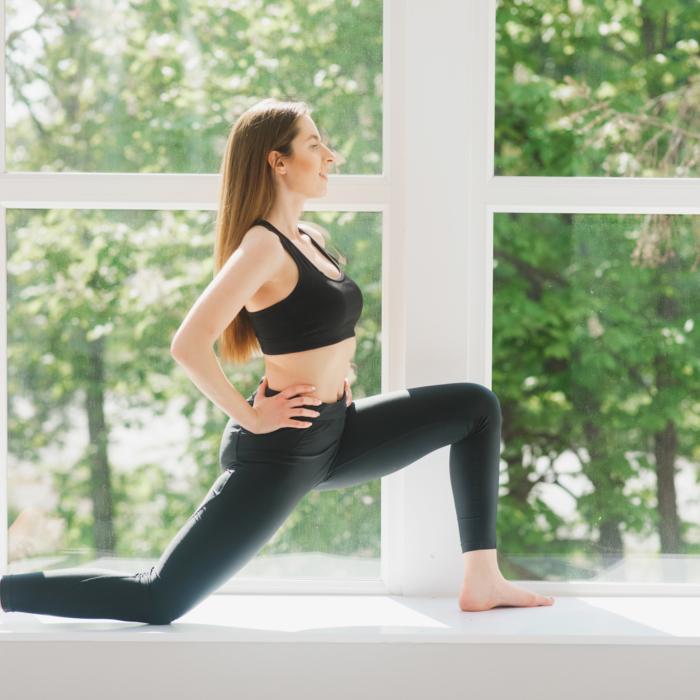
Step 3: Lower your body further into a deep lunge without letting the back knee touch the ground. At the same time, raise both arms overhead to stretch the iliopsoas. Switch sides and repeat.
4. Low Lunge to Hip Stretch

Lateral Hip Opening and Span the Ligaments
1. Butterfly Brace

Step 1: Sit straight with your upper body and the soles of your feet facing each other. Pull your feet as close to your body as possible.
Step 2: Touch the ground with both knees.
Step 3: Open your knees as close to the ground as possible and push your upper body forward.
Note: When stretching, you need resistive force to achieve better effect, so keep your upper body as upright as possible.
2. Frog Legs

Step 1: Kneel and push your body forward. Place your elbows on the ground. Open your knees to both sides and try to keep your hips and knees in the same straight line.
Step 2: Press your body down until your belly touches the ground. Still, keep your hips and knees in the same straight line. Maintain this posture for about 20 seconds. Gradually increase the duration of pressing the legs with more practice.
3. Full Lateral Span

Step 1: Open your legs to both sides in a straight line.
Step 2: Place your hands on the ground and press your hips toward the floor until you can go no more. Maintain the posture for about 20 seconds. Gradually increase the duration of the leg press with more practice time.
Note: This needs to be performed slowly, and with persistence, the hips should get closer and closer to the ground.
4. ‘Number 4’ Leg Hug

Step 1: While lying on the floor, bend one knee. Cross the other leg over with the ankle resting just below the knee.
Step 2: Hold the thigh of the bent leg with both hands and pull it toward the body, holding the shape for about 20 seconds. Switch to the other leg and repeat.