When an older woman with terminal leukemia asked to be discharged from the hospital, her doctors assumed they'd never see her again. Two weeks later, she walked back in. Blood tests revealed that her cancer markers had dropped by 50 percent. The only thing she had done differently was drink tea made from a common backyard weed.
Her hospital roommate, hearing the story, began drinking the tea herself. Blood tests showed her cancer markers dropped 25 percent.
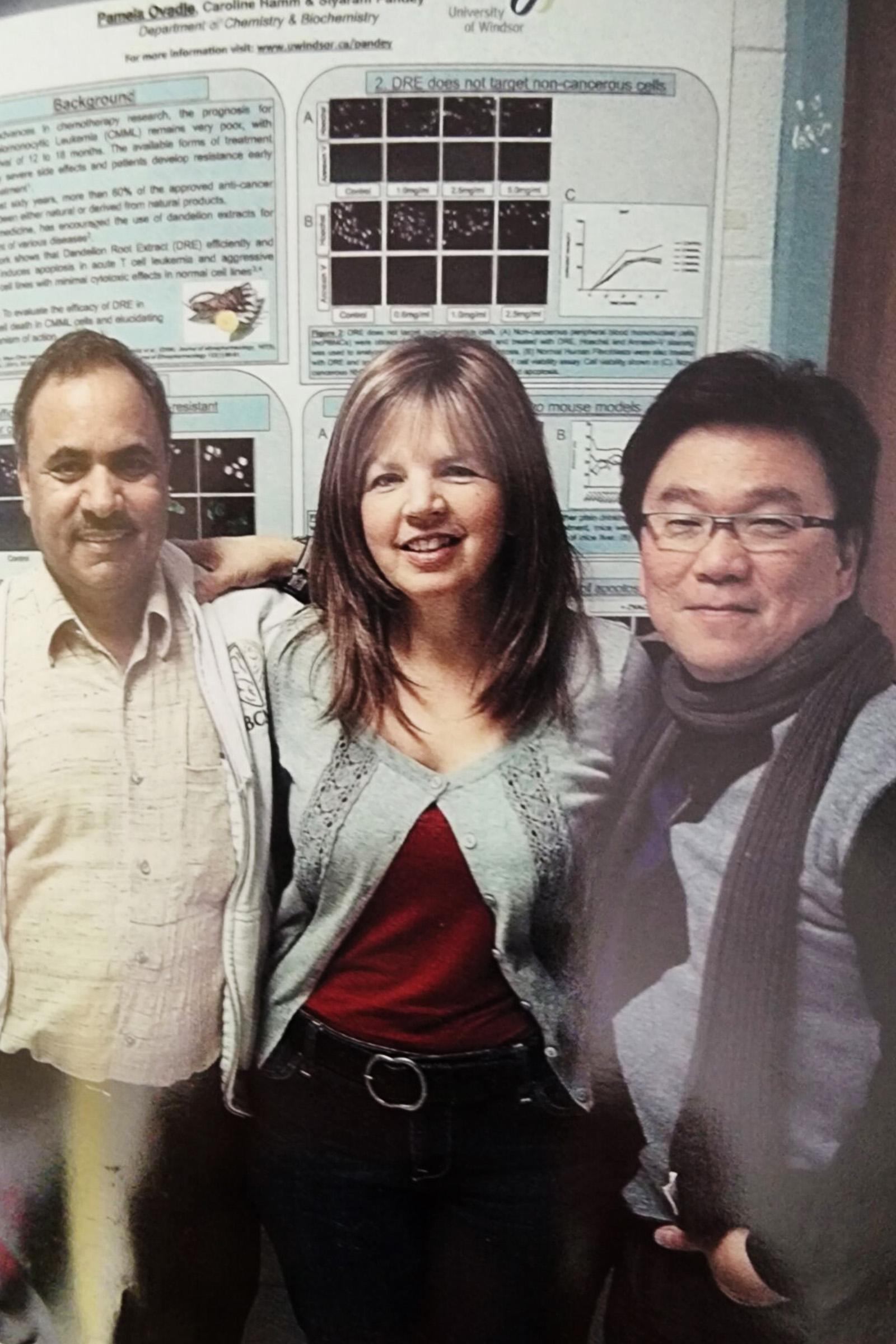
One person having that experience might be a coincidence. Two people getting the same result was something else. Dr. Caroline Hamm, an oncologist who had been treating both patients, picked up the phone and called a biochemist she had been working with on other cancer research.
The science on dandelion has not yet been tested in a completed human clinical trial. However, preclinical evidence and the patient stories that have accumulated alongside it are difficult to dismiss.
The Research Begins

In 2011, Siyaram Pandey, a researcher and professor of biochemistry at the University of Windsor in Ontario, launched a formal investigation into dandelion root as a possible non-toxic treatment for cancer.
The project was seeded with a significant donation from the parents of Kevin Couvillon, who lost his battle with leukemia in 2010, at the age of 26. Couvillon’s immune system had been severely compromised by chemotherapy, and he died as a result of multiple infections. His parents, having witnessed the devastating toll of the treatment firsthand, wanted to fund research into non-toxic alternatives.
Pandey was initially skeptical. His previous research focused on purified plant compounds with known anticancer properties. When Hamm contacted him about dandelion root, he had reservations about how to test it effectively, especially since he did not know how the patients’ tea had been grown, picked, and processed. His solution was to make his own extract: controlled, reproducible, testable.
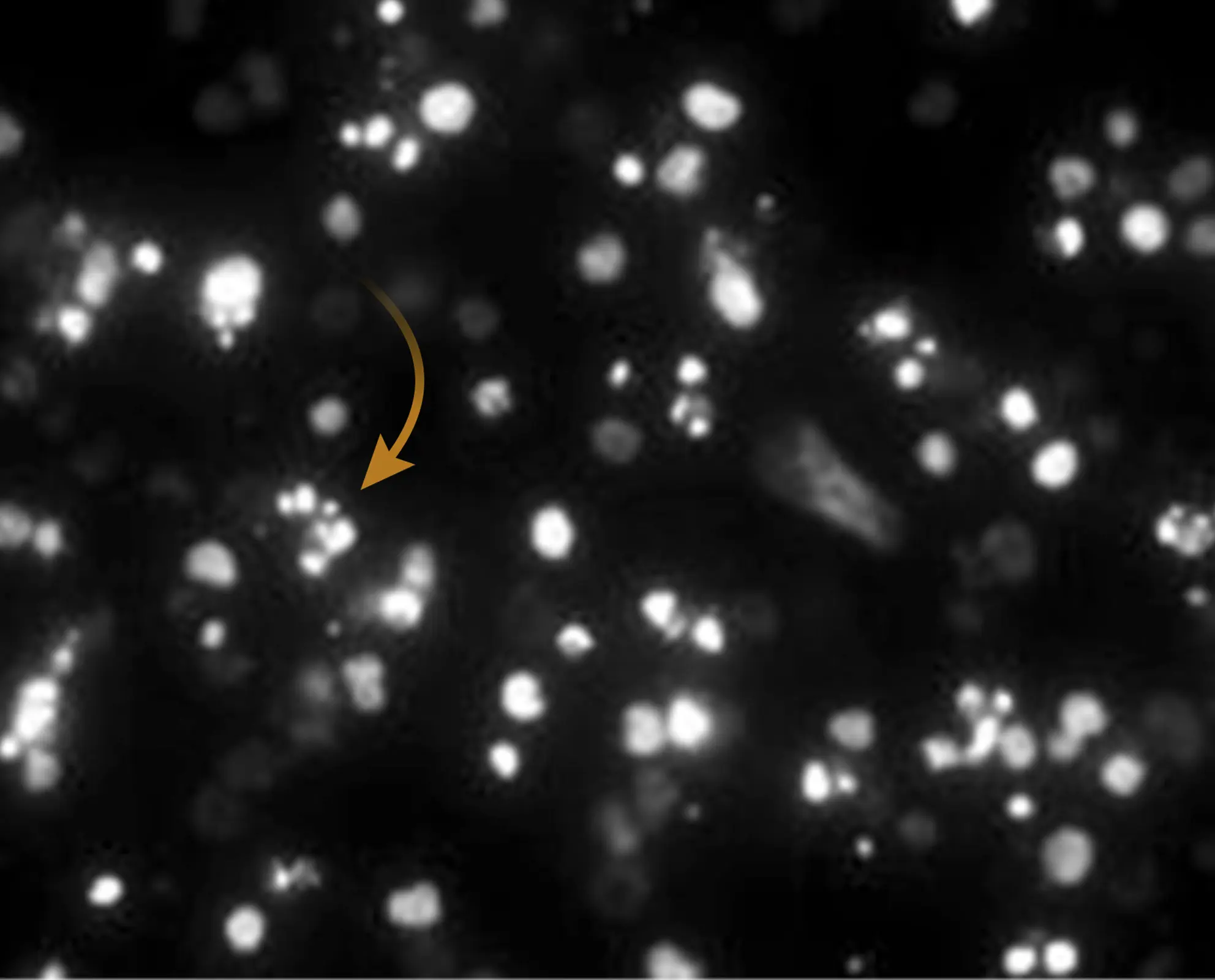
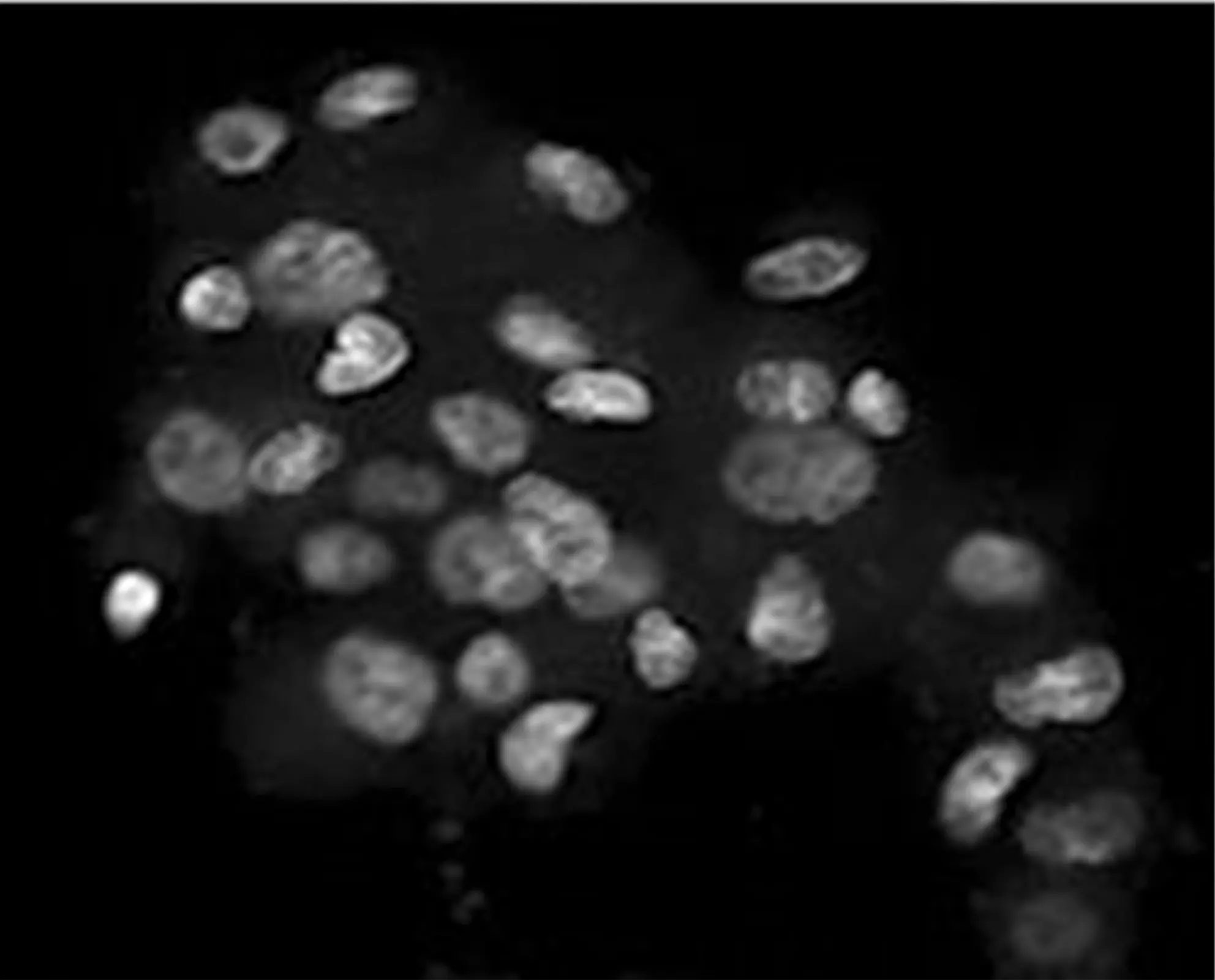
“We had normal cells and cancerous cells. Dandelion root extract was absolutely selective—and that was the moment for me to change my thought about herbal or plant extracts, 180 degrees.”
How It Works
Dandelion appears to kill cancer cells through multiple mechanisms at once, inducing apoptosis (cell suicide), disrupting mitochondria (the energy-producing structures inside cells), increasing oxidative stress, and switching on a process that causes cancer cells to self-digest beyond recovery.
It has also been found to be non-toxic to healthy cells. Pandey and his team have spent years trying to understand why. He believes the answer may lie in the mitochondria, which appear to differ between healthy and cancerous cells, a difference that could help explain dandelion extract’s selectivity.
That selectivity is what sets DRE apart from traditional chemotherapy, which targets all cells that divide quickly.
In addition, most chemo drugs target DNA, whereas dandelion extract contains multiple compounds that hit multiple pathways at once to kill cancer cells, making it harder for them to adapt and survive, Pandey said. One of the major bioactive compounds in dandelion is taraxasterol, which plants use to defend themselves against predators and stress. Found mainly in the roots of the dandelion plant, it is known for its powerful anti-inflammatory, antioxidant, and immunomodulatory properties.
Preclinical Studies
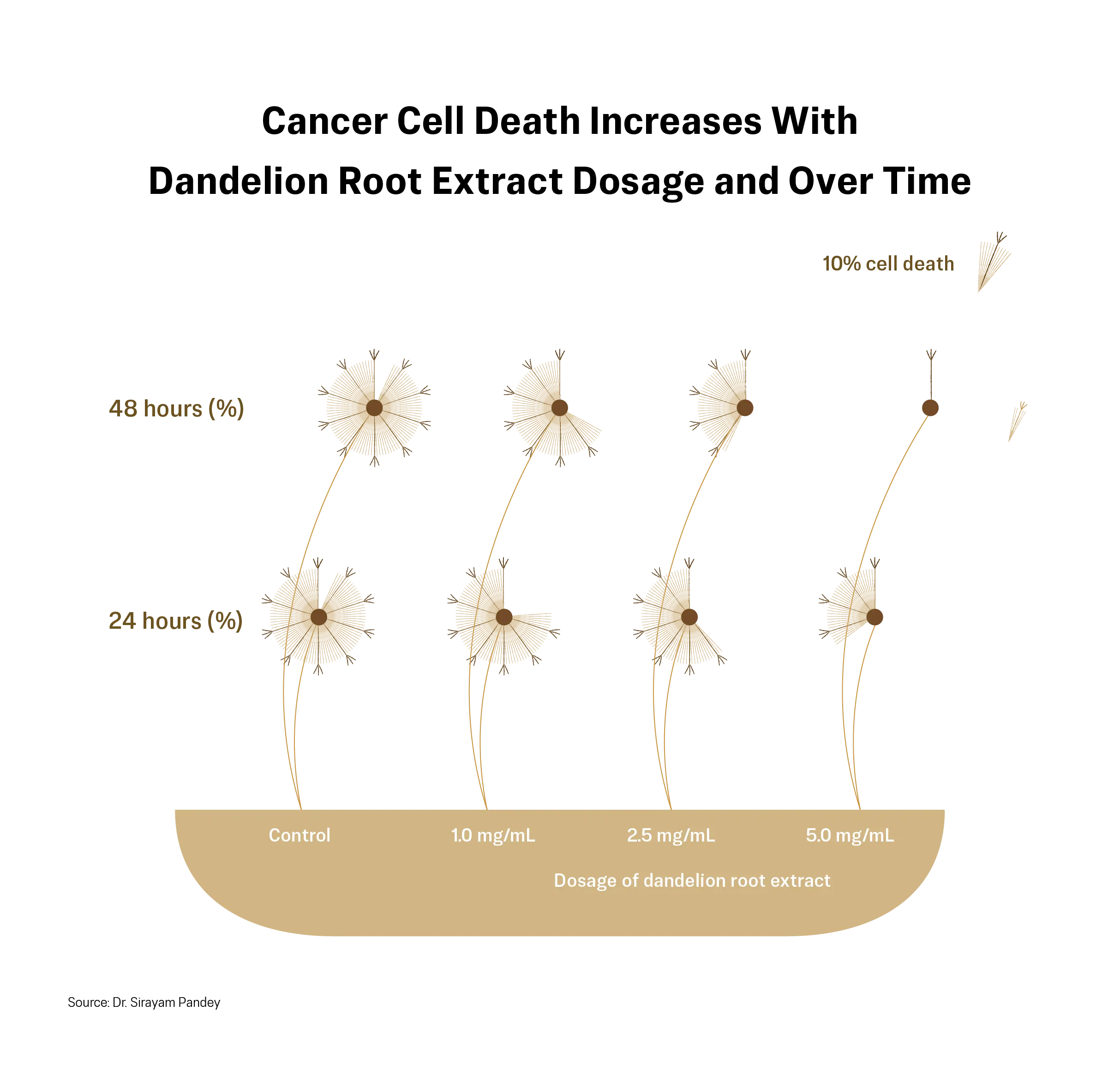
Over the past two decades, Pandey and his colleagues have published a series of peer-reviewed studies testing DRE in various cancer cell lines and animal models.
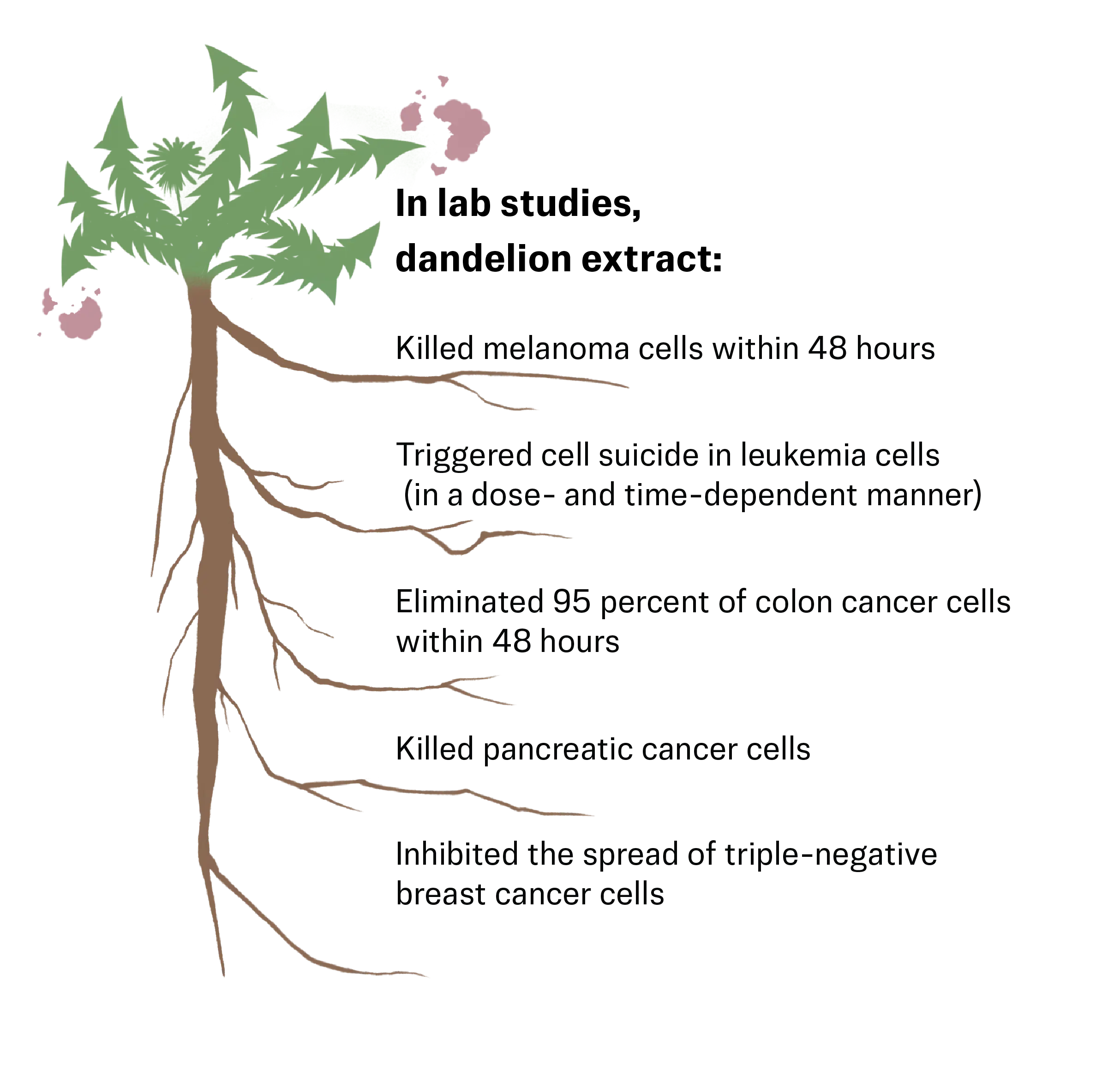
Dr. Prasanth Reddy, a medical oncologist, told The Epoch Times the preclinical findings appear credible and are biologically plausible, commonly explored in the early stages of drug discovery and development.
However, lab results and real-world results are two different things.
“Many compounds—including natural products and synthetic drugs—demonstrate impressive anticancer activity in vitro but ultimately fail to show meaningful benefit in human clinical trials,” he said.
An Oncologist’s Perspective
Reddy offered his view on how patients and doctors should weigh promising lab results against the reality of limited clinical evidence. Lab findings, he said, should be treated as hypothesis-generating, and not as grounds for changing clinical practice.
Still, integrative therapies such as those using dandelion can be considered alongside conventional care if they have supportive evidence and a good safety profile, Reddy said.
Complementary approaches are often considered once a patient has exhausted standard treatment-but in his view, they should start much earlier, he noted. For example, when standard cancer treatments are no longer expected to provide benefit.
After all, many patients with advanced or treatment-resistant cancers do not have the luxury of waiting for a well-designed clinical trial.
However, patients considering botanical products should tell their oncology team, since some can interact with cancer treatments, he said.
He strongly cautioned against substituting an unproven botanical product for evidence-based therapy. “If patients are interested in complementary approaches, these are best considered as adjuncts to—not replacements for—standard oncologic care unless high-quality clinical evidence demonstrates otherwise.”
Real-World Cases
Over the course of his research, Pandey has collected 162 case reports of patients with end-stage cancers who took DRE on their own, recovered, and survived.
John DiCarlo: The First Formally Documented Case
John DiCarlo was a 70-year-old man diagnosed with an aggressive leukemia with a poor prognosis. After several rounds of conventional treatments failed, his leukemia was deemed treatment-resistant, and he was placed on palliative care.
That’s when Hamm, who had already seen improvement in two other patients drinking dandelion tea, mentioned it to DiCarlo. Conventional medicine had nothing more to offer him, so he decided to try it.
DiCarlo began making dandelion root tea at home. The results were almost immediate.
“He started taking it, and he started responding to it so fast that within two weeks, he went into remission,” Pandey said.
Pandey’s son remembers his father when he was taking the dandelion root tea. “It wasn’t that he was just alive,” Aldo DiCarlo told The Epoch Times. “He was working in the garden. He was out there every day … with a really incredible quality of life.”
DiCarlo was monitored every two weeks. After several months, believing he was cured, he stopped drinking the tea. Within 15 days, his cancer cell counts began to rise again.
“That happened to be a very crucial experiment for us,” Pandey said. “It is no longer coincidental. It is no longer anecdotal. It is dose-dependent.”
DiCarlo lived for six more years with an excellent quality of life. He died from an unrelated illness in 2015.
Paula Drew’s Story
In March 2011, Paula Drew, who has no family history of cancer, found a lump in her breast. The diagnosis was invasive ductal carcinoma, the type that was likely to spread quickly. Surgery revealed two tumors that were larger than anticipated, and multiple lymph nodes showed the cancer had already spread.
Drew’s surgeon placed her on the strongest chemotherapy available. Two months into treatment, she began to have problems breathing. She was hospitalized and her chemo sessions stopped. Scans revealed the cancer had metastasized to both lungs.
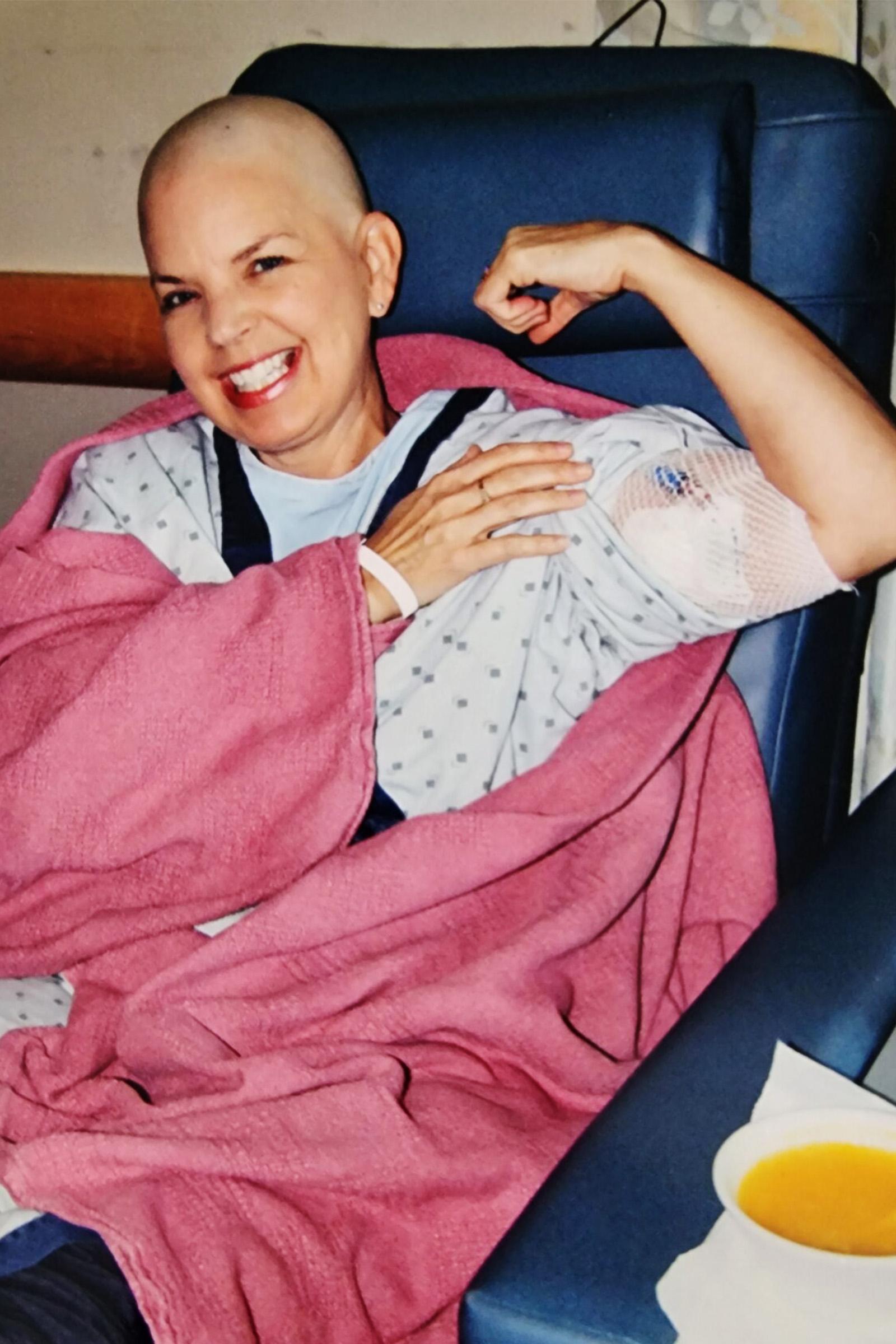
Her oncologist told her there was no other chemo she could receive; she had already been on the strongest protocol. She suggested that if there was anything Drew wanted to do, now was the time.
Around then, her father’s Knights of Columbus chapter happened to be raising funds to support Pandey’s dandelion root research. As a result, she began taking it—several teaspoons of powdered root to four cups of boiled, distilled water, multiple times a day. She also began taking immune-boosting supplements.
Just before Christmas, she received her new CT scan results. Her oncologist, upon seeing the scans, thought there had been a mix-up, and they were someone else’s. A combined team of eight checked the results multiple times. The scans were correct. The cancer was gone.
Fifteen years later, Drew remains cancer-free. She still drinks dandelion tea, only less often than when she was sick. “I have it in the raw root form, but I just take it as regular tea, like anybody would,” Drew said.
“How rare is it to hear that somebody who was terminal is still alive? And so I love to share that. I love to bring people hope,” she said.
The Difficult Road Ahead
Reddy sees an opportunity to strengthen oncology training by expanding education in integrative medicine.
“My view is that oncology training programs would benefit from greater exposure to evidence-based integrative oncology, equipping physicians to have informed, balanced conversations with patients,” Reddy said.
However, the approval process of complementary therapies isn’t easy. Despite strong preclinical evidence and documented recoveries, Pandey continues to encounter roadblocks in advancing DRE to clinical human trials.
Pandey is currently working with colleagues in the United States to secure funding for a supplementary trial.
He is candid about the setbacks. “It is not new to me. I have been struggling with it, and I have developed my tolerance to all these kinds of things,” he said.
He also knows what keeps him going: “For me, my Nobel laureate award is that person—like Mr. DiCarlo—feeling better. I don’t see any award matching that. ”