The frontiers of microbial health still hold significant, unexplored territory, yet insights about bacteria and their health effects are forging their way into new treatments for gut issues.
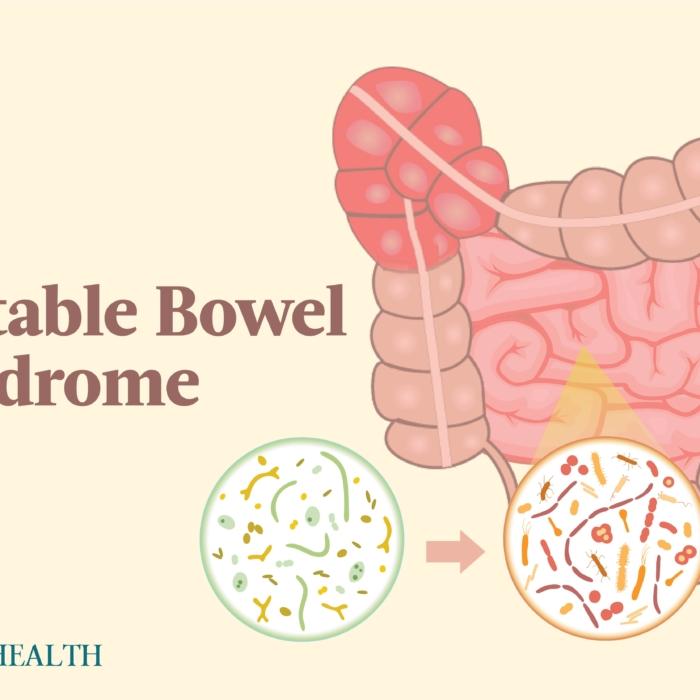
The randomized trial published last month in the American Journal of Gastroenterology showed the artificial intelligence (AI)-powered personalized diet compared favorably to the low-FODMAP diet for IBS management. The AI-generated diet also had the added benefit of creating more diversity in the gut microbiome—and diversity in bacteria has been associated with better health outcomes.
FODMAP is the acronym for fermentable oligosaccharides, disaccharides, monosaccharides, and polyols—small carbohydrates the body can’t digest without a robust microbial community. The diet was developed by Monash University, particularly for IBS and other digestive symptoms.
“It is a very strict elimination diet that only suppresses symptoms and does not address the root cause of the problem. Due to its nature, sustainable adherence to the diet is very hard and alerts risk for nutritional deficiencies,” said Yüsra Serdaroğlu, head of nutrition at Enbiosis Biotechnology, designers of the app, said in an email to The Epoch Times. “Professionals have already started to highlight even personalization of the low-FODMAP diet.”
- Eliminating all FODMAP foods for two to six weeks
- Introducing those foods back into the patient’s diet one at a time over eight to 12 weeks
- Adjusting the diet to include only those foods that don’t trigger symptoms
Designing an Ideal Diet
By comparison, the Enbiosis app aims to only remove foods from the diet that are identified as problematic for that person’s unique gut microbiome. It rates foods for each user based on a database that gives food microbiome modulation rankings. In other words, the food’s score is based on how well it increases specific good bacteria users are lacking.Low-ranked foods are to be avoided, and the diet calls for eating those foods rated from four to 10. Foods from eight to 10 are particularly needed for that user. There are 300 foods scored in the app, which also includes food plans and recipes.
The first thing the app does, however, is use each person’s microbiome composition, derived from a stool sample, to assess metabolism, immunity, food intolerances, damage to the gut microbiome, and their gut-brain axis, according to Özkan Ufuk Nalbantoğlu, who has a doctorate in engineering from the University of Nebraska-Lincoln and is chief technology officer of Enbiosis.
Improving Bacteria and Symptoms
The study included 70 patients following Enbiosis personalized diets and 51 following the low-FODMAP approach. In addition to testing the microbiome before and after the six-week intervention, the study also evaluated symptom severity, anxiety, depression, and quality of life. It broke down results into three types of IBS—described by stool type—as IBS-C for mostly constipation, IBS-D for mostly diarrhea, and IBS-M for mixed stool type.Only the IBS-C and IBS-D groups experienced a significant improvement in their microbiome health. There was no change in the low-FODMAP group.
- Positive microbiome shifts, including an increased level of Faecalibacterium prausnitzii (F. prausnitzii)
- 40 percent decrease in the severity of abdominal pain and distention
- 30 percent decrease in the frequency of abdominal pain, irregular bowel habits, and life interference
- Enhanced quality of life
- Reduced anxiety and depression scores
AI Apps Growing in Popularity
Enbiosis isn’t the first to design an app to help alleviate gut symptoms and/or improve health outcomes.Only 25 of 58 participants recruited completed the study in which they were randomly assigned to receive either educational materials about the diet or the materials along with access to the app.
Participants recorded experiences before and after the study to determine their knowledge of the diet and adherence to it, as well as quality of life and symptom improvement. There was a small improvement in symptom severity among app users, as well as better satisfaction with bowel habits.
Another popular app called ZOE incorporates stool and other testing with food recommendations that are best suited to how users’ blood fat and blood sugar levels respond to food.
Are Apps for Everyone?
Nicola Moore, a nutritionist who specializes in cognitive reframing, noted on her website that apps like ZOE that include strict food logging and restrictions could be damaging, especially for anyone who’s struggled with dieting.“If you come from a background of yo-yo dieting, restriction, a challenging relationship with food, or health anxiety, my fear with ZOE is that it could become something that causes a degree of stress and unhelpful preoccupation with food, along with feelings of shame and guilt if you’re not able to ‘do it properly,’” she wrote. “It encourages a microscope style approach to eating that may very well zap the joy out of food (and possibly life).”
There’s another reason to be concerned about the restrictive element of diets, including those in apps, according to Dr. William Davis, cardiologist, best-selling author, and founder of Infinite Health.
“All they’ve done is gone a step beyond the ... FODMAPS concept to refine it a little bit,” he told The Epoch Times. “In their defense, they did show some beneficial effects in the microbiome changes.”
Dr. Davis pointed out that the technology could contribute to normalizing food intolerances, which he sees people wearing as a “badge of honor” as their diets become even more prohibitive even while symptoms expand.

“As a restrictive diet, the low-FODMAP diet carries risks of nutritional inadequacy and of fostering disordered eating, which has received little attention. Strict FODMAP restriction induces a potentially unfavorable gut microbiota, although the impact of this consequence upon health is unknown,” the article stated.
SIBO Complicates IBS
Studies indicate that many people suffering from IBS also have SIBO—somewhere between 4 percent and 78 percent, depending on the study. A 2023 article in the Journal of Gastroenterology and Hepatology found the overlap in 36.8 percent of IBS cases.Dr. Davis is among those who support adding keystone species back into the gut microbiome that can modulate the community and get rid of “bad” bugs more naturally. He is particularly concerned about the overuse of data from stool tests, and he’s not the only one.
While many labs tout the benefits of gut microbiome testing, Dr. Arvind Reddy, a gastroenterologist at Houston Methodist Hospital, noted that the clinical role is debatable. The U.S. Food and Drug Administration hasn’t approved the tests, and there’s no solid evidence for how they might assess overall gut health, he said.
Mr. Nalbantoğlu from Enbiosis said while the app does not address SIBO symptoms, the company’s data shows that it can be identified by a specific imbalance in stool microbiome tests. He did note that more clinical trials are needed to know “whether gut microbiome modulation can serve as treatment for SIBO.”