





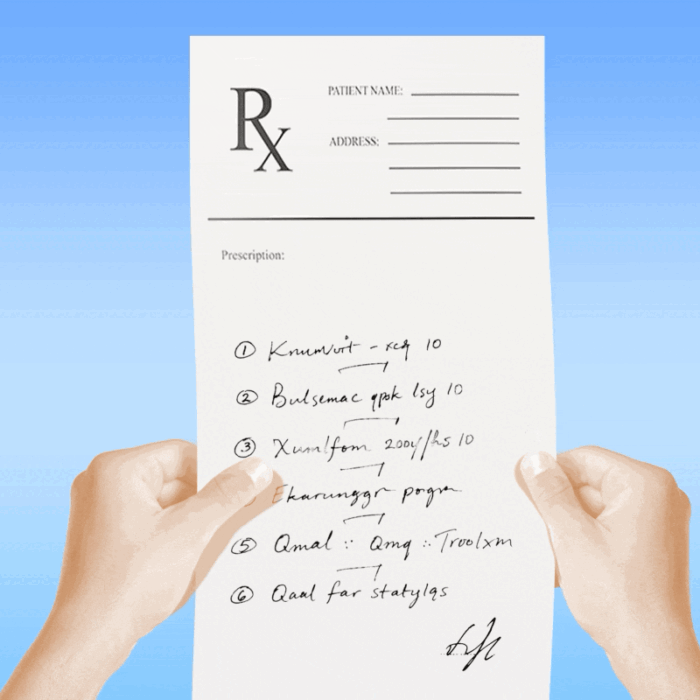
Most prescriptions begin the same way. A patient describes a symptom. A doctor identifies a likely cause. Within minutes, a medication is prescribed—and often before the patient has had a chance to think it through.
Sometimes, a prescription is exactly what’s needed: antibiotics for a serious infection, insulin for dangerously high blood sugar.
However, many common problems, such as high blood pressure, reflux, insomnia, and anxiety, often respond to changes in daily habits. Improving sleep, diet, activity, or stress can take weeks or months. Prescribing takes minutes. So treatment often starts with a pill.
Many patients simply nod, assuming the decision is already made and that someone is tracking how a new drug fits with everything else they take. Often, no one is. Patients may see multiple doctors, use different pharmacies, and take supplements that never appear in a shared record.
Patients also hesitate to question a recommendation once it is offered, said Stacey D’Angelo, a pharmacist and deprescribing consultant in Ontario. A “don’t rock the boat” mindset, she told The Epoch Times, can keep patients from asking about alternatives or when to reassess a drug.

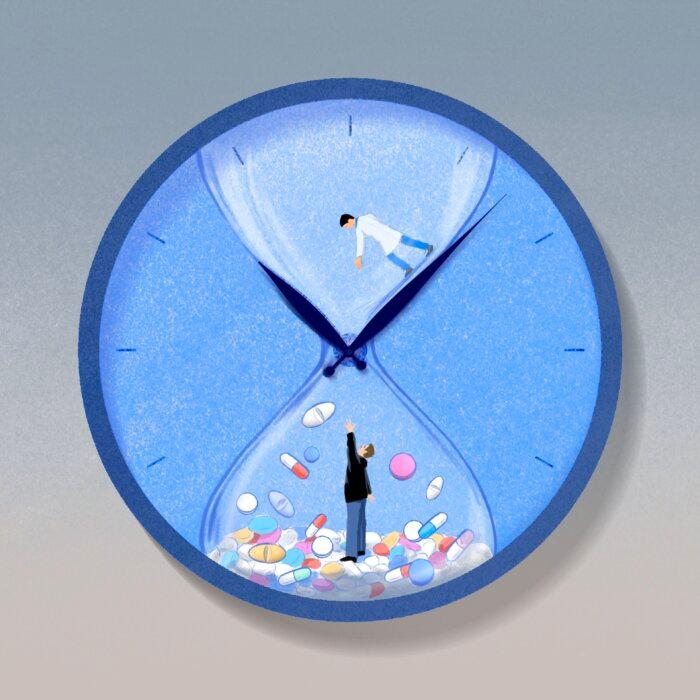

5 Questions to Ask Before Starting a Medication
Before getting into specifics, some clinicians suggest stepping back.Dr. George Hennawi poses this question: “What matters most to you right now?”
Hennawi is a geriatrician and director of the Center for Successful Aging at MedStar Good Samaritan Hospital in Baltimore.
For some patients, the answer might be to relieve symptoms that affect daily life, such as pain or poor sleep. For others, it may be reducing the risk of a future problem, even if they feel well today. Those priorities shape everything that follows.
Patients should understand what each medication is meant to accomplish and how that benefit fits their goals, Dr. Nancy Schoenborn, a geriatrician at Johns Hopkins University School of Medicine, told The Epoch Times.
What Is This Medication Meant to Do?
Ask exactly what the drug is meant to do. Is it to ease a symptom such as heartburn or anxiety? To lower a measurable number, such as blood pressure or cholesterol? Or to prevent complications years down the road?Understanding the goal helps you decide whether the medication fits your priorities and whether the issue might be addressed by simplifying what you’re already taking.
What Benefit Should I Expect–and How Soon?
Some drugs bring noticeable relief in days. Others work silently in the background for years to reduce risks such as heart attack or stroke.What Side Effects Should I Watch For?
Many side effects resemble everyday symptoms: fatigue, dizziness, nausea, confusion, and sleep changes.“When new symptoms arise, medications should always be considered as a possible cause,” Dr. Nimit Agarwal, a geriatrician at the University of Arizona, told The Epoch Times in an email.
Overlooking that new symptoms may be medication side effects can lead to a prescribing cascade, in which one drug is added to treat the side effects of another.
Are There Non-Drug Options We Should Try First–or at the Same Time?
Many common conditions are influenced by daily habits such as sleep, diet, physical activity, and stress management.Depending on the issue, evidence-based non-drug options may include physical therapy, behavioral strategies, and treatments such as acupuncture or chiropractic care, Schoenborn said.
Patients can ask whether options exist beyond medication to clarify whether a drug should be the first step or one part of a broader plan.
When Should We Revisit the Decision?
Many medications start with a clear purpose but continue simply because no one ever circles back.Set a timeline. That might mean a follow-up in a few weeks, a dose adjustment in a few months, or a plan to stop if the drug is no longer needed.
When Lifestyle May Be Part of the Treatment
Drugs can ease symptoms quickly, but they do not always fix what caused them. Once the discomfort fades, it is tempting to think the problem is solved—even when the causes behind it linger.The result, D’Angelo said, is that medications are often started before simpler approaches are fully explored.
She recalled a woman who had taken a sleeping pill for more than 20 years and had tried several times to stop—but couldn’t sleep without it. Basic sleep-hygiene strategies had never been discussed.
Most sleep medications are intended for short-term use and can carry risks over time, including dependence, next-day drowsiness, falls, and memory problems, especially with age, but no one had ever revisited whether she still needed it.
Working with D’Angelo, she learned simple sleep strategies and gradually reduced the dose. For the first time in decades, she was able to sleep through the night without medication.
In some cases, doctors and patients may agree to try adjustments—such as improving sleep habits or diet—for several weeks before starting a drug. In others, medication and lifestyle changes work best together. The point isn’t to avoid medication; it’s to make sure the conversation happens.










Tools That Can Help You Get a Safer Prescription
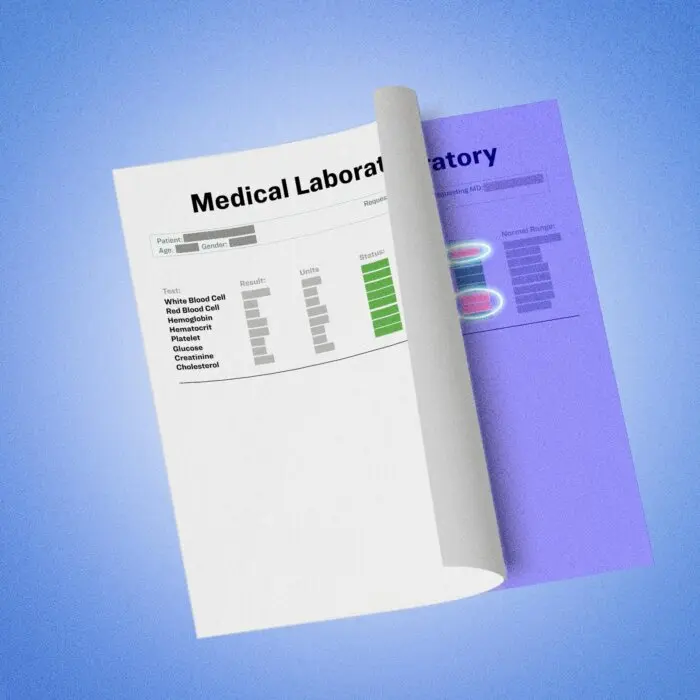
Doctors and pharmacists have tools to flag higher-risk medications. Knowing about them can help you ask more informed questions.“The Beers Criteria is like a stop sign,” Beizer, who has served on the expert panel that develops the guidelines, said. “It tells clinicians to pause and think.”
Patients can ask whether a newly prescribed medication is on the list and whether safer alternatives are available.
Other tools aim to tailor treatment more precisely. Pharmacogenetic testing analyzes how your body processes certain medications. Some people metabolize drugs slowly, increasing the risk of side effects. Others process them so quickly that the medication may not work.
Pharmacogenetic testing can sometimes help narrow options, D’Angelo said, particularly for mental health medications; patients may otherwise cycle through several drugs before finding one that works.
“It’s not necessarily a silver bullet,” she said, “but it can narrow down the choices.”
If Medication Is Necessary
Even when a medication is clearly the right choice, careful prescribing still matters. Clinicians often begin with the lowest effective dose and increase gradually, a strategy that can reduce side effects and clarify how a drug is working.“Start low and go slow,” Hennawi said.
The approach is particularly important for older adults, whose bodies may process medications differently.
Patients play a key role by noticing changes after starting a new drug. Shifts in sleep, energy, appetite, balance, or mood can indicate whether it’s helping or causing trouble. Some doctors suggest keeping a simple symptom log during the weeks to months following a new drug. The notes make follow-up appointments far more productive and help decide whether to tweak the dose or switch approaches.
An up-to-date medication list is another safeguard.
“Always maintain an updated medication list in some accessible form,” Agarwal said.
Include everything: prescriptions, over-the-counter drugs, vitamins, and supplements, all of which can interact with one another or cause additional side effects. Many pharmacists suggest “brown bagging”—bringing every bottle to an appointment so the full list can be reviewed together.
The pharmacist filling the prescription is also a valuable ally.
“Don’t miss that opportunity to talk to them,” Beizer said.
In today’s fast-paced world, prescriptions can be written in seconds, but that very moment—when a drug is first suggested—is the perfect opportunity to pause and ask, “Is this the right choice for me?”
The questions don’t have to be confrontational—they just have to be asked. Sometimes the answer will be yes. When it is, let it be an informed yes.