Isaac’s energy level, enthusiasm, and talkativeness were too much—at least for a traditional classroom.
He had been diagnosed with attention-deficit/hyperactivity disorder (ADHD); one psychologist explained that he had a high IQ but low maturity.
It wasn’t until Heather Rodden began homeschooling him in fifth grade that she realized what years of frustrated teachers couldn’t put their fingers on: What looked like a liability in one setting could flourish in another.
Like Rodden, other parents, researchers, and professionals are moving away from treating ADHD purely as a disorder that one in 10 kids have.
The word “deficit” in ADHD, they argue, obscures strengths—such as creativity, hyperfocus, and cognitive flexibility—that often accompany the condition.
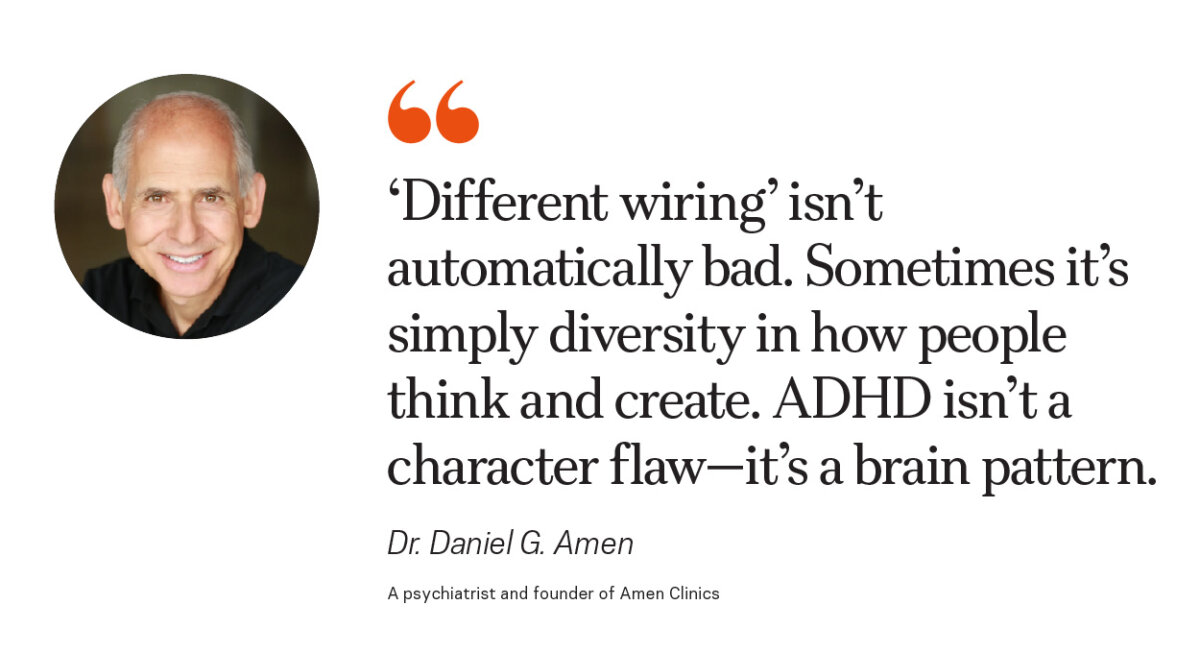
“‘Different wiring’ isn’t automatically bad,” Dr. Daniel G. Amen—a psychiatrist and founder of Amen Clinics, brain-body clinics that use imaging instead of checklists for mental health issues—told The Epoch Times in an email. “Sometimes it’s simply diversity in how people think and create. ADHD isn’t a character flaw—it’s a brain pattern.”
An ADHD Brain
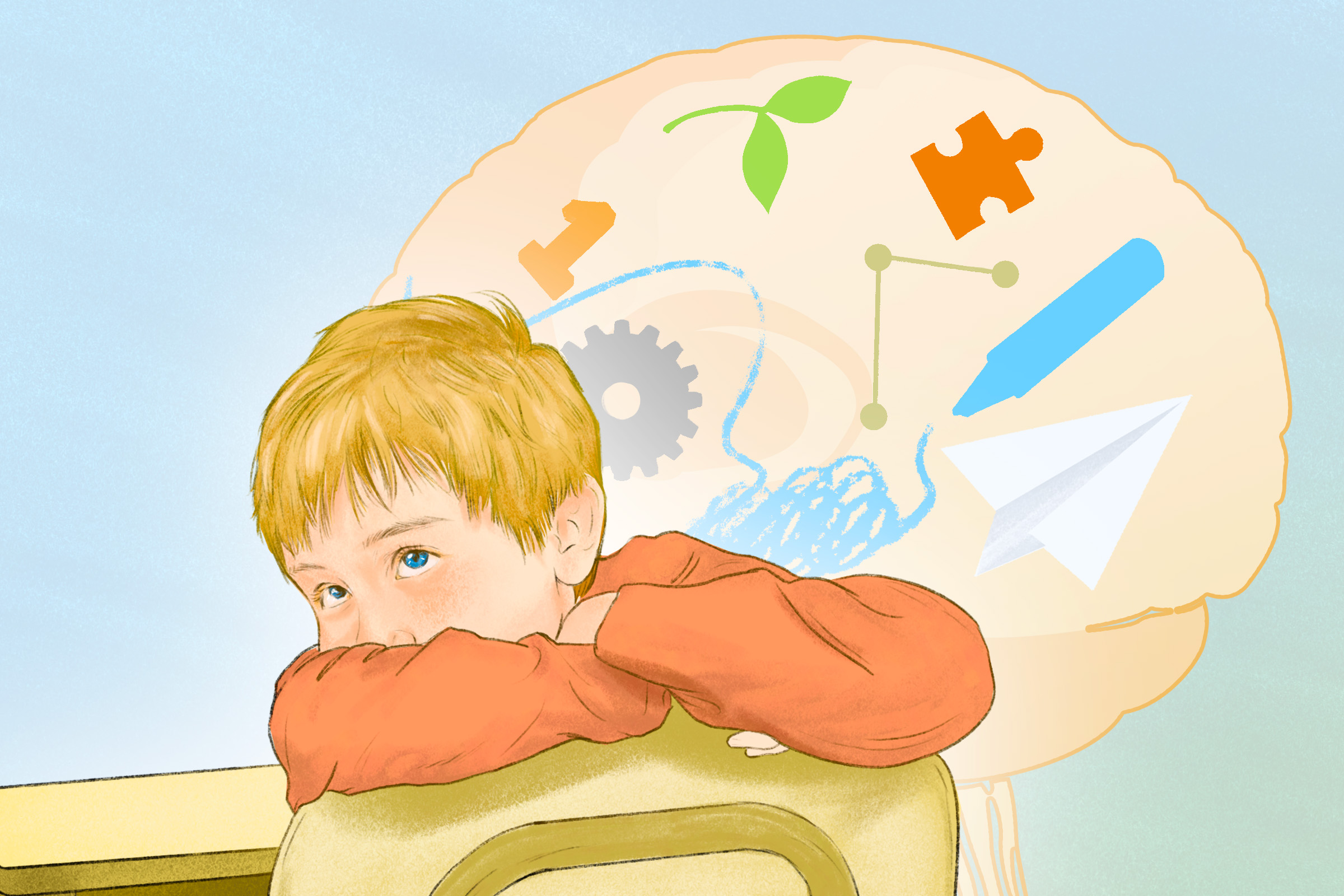
One frustration for people with ADHD is that it’s rarely lack of knowledge that holds them back. It is the fact that their brains don’t consistently concentrate.Focus requires a coordinated effort between the brain’s frontal control system, which helps you stay organized and resist distractions; the basal ganglia, which regulates motivation by using the reward chemical dopamine; and the cerebellum, which coordinates timing and attention. In ADHD brains, that coordination is inconsistent—not absent—but unreliable under demand.
“That helps explain inconsistent performance,” Amen said. “It’s called a disorder because it can disrupt performance at school, work, and home.”
Although most research focuses on the deficits of ADHD, some studies suggest that many who have symptoms also have specific strengths.



Hyperfocus is becoming absorbed in a task, sometimes to the point of losing track of time and surroundings—called flow in someone who doesn’t have ADHD, Claire Sira, a neuropsychologist who specializes in coaching adults with ADHD, told The Epoch Times.
Traits such as impulsivity and hyperactivity can become strengths, rather than liabilities, by focusing on neuroplasticity—the brain’s ability to form new neural connections possibly even after injury and later in life, according to Amen. Meditation, breathing exercises, physical activity, and learning new skills are all associated with improved neuroplasticity.
A Classroom Problem
However, life’s demands may partially explain the prevalence of ADHD, which some argue may be more of an environmental problem than a brain disorder.
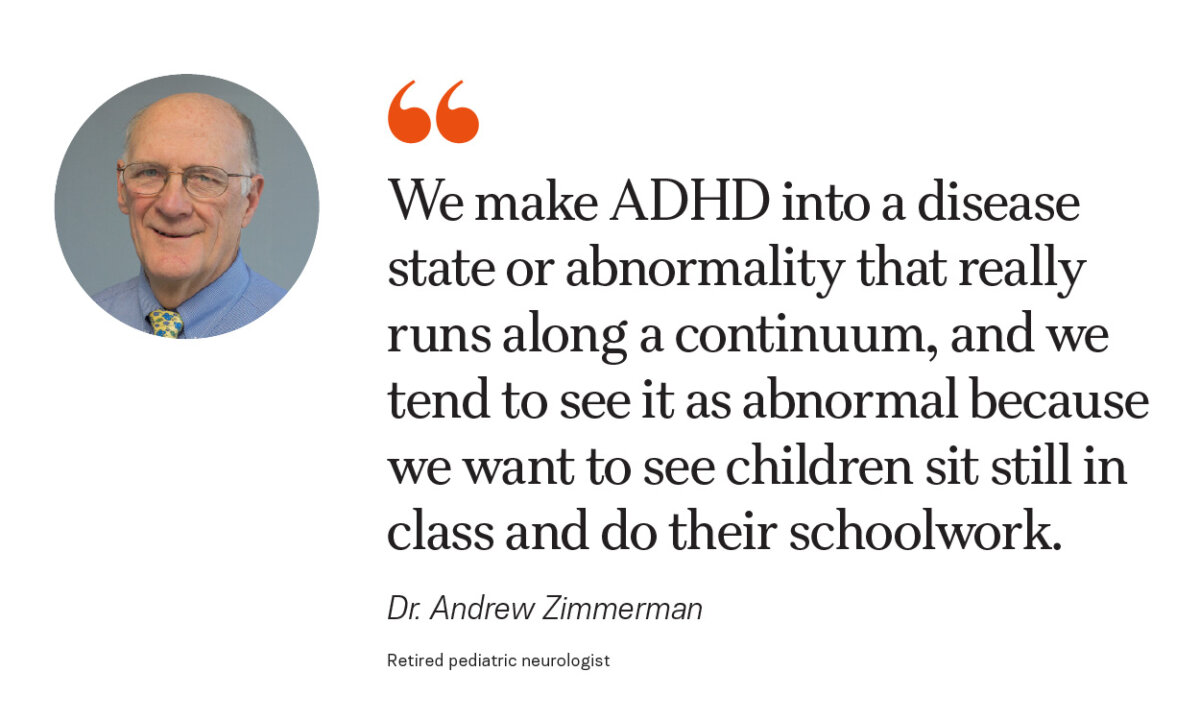
“My feeling has been for a long time that we make ADHD into a disease state or abnormality that really runs along a continuum in different directions,” retired pediatric neurologist Dr. Andrew Zimmerman told The Epoch Times.
“And we tend to see it as abnormal because we want to see children sit still in class and do their schoolwork.”
Adjusting schools and workplaces will not only lift the stigma and shame of ADHD, but also benefit everyone by making space for the skills and talents those with ADHD bring, according to psychiatrist and researcher Annie Swanepoel.
Everyone would likely benefit from school and workplace adjustments aimed at improving focus, Sira said. Yet there’s no one-size-fits-all solution, according to her.
For some, working in an open, busy office environment can offer accountability and motivation. For others, the visual distractions and noise can make work too challenging. They may need to work from home or behind an office door, according to Sira.
“It would be way better if we could match the environment to the person,” she said.
Zimmerman noted that children suspected of having ADHD deserve a thorough evaluation, because in some cases, inattention and hyperactivity have underlying causes such as fetal alcohol syndrome, fragile X syndrome, and premature birth that are not always identified in schools.
However, in most cases, he said, ADHD is overdiagnosed and overtreated, when the real solution could be a different style of schooling altogether.
Are We Overdiagnosing?
In less than two decades, the prevalence of ADHD diagnoses among children increased from 6.1 percent to 10.2 percent. Today, it’s 11.4 percent of children aged 3 to 17. Adult ADHD diagnoses—although they represent about 1 percent of the population—nearly doubled from 2007 to 2016.Zimmerman has reviewed studies recently that show overlap of symptoms between clearly defined ADHD patients and typical children. He said even children with typical brain patterns have been shown to have improved focus and less hyperactivity on medication.
Such overlap blurs the line of certainty when it comes to who has ADHD and who doesn’t, according to him.
“It’s a question of: Are we unfairly treating the kids?“ he said. ”Are we penalizing them, in a sense, by making them take medication? It makes the kids look better, but it doesn’t necessarily make them perform better or certainly not feel better.”
One reason for the uptick in ADHD, Sira said, is simply the expansive demands on attention in the modern world, including screen usage, larger classrooms, and physical and emotional distractions that make it harder to stay focused.
The key is to teach the brain to shift into focus mode when needed, according to Amen.
“The problem comes when the focus-and-follow-through network—especially the prefrontal cortex and its partners—doesn’t reliably come online when it’s needed,” he said.
The brain can be supported with a healthy diet, good sleep, and regular exercise, according to Sira.
“If you wanted to actively build your ability to regulate your own attention, meditation practices do this because that’s literally what meditation is—learning to recognize when your attention has wandered and bring it back—whatever is happening with sensory awareness and mindful movement,” she said.
Finding the Right Fit
In some cases, those with ADHD learn to adapt to the way their brains work, Zimmerman said. Other times, they modify the environment to maximize the way their brains work.In Isaac’s situation, the right environment didn’t change who he was; it gave him room to thrive as himself. He is a senior this year, and although he’s not interested in college, he’s been mowing lawns since he was 14 and now also has a job with the family business. He works on vehicle upholstery, remote starts, and audio systems. He’d like to land a job working with his hands when he graduates—and by most measures, he’s already well on his way.

Rodden credits Isaac’s flexible schedule—rather than a rigid, time-blocked one—with teaching him something many of his peers won’t learn until much later, if at all: how to manage himself.
“I realized that ADHD wasn’t the bad thing everybody made it sound like,” Rodden said. “I told him, ‘This is a gift God gave you, and this gift is going to come in handy.’”